
THE APEX TIMES
Texas coach uses Arch Manning “name on the jersey” lesson after Red River Rivalry loss
An early-season setback to Oklahoma put the spotlight back on quarterback Arch Manning, and on how Texas handles expectations for a franchise quarterback under the bright lights of the Red River Rivalry.
Texas football began the new season with a familiar kind of scrutiny, then absorbed a sharp reminder of how quickly games can turn. In the Red River Rivalry against Oklahoma, the Longhorns fell in part late, when quarterback Arch Manning was involved in the two decisive interceptions that helped swing the final stretch in favor of the Sooners.
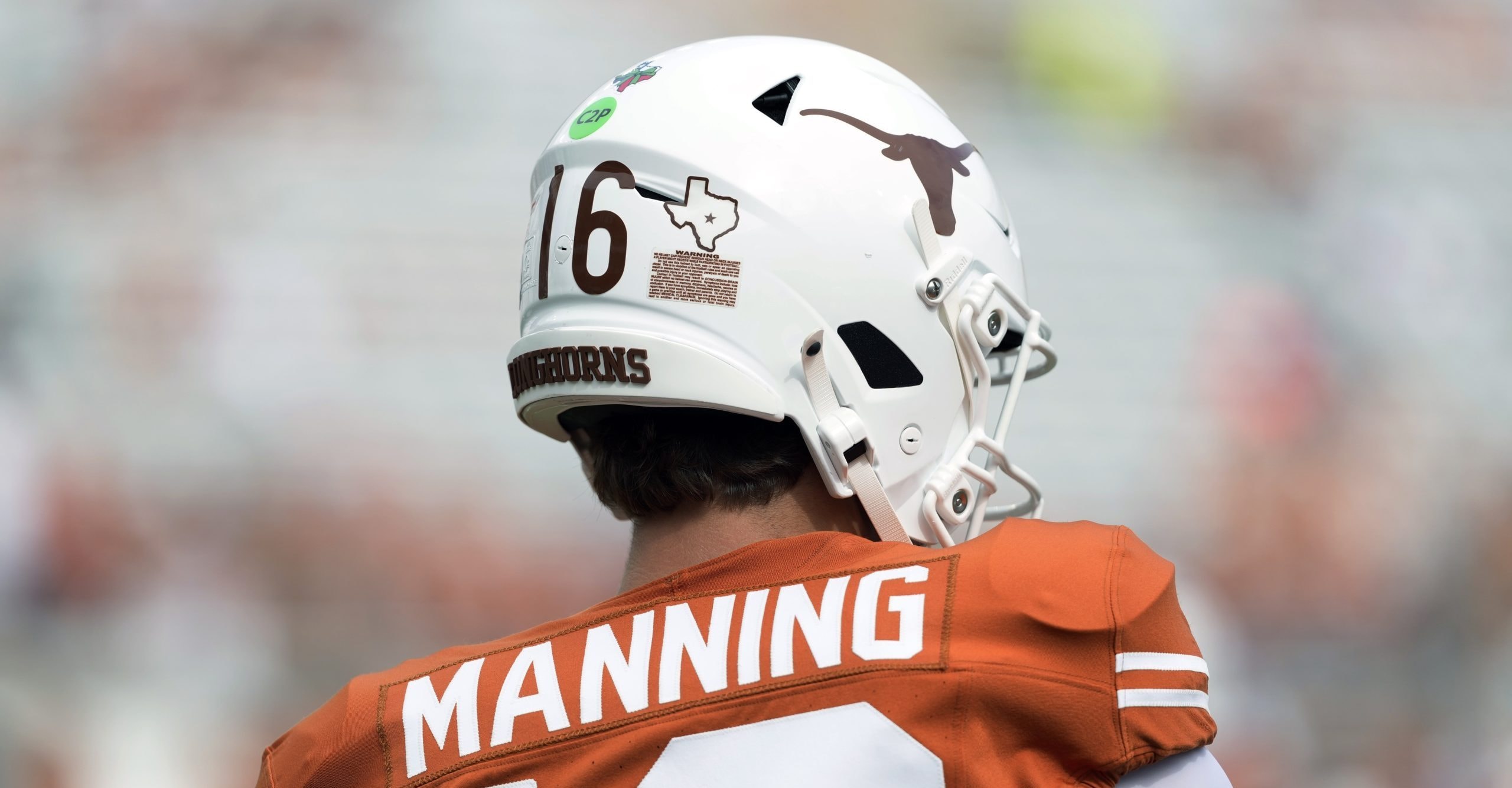
The moment fed into an ongoing debate about how much of a young quarterback’s experience is shaped by the jersey itself. In the days after the loss, Texas coach discussed what it would look like, from a psychological and football perspective, “if you took the name off the back of his jersey,” according to coverage that focused on the idea that Arch Manning’s handling of pressure should be evaluated on performance, not lineage alone.
Arch Manning’s background has made him a natural lightning rod. He is widely recognized as the nephew of NFL legends Peyton and Eli Manning, and that family connection has followed him into college football discourse. While that context is unavoidable, the Texas coach’s broader point, as described in the aftermath reporting, was that the attention cannot change the on-field fundamentals, decision-making, or execution required from any quarterback.
Oklahoma, meanwhile, provided the kind of late-game swing that often defines rivalry football. The account of the loss emphasized that two crucial interceptions occurred late, and that those turnovers were central to Texas’ inability to close the gap or change the outcome once the game tightened. For Texas, those plays are the kind of corrective moment that can shape how the offense practices after a season opener.
Analyst Paul Finebaum also entered the conversation after the defeat. In the same coverage stream, Finebaum was referenced for having previously crowned Manning as a significant quarterback figure, underscoring how fast national narratives can build around a player and then collide with the realities of a single college football game.
What to watch next is how Texas responds on the field after a rivalry loss where the quarterback is directly tied to late-game turnovers. The question is not only whether Arch Manning’s decision-making improves, but also whether Texas’ offensive process, protection, and play-calling adjustments reduce the kinds of mistakes that can negate good preparation.
For fans, the takeaway is that the storyline will not disappear. The jersey will still carry a name that draws attention, but Texas now has to connect the off-field discussion back to reliable execution, especially in the closing minutes of games that, like the Red River Rivalry, can turn on a few possessions.
Why It Matters
- Red River Rivalry results are more than a single loss, they often reshape a team’s national perception early in the year.
- For a quarterback under intense attention, the difference between handling pressure and compounding it shows up quickly in high-leverage possessions.
- Turnovers late in games can force immediate changes to how an offense manages risk and protects the ball.
- The coach’s “name on the jersey” framing highlights the ongoing challenge of separating performance evaluation from external expectations.
- How Texas responds in the weeks after this opener will indicate whether the program can convert a painful rivalry lesson into steady quarterback play.
Sources
Key Facts
- Texas lost its first game of the season to Oklahoma in the Red River Rivalry.
- The loss was described as hinging on two crucial late-game interceptions involving Texas quarterback Arch Manning.
- After the game, a Texas coach discussed the idea of how Arch Manning would be viewed “if you took the name off the back of his jersey.”
- Arch Manning is identified in the coverage as the nephew of NFL legends Peyton and Eli Manning.
- ESPN analyst Paul Finebaum was referenced in the aftermath discussion, including his prior public assessment of Manning’s status.