
THE APEX TIMES
Texas defense grades out as elite, but the turnover problem has become the question under Will Muschamp
Through five games, the Texas Longhorns have produced strong underlying defensive results. The missing piece, according to recent analysis, is forcing turnovers consistently enough to swing momentum late in games.
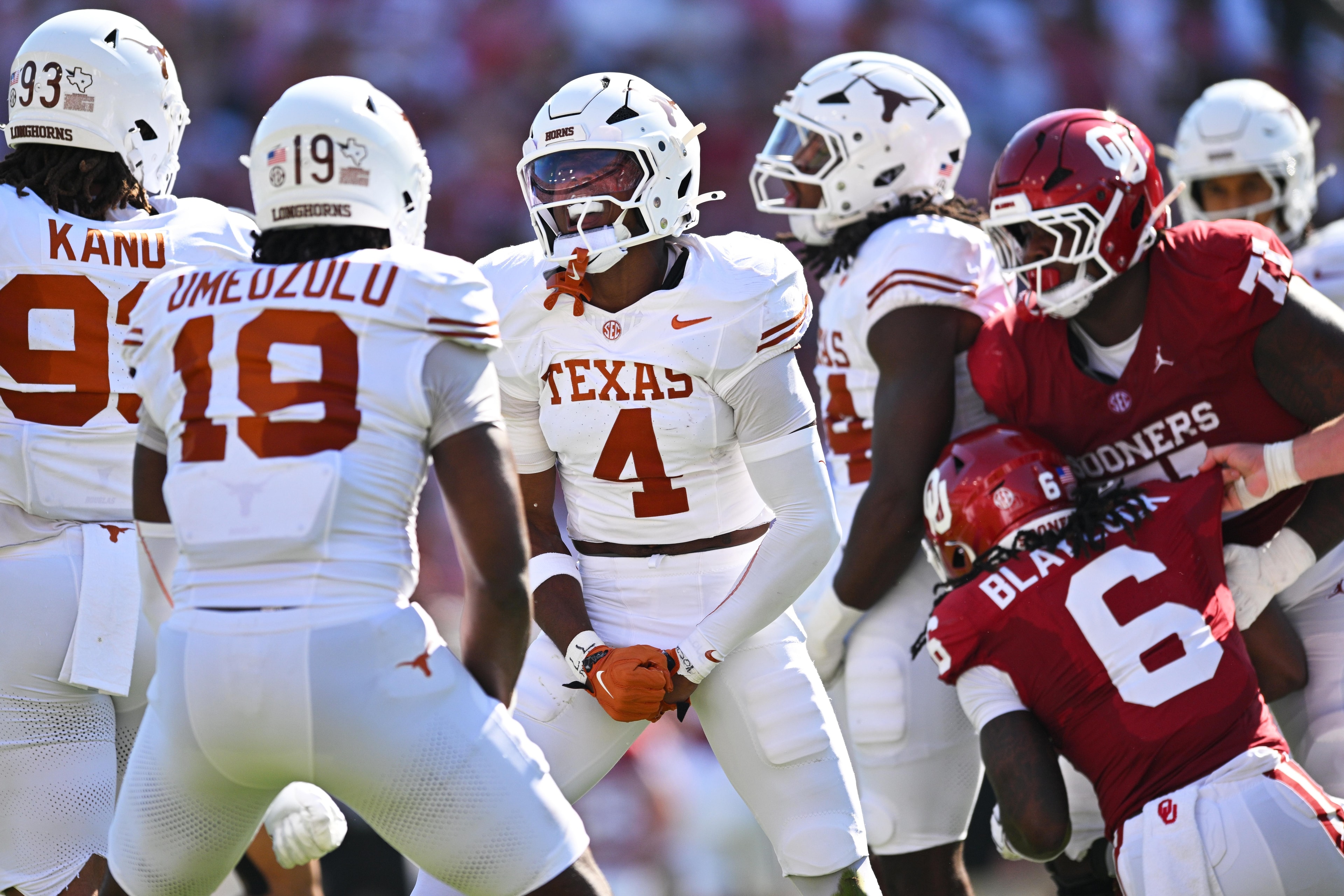
Texas has looked like one of the more complete defensive units in college football this season, even through an adjustment period under first-year defensive coordinator Will Muschamp. But the most persistent critique is straightforward, the Longhorns have not been creating turnovers at the same rate that their other defensive strengths suggest they should.
In the last two games, Texas has not forced a turnover on defense, a drought that matters because turnovers change game scripts, turning defensive stops into possession swings. In a sport where small efficiency gaps can be the difference between a close win and a late loss, the inability to convert pressure into takeaways becomes more than a stat line.
The larger performance picture is still strong. Through five games, Texas has ranked second in defensive SP+, an advanced measure that attempts to summarize defensive efficiency. The Longhorns are also tied for second in red-zone touchdown rate at 33.3 percent, indicating they are limiting opponents even when drives reach the most dangerous territory.
Scoring defense has also been a stable anchor. Texas is listed at 21st in scoring defense, holding opponents to 16 points per game, a mark that reflects consistent resistance rather than isolated, big-play-only stretches. On paper, it is the type of baseline that typically supports top-tier teams, the defense is preventing points and denying the easiest scoring chances.
The concern is not that Texas is failing to stop opponents. It is that the unit has not been consistently ending drives with takeaways, forcing opponents into extra plays, or giving the offense short fields. Turnovers tend to be the bridge between “good defense” and “defense that wins championships,” because they reduce the margin of error when offenses are still capable of long drives.
Muschamp’s first season as coordinator is still in progress, and defensive systems often evolve as players settle into roles and as lineups get refined. If Texas can translate the pressure and red-zone results into more frequent forced turnovers, it would align the unit’s profile with the kind of defensive identity that usually carries a team deeper into the postseason.
What to watch next is whether Texas can break the turnover drought without sacrificing its run prevention and red-zone structure. If takeaways begin to rise, the Longhorns’ already strong defensive metrics could become more decisive, turning stops into possessions and giving the team a clearer path through late-season matchups where every extra edge matters.
Why It Matters
- Turnovers can swing close games by changing possession leverage, not just preventing points.
- An elite red-zone defense paired with low takeaway production can report a ceiling until forced turnovers improve.
- For a team building toward postseason contention, the difference between efficient defense and championship-level defense often shows up in takeaways.
- As Muschamp’s system continues to take shape, translating pressure into turnovers will be a key indicator of the defense’s maturity.
Key Facts
- Texas has not forced a defensive turnover in its last two games, according to recent reporting.
- Through five games, Texas ranks second in defensive SP+.
- Texas is tied for second in red-zone touchdown rate at 33.3 percent.
- Texas is listed at 21st in scoring defense, allowing 16 points per game.
- The defensive performance is occurring under first-year coordinator Will Muschamp.