
THE APEX TIMES
Texas Tech’s handling of quarterback Brendan Sorsby’s gambling fallout is now the defining offseason question
A decision intended to stabilize a quarterback situation has instead raised broader concerns about how the NCAA’s gambling rules are enforced and how programs respond once a problem is known.
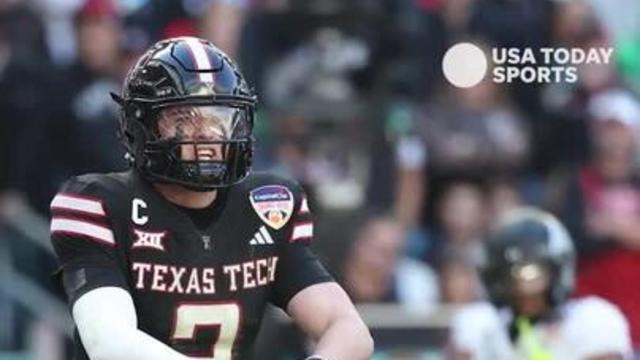
Texas Tech football has entered the offseason with an unusual kind of disruption, one that is less about play-calling and more about governance. In reporting that followed a controversial quarterback-related NCAA eligibility matter involving Brendan Sorsby, critics argue the program crossed a line in how it responded to gambling concerns and how it attempted to restore competitive availability after learning more about the situation.
The CBS-or-bushel version of the story is complicated, but the core issue is straightforward. According to USA Today’s report, Sorsby’s gambling problems were not just theoretical, and the decision-making around his eligibility and reinstatement became a flashpoint weeks after the initial ruling. The controversy, as framed by USA Today, is not only that gambling violated NCAA rules, but that Texas Tech’s approach made the response look conditional rather than decisive.
At the heart of the matter is the way NCAA athletes are expected to follow sports wagering restrictions. College players sign affidavits each year attesting they have not bet on sports, and the program’s compliance obligations do not end with an affidavit signature. When a coaching staff or athletics department learns that a player has been placing wagers, the next step becomes a test of institutional credibility: whether the program acts in a way that aligns with the NCAA’s stated intent, rather than simply trying to manage the immediate competitive impact.
Texas Tech’s broader football identity has often been described as a program built for the everyman, anchored by West Texas practicality and a booster base that has, at times, enabled bold moves. But the same reports that revisit the school’s rise and fall stress that money and ambition do not erase the reputational costs of rule violations. When the issue involves sports gambling, the NCAA is not just protecting competitive integrity in theory. It is trying to prevent college athletics from becoming an extension of wagering markets.
There are also competitive ripple effects. The quarterback position is the strategic center of a college offense, and eligibility decisions change recruiting plans, development timelines, and the transfer-portal math that teams use to patch holes quickly. While the public debate can obscure the football specifics, a prolonged eligibility controversy can freeze decision-making, and it can also harden resistance among other programs and conferences that do not want to be associated with perceived enforcement gaps.
For Texas Tech, the next steps are likely to be less about rhetoric and more about process. Compliance transparency, the internal review of how the school learned what it learned and when, and the NCAA’s view of whether the reinstatement pathway was handled appropriately will determine how much damage lingers. If the NCAA’s stance is that the program’s actions were consistent with its rules, the argument may narrow to whether Sorsby’s situation was properly evaluated and documented.
The offseason focus will still land on football. But for Texas Tech, the recruiting pitch and the team-building narrative now include a governance chapter. Fans may want clarity on what the school and the NCAA are requiring moving forward, and opponents will watch for whether Texas Tech’s next quarterback plan is built with a compliance framework that eliminates future ambiguity, not just future headlines.
Why It Matters
- NCAA gambling enforcement is one of the few areas where reputational and competitive stakes can escalate quickly, making compliance failures a long-term brand issue for a program.
- Eligibility decisions at quarterback can reshape recruiting and roster planning, especially in conferences where offseason roster churn is routine.
- If the NCAA or other stakeholders view enforcement differently, it could influence how other programs perceive Texas Tech and how cautious they become about perceived rule-adjacent behavior.
- The controversy may become a reference point for how the “in between” time is handled after new information is learned about betting-related conduct.
- Programs across college football will watch Texas Tech’s compliance posture as a potential template or cautionary example.
Key Facts
- Texas Tech’s offseason has been overshadowed by a controversy tied to quarterback Brendan Sorsby’s involvement with sports wagering, according to coverage summarized by Yahoo Sports and USA Today.
- USA Today reports that the dispute centered on how Texas Tech responded after learning more about Sorsby’s habitual gambling issues and how it handled an eligibility and reinstatement process.
- USA Today also describes that Sorsby had been placing wagers beginning in the 2022 season while at Indiana and continued through later collegiate stops.
- The controversy frames Texas Tech’s actions as crossing a “line” in NCAA rules enforcement and response, not only as a personal rules violation by a student-athlete.
- The case matters to team-building because quarterback availability decisions affect recruiting, roster planning, and transfer-portal strategy.