
THE APEX TIMES
Three Questions on Defense: How the Buccaneers’ Pass Rush and Secondary Depth Shape the 2026 Outlook
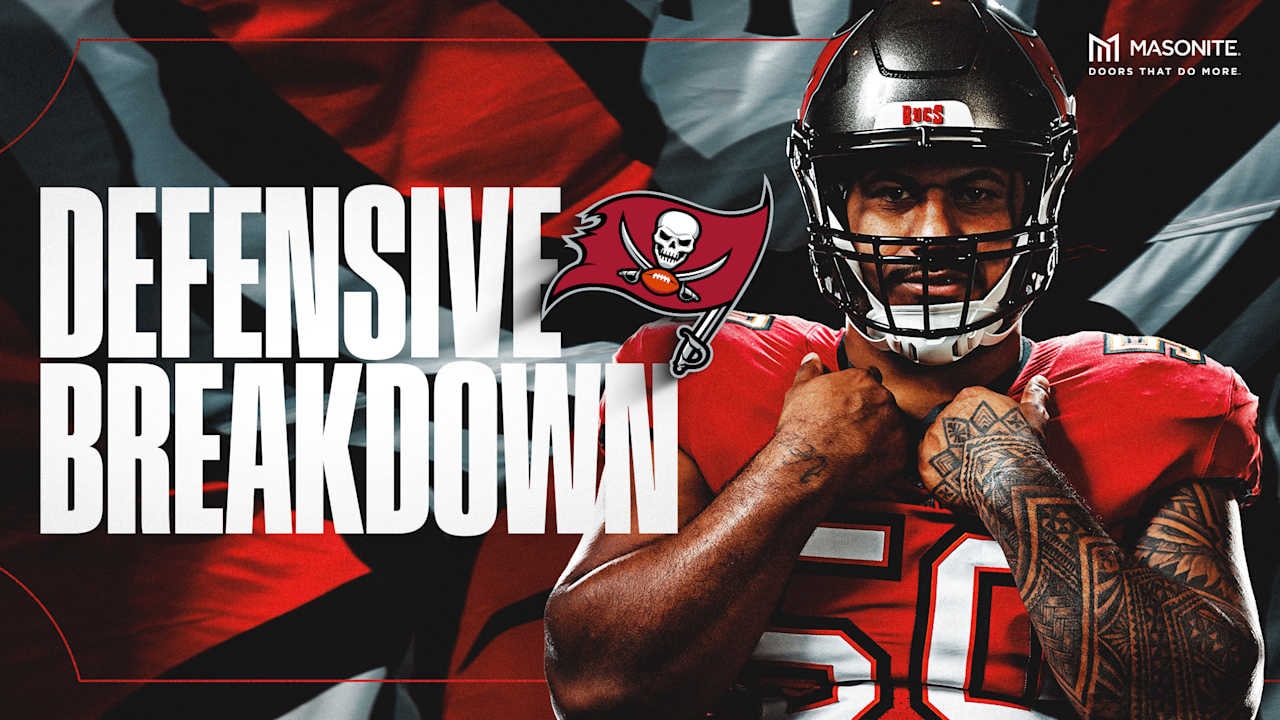
As the Tampa Bay Buccaneers set their 53-man roster for the start of the 2026 season, the team’s defensive performance hinges on two lingering issues: whether the pass rush has taken a meaningful step forward and whether the secondary has enough depth to withstand NFL game-to-game volatility.
The Buccaneers have their roster in place for the start of the 2026 season, but the defensive questions remain familiar. In an official team preview, Tampa Bay framed its outlook around two core areas that can swing outcomes quickly in the NFL: how much progress the pass rush has made and whether the secondary has sufficient depth behind its top options.
Those questions matter because a defense rarely lives in one lane. Against NFL offenses, Tampa Bay’s ability to generate pressure influences every downstream matchup, from third-down conversion rates to how much coverage time cornerbacks and safeties can afford. Without consistent pass rush, even well-schemed coverage often gets stretched thin. With consistent pressure, the back end can play with more structure, more aggressiveness, and fewer emergency adjustments.
The other half of the equation is the secondary’s depth. Depth is not just about having extra bodies on the roster, it is about maintaining communication, assignment discipline, and coverage quality when games demand rotation. An NFL season includes adjustments for injuries, matchup-specific game plans, and sometimes in-game tactical changes that require the defense to keep executing at a high level even when personnel shifts.
Tampa Bay’s team preview treated these issues as the key checkpoints for a defense that must be ready from Week 1. The phrasing of the questions also reflects an important roster-building reality. Teams often can address talent and scheme on paper, but the coaching staff still needs to see whether improvements translate into sustained effectiveness once opponents game-plan with full clarity.
To evaluate whether the pass rush improvement is real, the practical test is not a single moment, but whether pressure shows up reliably across situations. That includes long-yardage scenarios, when offenses can distribute help, and red-zone plays, where quarterbacks have less field to evade. For secondary depth, the test is continuity of coverage principles and the ability to maintain leverage and leverage responsibility when starters are replaced or when formations force matchups that do not exist every week.
What to watch next is how the Buccaneers’ defensive identity holds up over consecutive games, not just how it looks in isolated stretches. The team’s 2026 roster may be set, but defensive development still lives in execution, repetition, and the small adjustments made between weeks. If Tampa Bay’s pass rush becomes a dependable threat and its secondary rotation remains clean, the defensive questions outlined in the team preview become less about doubt and more about evidence.
Why It Matters
- Pass rush consistency can determine whether coverage units can play with more time and structure.
- Secondary depth is critical for keeping coverage quality during rotations and matchup-specific game plans.
- Early-season defensive performance can set tone for how Tampa Bay manages in-game adjustments across the schedule.
Key Facts
- The Buccaneers set their 53-man roster for the start of the 2026 season.
- The team preview highlights lingering defensive questions rather than assuming perfection.
- One focus area is how much improvement Tampa Bay has made to its pass rush.
- A second focus area is whether the Buccaneers have enough secondary depth.
- The article frames these issues as shaping the team’s 2026 defensive outlook.