
THE APEX TIMES
Thune Says Senate Plans Stand-Alone FISA Renewal, Even as Trump Pushes for Election-Law Linkage
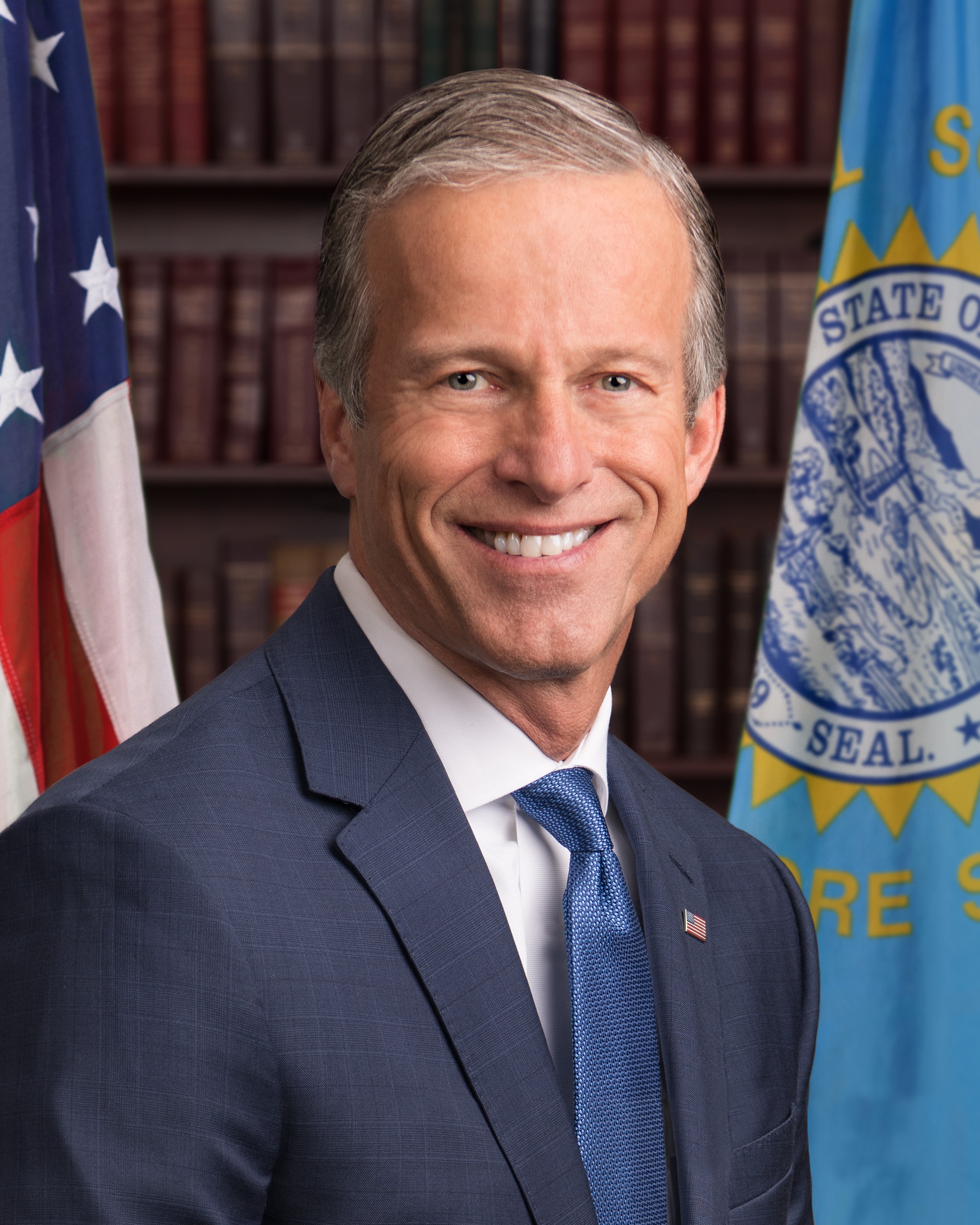
Senate Majority Leader John Thune indicated the chamber will pursue a stand-alone renewal of a key Foreign Intelligence Surveillance Act authority rather than tying it to election legislation, according to reporting Monday.
Senate Majority Leader John Thune, a South Dakota Republican, said the Senate plans to pursue a stand-alone renewal of a key Foreign Intelligence Surveillance Act authority, even as President Donald Trump has insisted on linking such changes to election legislation, according to Zero Hedge’s report Monday.
The report described Thune telling reporters that Senate Republicans are moving forward with stand-alone planning for the FISA renewal measure, rather than packaging the renewal alongside election-related provisions at the same time.
Thune’s comments, as characterized by the report, position the Senate to take up intelligence-surveillance renewal on its own legislative track, even if negotiations between the White House and congressional leadership focus on whether election-related policy should be considered in the same package.
The timing and structure of FISA renewals have historically mattered for oversight, legal standards, and how federal surveillance authorities are authorized and renewed by Congress, according to general legislative practice. Under that approach, Congress may consider surveillance authorities separately from election administration provisions, depending on leadership strategy and committee work.
In this case, the central dispute described by the report is not over whether the surveillance authority should be renewed, but over the legislative packaging. Trump, according to the report, has asked that the renewal be tied to election legislation, while Thune indicated the Senate would proceed with a stand-alone option.
The Senate’s willingness to pursue a stand-alone bill would, if carried into formal legislative action, affect how committees draft text, how amendments are offered, and how floor consideration is structured, because combining provisions across unrelated policy areas can change the negotiating balance among lawmakers.
A stand-alone path also tends to shift the political and procedural focus toward the surveillance authority itself, rather than election-related provisions, potentially altering how lawmakers evaluate tradeoffs between national security authorities and election administration requirements.
Whether the Senate ultimately sends a stand-alone FISA renewal to President Trump for consideration would depend on subsequent committee action, floor scheduling, and the final bill’s text. As of the Monday reporting cited, Thune’s remarks were the clearest public statement about the chamber’s intended approach, with further details subject to later legislative developments.
Why It Matters
- The dispute centers on legislative packaging, which can affect how amendments and negotiations play out on the Senate floor.
- A stand-alone FISA renewal approach would shift congressional consideration toward surveillance-authority renewal rather than requiring election-policy linkage in the same bill.
- If Congress moves separately, lawmakers would likely evaluate policy tradeoffs within each legislative track rather than combining them into a single package.
- The outcome would influence how quickly a renewed surveillance authority could advance through the legislative process, depending on scheduling and final text.
Sources
Key Facts
- Senate Majority Leader John Thune said the Senate will pursue a stand-alone renewal of a key Foreign Intelligence Surveillance Act authority, according to Monday reporting.
- The report said Thune’s position would proceed despite President Donald Trump’s insistence that FISA renewal be tied to election legislation.
- The reporting characterized Thune as indicating Senate Republican planning for the stand-alone approach.
- No bill number, committee markup, or formal vote count was included in the provided report.