
THE APEX TIMES
Thune says Senate will seek FISA 702 extension without SAVE America Act attached
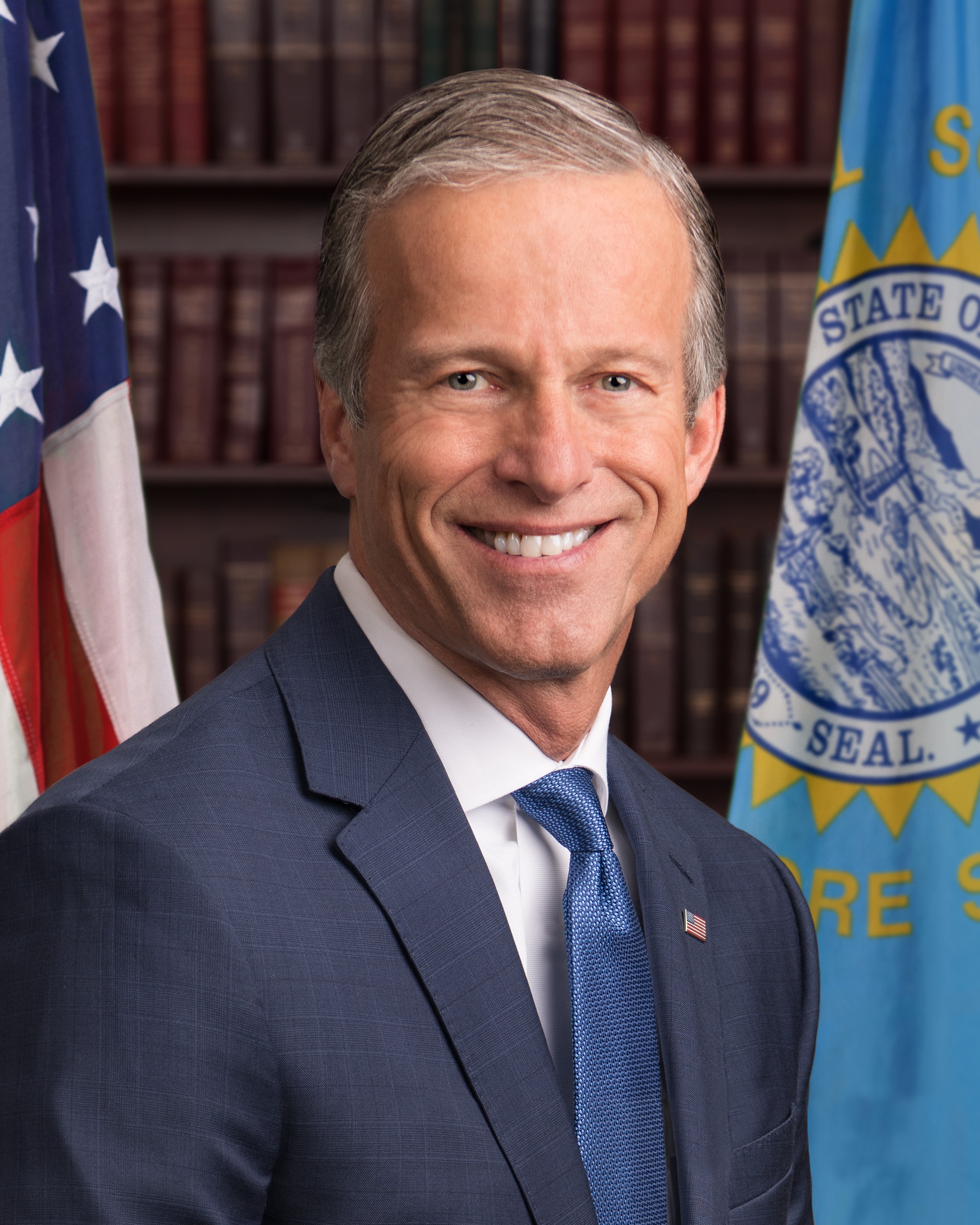
Senate Majority Leader John Thune said lawmakers will take up an extension of Foreign Intelligence Surveillance Act enhanced surveillance powers even if President Trump’s proposal to attach the SAVE America Act is not adopted.
Senate Majority Leader John Thune said Monday the Senate will attempt to move a bill extending the Foreign Intelligence Surveillance Act’s (FISA) enhanced surveillance authority for foreign intelligence purposes without the SAVE America Act being attached to the legislation, a move he described as rebuffing President Trump’s demand that the two measures be linked.
Thune, a Republican from South Dakota, made the comments as negotiations continue over whether Congress will renew the Section 702 authority that allows the government to obtain certain communications as part of foreign intelligence surveillance. The central issue before the Senate is not only whether to extend FISA enhanced surveillance powers, but whether related policy provisions proposed by the White House should be incorporated into the same legislative vehicle.
According to Thune, the Senate’s approach would be to move the FISA extension on its own timeline rather than delay action by requiring a package deal. He warned previously that allowing Section 702 to expire would create operational gaps in the government’s ability to conduct surveillance under existing statutory authorities, and he reiterated that position in Monday’s remarks.
The White House’s position, as characterized in the report, has been that the FISA renewal should be paired with the SAVE America Act. The SAVE America Act is described in the reporting as a separate proposal, and Thune’s comments indicate Senate Republicans plan to proceed without adopting that pairing as a condition of passage.
The legislative dispute underscores how closely FISA renewal debates are tied to broader questions of oversight, enforcement, and the scope of surveillance authorities. While supporters of attaching additional provisions argue the linkage helps ensure policy goals are met alongside intelligence renewals, Thune’s stance indicates Senate leadership intends to separate the renewal vote from the separate SAVE America measure.
The practical effect of the leadership approach will depend on what language ultimately reaches the Senate floor and how quickly lawmakers can act before Section 702’s statutory authority lapses. If the FISA extension is taken up and advanced without the SAVE America Act, lawmakers would be weighing competing priorities: maintaining continuity of enhanced surveillance authority versus requiring agreement on additional policy changes.
Further Senate action will determine whether a stand-alone FISA renewal can clear the chamber and what, if any, additional legislative proposals may follow. If Congress proceeds without SAVE America attached, the remaining question would shift to how and whether the separate SAVE America Act is pursued elsewhere in the legislative process.
Why It Matters
- The decision on linkage affects whether Congress treats FISA renewal as a stand-alone requirement to prevent authority gaps or as a broader package requiring agreement on additional policy terms.
- A stand-alone Senate route could influence the timing and likelihood of extending Section 702 before any statutory lapse.
- The outcome may determine how quickly affected agencies can rely on renewed statutory authority for foreign intelligence collection tied to Section 702.
- The dispute highlights ongoing congressional leverage over the scope of surveillance authorities, as well as the role of White House priorities in shaping legislative negotiations.
Sources
Key Facts
- Senate Majority Leader John Thune said Monday the Senate will attempt to pass an extension of FISA’s enhanced surveillance powers without attaching the SAVE America Act.
- Thune said the approach rebuffs President Trump’s request that the FISA extension and the SAVE America Act be linked.
- The dispute centers on renewing Section 702 of FISA, which provides enhanced surveillance authority for foreign intelligence purposes.
- Thune reiterated prior warnings that letting Section 702 expire poses problems for continued surveillance operations under existing authority.