
THE APEX TIMES
Tigers reinstate Gleyber Torres on injured list, get Casey Mize back for next start
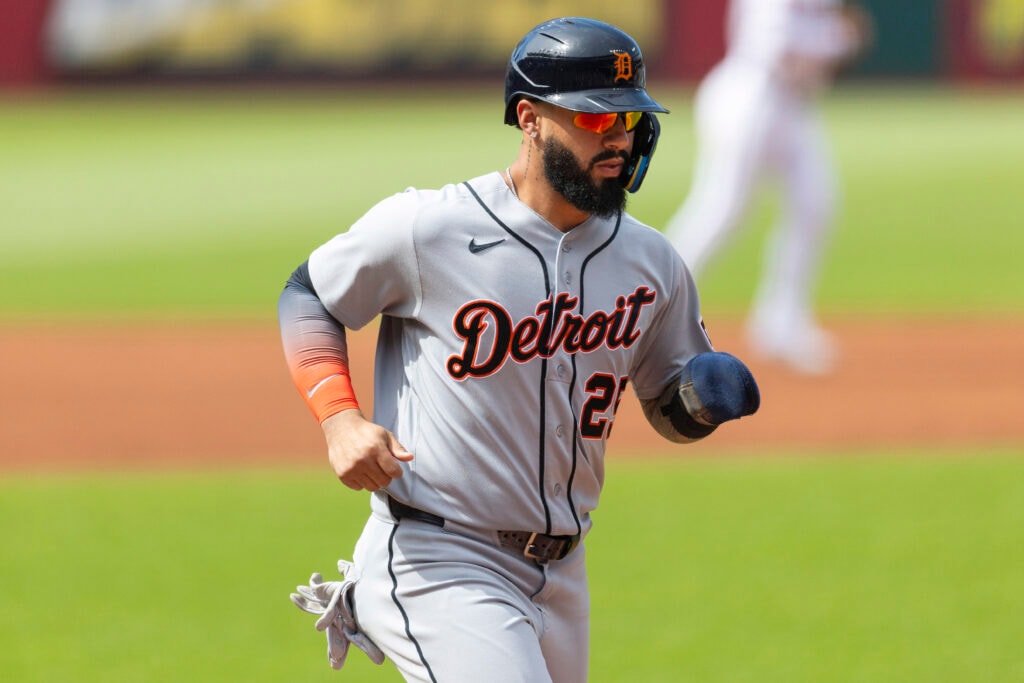
Detroit announced that second baseman Gleyber Torres is back on the 10-day injured list with a left oblique strain, the same injury pattern that previously sidelined him earlier this season. The move is paired with the return of right-hander Casey Mize.
The Detroit Tigers placed second baseman Gleyber Torres on the 10-day injured list again Wednesday, citing a left oblique strain. The transaction is paired with the reinstatement of right-hander Casey Mize from the injured list in a corresponding move, with Mize scheduled to start the Tigers’ game on the same day of the announcement.
Torres’ oblique issue is not new for Detroit. MLB Trade Rumors reported that it is the same injury that kept him out from May 4 through June 2, meaning the Tigers are again dealing with a mid-season recurrence of a muscle strain that tends to affect baseball players’ ability to swing and rotate through the trunk.
In practical terms, an oblique strain creates a major planning challenge for a team because it can limit not only batting but also the range and mechanics required at second base. While the Tigers have not indicated any longer-term timetable beyond the 10-day designation in the available report, the timing is consequential for a lineup that typically needs continuity from its middle infield spots.
The Tigers’ relief and rotation planning also gets adjusted by Mize’s return. According to the report, Mize has been reinstated from the injured list and will step back into a starting role immediately. For Detroit, that matters because adding a healthy starter back can help preserve bullpen usage and keep the rotation from leaning too heavily on the back end of the staff.
The roster shuffle underscores how MLB teams handle IL setbacks when they occur in clusters. When a position player lands back on the IL, the club usually needs a replacement plan for at-bats and defensive innings. When a starter is eligible to come off the IL, the corresponding move can stabilize the pitching staff right away. In this case, the Tigers are effectively trading Torres’ absence at second base for Mize’s availability in the rotation.
Torres’ second IL stint also raises a familiar question for teams and fans: whether the recurrence tightens the leash on how aggressively a club can push for a return to full workload. Oblique strains often require gradual ramp-ups in batting and athletic movements, and even when a player is medically cleared, teams tend to manage volume to avoid another setback.
What to watch next is Detroit’s approach to Torres’ rehab and timing for reassessment beyond the minimum 10-day window. It will also be worth monitoring how Mize performs in his return start and how the Tigers manage the innings count and matchup workload around him, given that the club’s pitching needs can change quickly if any other health concerns surface.
Why It Matters
- An oblique strain recurrence can disrupt a lineup’s rhythm and potentially affect how the Tigers configure their middle infield and everyday roles.
- Torres’ absence forces Detroit to fill a key infield position and redistribute at-bats during a stretch when regular contributions matter most.
- Mize’s return helps the Tigers regain depth in the rotation and can reduce bullpen strain.
- The timing of both moves highlights how MLB teams respond to injuries in real time, balancing roster needs across both offense and pitching.
Key Facts
- Detroit placed second baseman Gleyber Torres on the 10-day injured list with a left oblique strain.
- The left oblique strain is the same injury that previously sidelined Torres from May 4 through June 2.
- The Tigers made a corresponding transaction by reinstating right-hander Casey Mize from the injured list.
- MLB Trade Rumors reported that Mize is set to start the Tigers’ game on the day of the announcement.