
THE APEX TIMES
Timberwolves and Jonathan Kuminga agree on two-year deal, but August deadline adds payroll urgency
Minnesota has moved to secure a major free-agent target late in the offseason, yet the timing of Jonathan Kuminga’s agreement creates an immediate cap-management challenge as the Timberwolves try to finish shaping their roster.
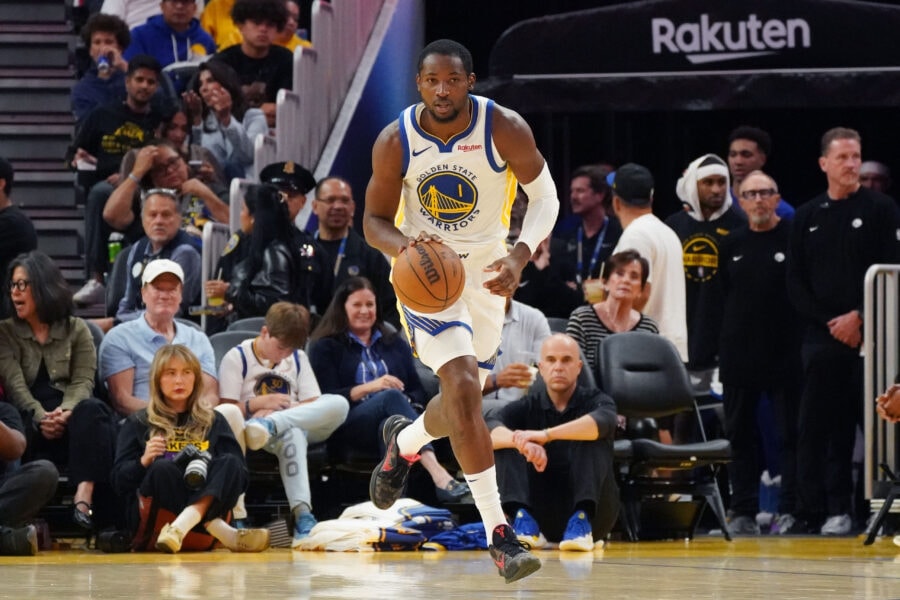
The Minnesota Timberwolves’ offseason took a major step late in August when Jonathan Kuminga reached an agreement on a two-year contract worth $13 million, according to Yahoo Sports. The deal comes after Kuminga remained one of the most prominent names available for an extended stretch of the 2026 offseason, and it represents the kind of acquisition teams typically pursue when they believe a playoff rotation needs an additional scoring and athletic-forward element.
While Minnesota’s agreement with Kuminga helps stabilize its short-term roster picture, the Yahoo report frames the contract as both an opportunity and a constraint. By arriving near the end of August and coming in the context of a broader “salary crunch,” the move forces the Timberwolves to address space and flexibility quickly if they want to add or retain other pieces around Kuminga without compromising their ability to remain compliant with league spending rules.
For the Timberwolves, this is a familiar balancing act. Teams that wait for late-market value often gain leverage on fit and price, but the tradeoff is timing. In practical terms, a new commitment can tighten the window for follow-on decisions, including whether Minnesota can round out depth, add a complementary defender, or pursue a bench scorer depending on how other offseason moves shake out.
Kuminga’s availability and eventual agreement also carry roster-building implications for Minnesota’s style of play. As an athletic wing/forward profile, Kuminga gives a franchise the ability to add rim pressure in transition and length in the half court. That can matter in the types of matchups the Timberwolves are likely to see in the postseason, where opponents often test rotations with size, perimeter driving, and second-chance offensive possessions.
Still, the Yahoo story emphasizes that the Timberwolves’ immediate financial challenge is not an abstract concern. It suggests Minnesota’s front office must move with urgency in the remaining late-offseason period to ensure it can support the Kuminga agreement with additional roster work. Without more official, comprehensive reporting on Minnesota’s full cap picture and remaining targets, it is also unclear how much room the team truly has for incremental additions beyond the core deal.
What to watch next is whether Minnesota can use its remaining roster flexibility to complete its rotation around the agreement, and whether any additional moves come quickly as the team works through the financial implications. For Kuminga, the watch is equally straightforward: how Minnesota deploys him within its existing on-court hierarchy, and whether the fit translates into consistent minutes and role clarity early in the season.
Why It Matters
- Minnesota’s ability to finalize a complete playoff-caliber roster may hinge on how quickly it can respond to the payroll pressure created by the Kuminga agreement.
- A late August signature can limit follow-on moves, making subsequent depth and fit decisions more urgent.
- Kuminga’s arrival could reshape Minnesota’s wing/forward rotation and affect how the team matches up against playoff-caliber opponents.
Sources
Key Facts
- Jonathan Kuminga agreed to a two-year contract worth $13 million with the Minnesota Timberwolves, per Yahoo Sports.
- The agreement reportedly came after Kuminga remained available late into the 2026 offseason.
- The timing of the deal is described as creating an immediate payroll challenge for Minnesota.
- Yahoo Sports frames the move as part of a late-offseason effort to address roster needs while managing salary-cap pressure.