
THE APEX TIMES
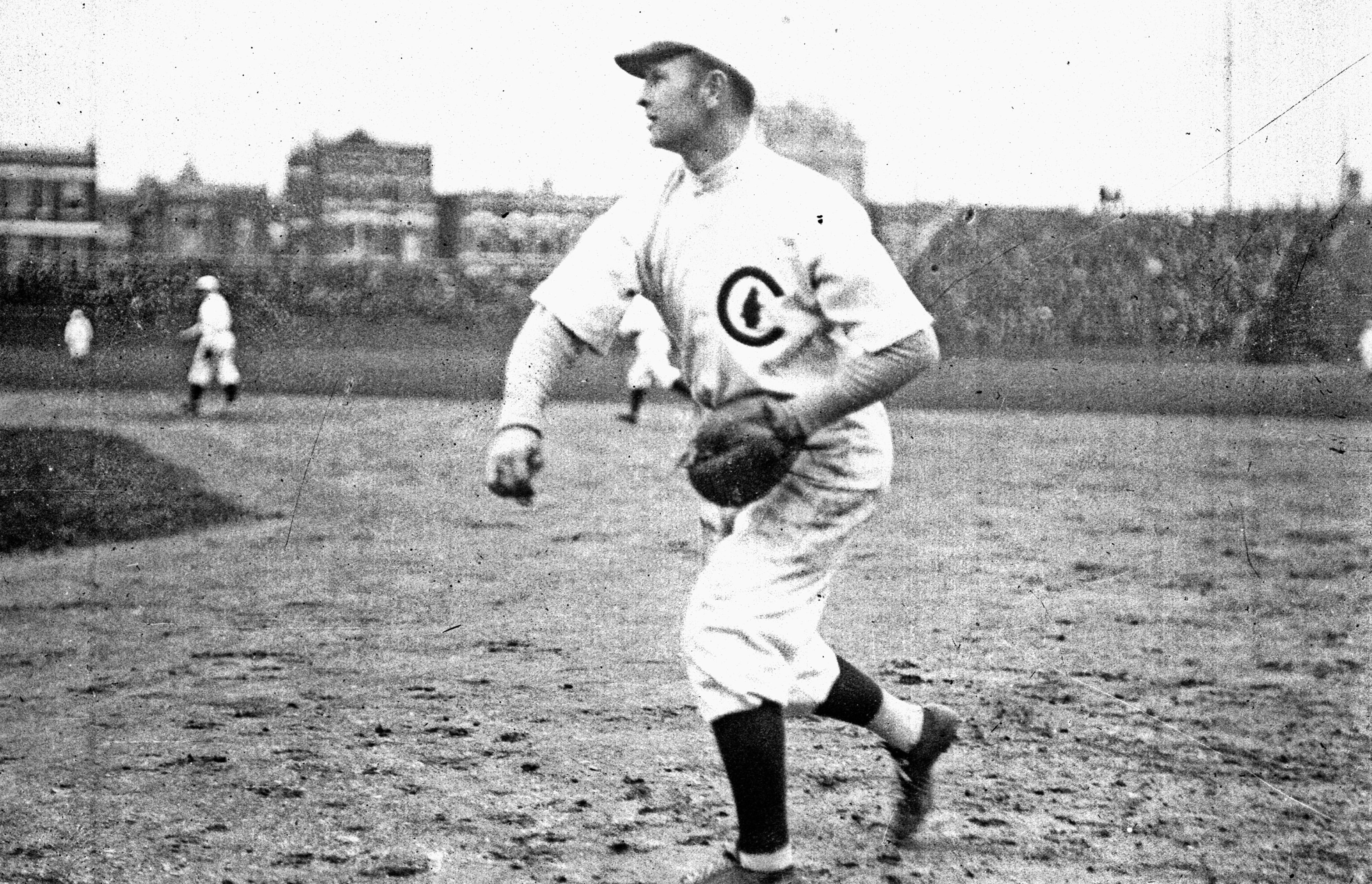
Today in Cubs history: A five-run ninth inning lift in Game 1 of the 1908 World Series
One of Chicago’s early World Series turning points came late, with a rally that flipped the opening game of the 1908 championship series.
On this date in Cubs lore, Chicago staged one of its more enduring comebacks in the early days of the World Series. In Game 1 of the 1908 World Series, the Cubs came from behind to win after a decisive five-run ninth inning rally. The fact that the momentum swing arrived in the final frame matters in a sport where late inning outcomes can define entire series narratives, and where “getting a rally started” often carries as much weight as what follows.
The matchup was the World Series itself, meaning the stakes were direct, national, and immediate. Unlike regular-season games, there is no long runway to correct course. The Cubs’ ability to erase a late deficit in Game 1 gave them more than one win, it established a psychological advantage in the opening chapter of a championship series.
The rally’s defining feature is also its simplest: five runs in the ninth inning. That combination, a deficit erased and a large scoring burst in the final frame, is the kind of turnaround that tends to outlast the teams that made it. Even for readers who do not track baseball’s earliest eras day to day, the basic outline of “behind late, then suddenly in front” is one that carries across generations of fans.
What makes this event especially notable is the way it reflects how baseball strategy and execution can align under pressure. A late-inning surge usually requires multiple things to go right in sequence, whether that is extending the at-bats, converting baserunners into runs, or taking advantage of the other team’s critical late-game moments. In a single inning, even small swings in leverage can compound quickly, and the ninth inning provides the most unforgiving version of that environment: the next out ends the comeback.
In 1908, the World Series was still carving out its modern identity, and teams were learning how to translate regular-season routines into October intensity. A late rally in Game 1 fits that developmental period perfectly, because it highlights the same underlying truth that continues today: the series does not belong to whoever leads early, it belongs to whoever can produce when the margin is smallest.
For modern Cubs followers, this is also one of those reminders that the franchise’s championship history is not confined to a single decade or a single dominant roster. The Cubs have experienced their highs in many forms, and the 1908 story shows that one of the franchise’s earliest championship narratives includes a dramatic, late comeback punch.
The next time the Cubs’ postseason history comes up, this Game 1 will be worth revisiting as an example of how an early series game can be made memorable even without the benefit of hindsight. It is also a useful perspective point for baseball fans generally, because it underscores that the most important inning is not always the first or the middle. Sometimes it is the ninth.
Why It Matters
- A late comeback in Game 1 can shape a championship series’ tone from the start.
- Five runs in the ninth inning is the kind of swing that becomes part of franchise memory and baseball folklore.
- The moment illustrates how, in October baseball, execution under tight inning-ending leverage can matter more than early-game control.
Sources
Key Facts
- The Cubs came from behind to win Game 1 of the 1908 World Series.
- Chicago’s decisive rally included five runs in the ninth inning.
- The outcome was part of the 1908 World Series, an early era of baseball’s championship postseason.