
THE APEX TIMES
Today in Cubs history: A ninth-inning comeback that still defines the 2016 playoff run
A decade after the Cubs’ 2016 National League Division Series turnaround, the memory of their late-inning rally remains one of the defining moments of the club’s march to a first World Series title in 108 years.
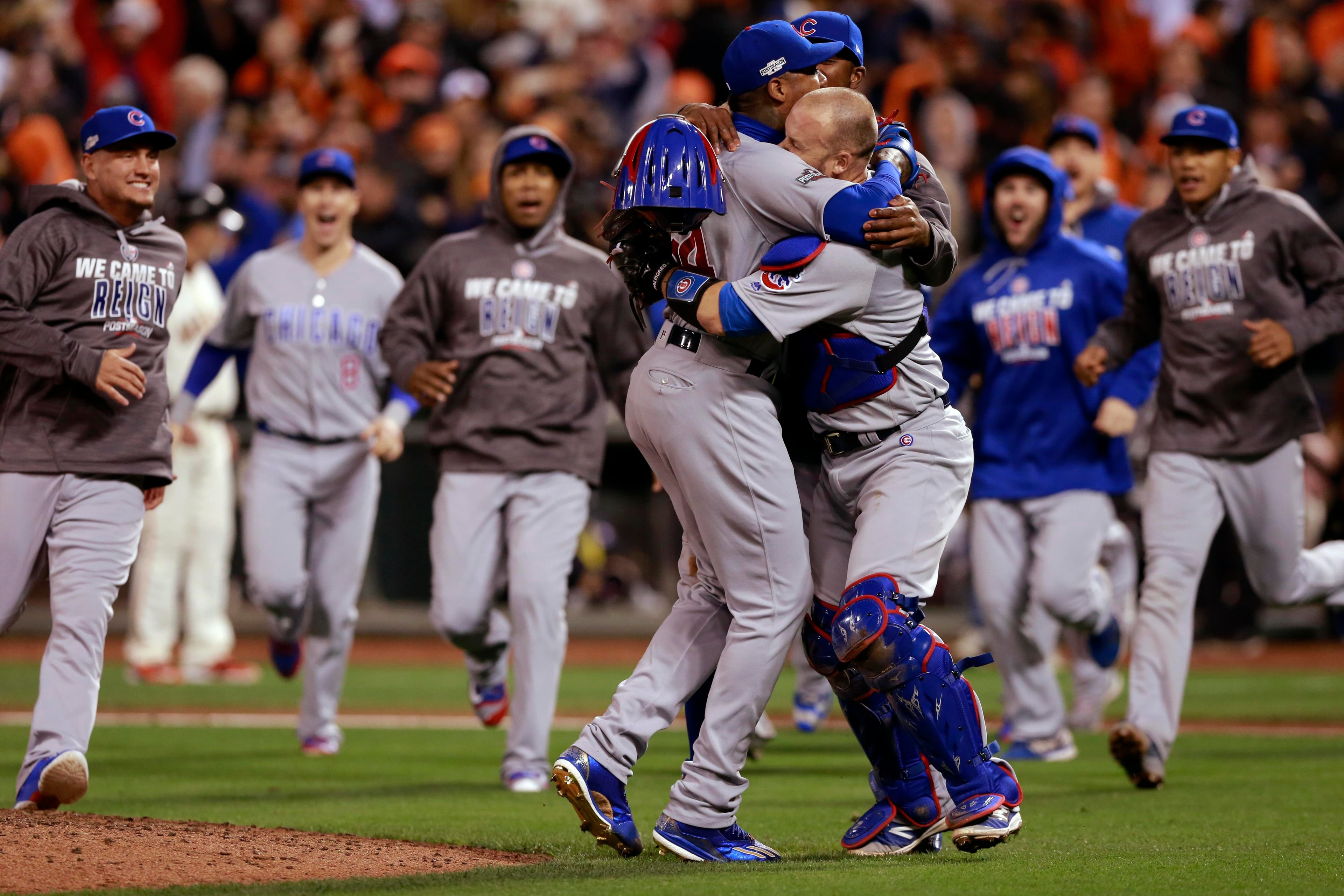
In October 2016, the Cubs’ postseason personality was already forming. On a day that later became a bookmark for anyone who followed the team closely, Chicago faced a do-or-die NLDS moment and instead of folding, it erased late-game ground in the ninth inning. Ten years later, the rally is still remembered for its timing, its pressure, and the way it foreshadowed what would come next in the Cubs’ run to the World Series title.
The game is commonly pointed to as an “incredible ninth-inning comeback” from that 2016 NLDS, a moment that turned the series’s emotional temperature. By the time the Cubs reached the final frame, the pressure was not theoretical. It was the kind of postseason situation that forces every pitch to carry added weight, and every swing to matter immediately.
What makes the ninth-inning swing stand out is not just that it happened, but how late it happened. Postseason rallies are often defined by momentum, and momentum tends to be hardest to generate when a team is running out of outs, running out of inning, and running out of time. In the Cubs’ case, the comeback served as a reminder that the season’s narrative was about belief as much as talent.
The broader context is also unavoidable. The 2016 Cubs went on to win the National League pennant and eventually the World Series, breaking a championship drought that had lasted since before most modern ballparks existed. The ninth-inning rally from the NLDS is now part of the team’s collective mythology, a specific example of how the Cubs refused to treat the postseason as something that could be endured rather than fought for.
This matters for how fans and analysts interpret the 2016 team, because comebacks like this do more than change a single game. They can tighten a clubhouse focus, sharpen a staff’s attention to high-leverage moments, and give hitters and defenders a shared reference point for how quickly games can flip. In playoff baseball, where series margins are often razor-thin, a late rally can become a template for the next game’s decision-making, from pitching management to lineup approach.
Looking back, today’s “Cubs history” revisit is less about nostalgia and more about understanding what made the 2016 run feel inevitable in retrospect. The ninth-inning comeback stands as a report that the Cubs did not simply get hot, they learned to play their sharpest baseball when the margin for error disappeared. As the calendar moves on, that late-game lesson remains one of the clearest images from a title-winning postseason.
Why It Matters
- Late-inning rallies in October often decide series, and this one has remained a highlight of the 2016 NLDS.
- The comeback is frequently used to illustrate how the 2016 Cubs performed under maximum pressure.
- Memories of specific postseason turns help define how fans evaluate the Cubs’ 2016 identity long after the games end.
- Moments like a ninth-inning swing can influence a team’s confidence and in-series momentum.
Sources
Key Facts
- The remembered moment is a ninth-inning comeback by the Chicago Cubs during the 2016 National League Division Series.
- The recap is part of a yearly “today in Cubs history” style look back published in 2026.
- The 2016 postseason run is associated with the Cubs winning the World Series and ending a 108-year championship drought.