
THE APEX TIMES
Today in White Sox History: August 25, 1913 and the purchase that launched Red Faber’s Hall of Fame career
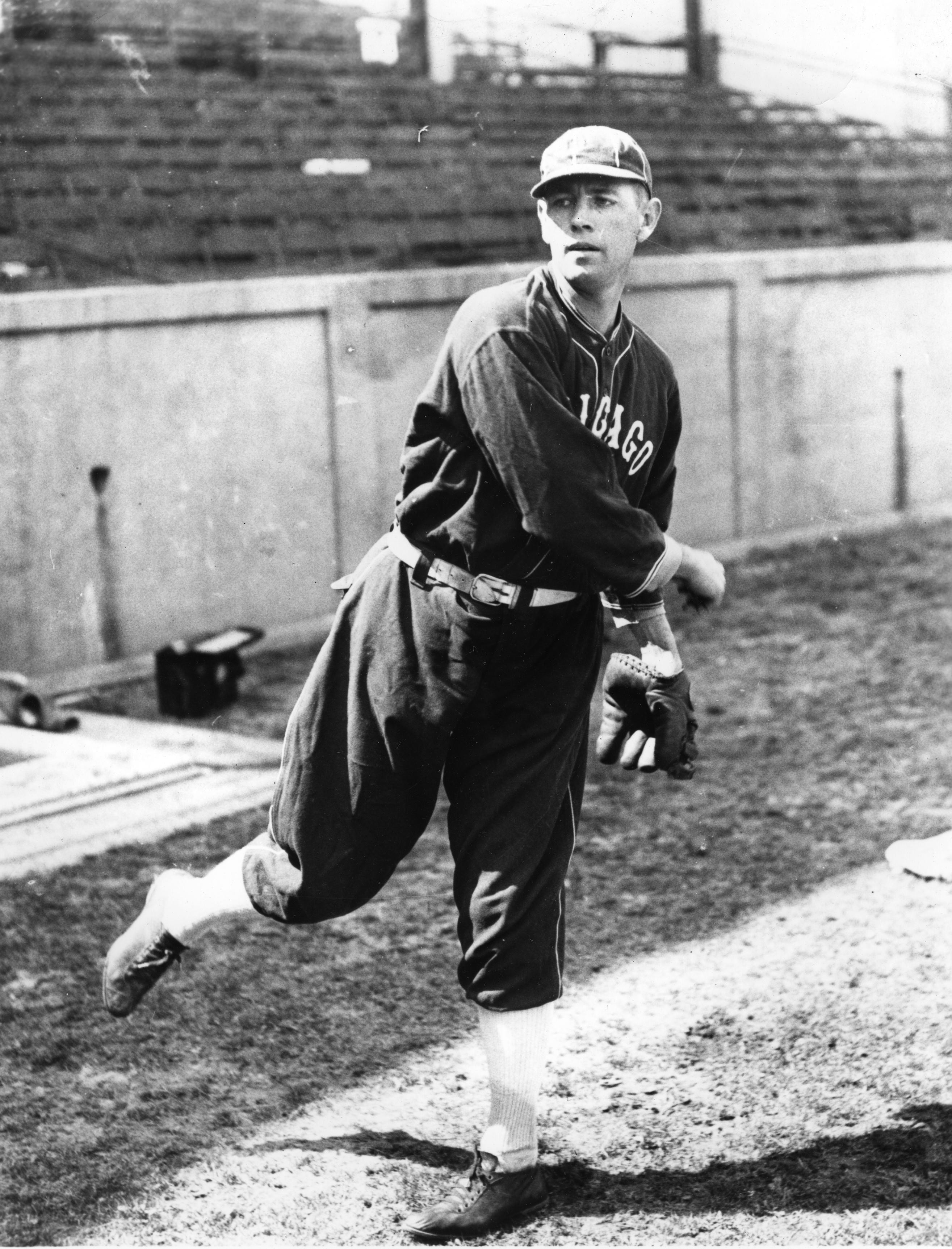
On August 25, 1913, Chicago’s American League club made a deal built on potential, buying the contract of pitcher Urban “Red” Faber from Des Moines for $3,500. The move would ripple into one of the franchise’s most productive pitching careers, highlighted by dominant postseason work in 1917.
Baseball history has its quiet transactions as well as its blockbuster trades, and one of the most consequential White Sox moves connected to August 25 began with a price tag that looks almost symbolic by modern standards. In 1913, Chicago purchased the contract of right-handed pitcher Urban “Red” Faber from the Des Moines club for $3,500, bringing a young arm into the major leagues with the South Siders.
From there, the story took the shape Chicago fans most like to remember, sustained success and a postseason reputation that arrived early. The White Sox career that followed is described as one in which Faber won 254 games for Chicago, including four seasons in which he recorded 20 or more wins. That level of run production as a starter mattered in an era where rotation durability was often a team’s margin of control over an entire year.
By 1917, Chicago’s pitching staff carried weight during the club’s most important stretch of the season. In the 1917 World Series, Faber is noted for a strong run against the New York Giants, going 3-1 as the series’ standout starter. The same description points to 27 innings pitched, along with two complete games, and it credits him with a 2.33 earned-run average in the Fall Classic.
The workload and the results are part of what make the August 25 entry more than a trivia note. A 3-1 series mark with multiple complete games indicates a pitcher who not only won, but also controlled the tempo of games for his team at a time when offensive output and defensive margins could swing quickly.
The setting for the day’s remembrance also reaches beyond the specific transaction. The featured account references major crowd atmosphere at Yankee Stadium, describing the White Sox showing off in front of 70,000-plus, tying the franchise’s large-stage presence to the same date. While this detail is presented as part of the day’s historical roundup rather than a single game recap, it contributes to the broader picture of a team that could draw and compete under intense national attention.
This is also a reminder that historical summaries can blur the edges around a transaction’s full context. The outlined facts confirm the purchase price and the core career production and World Series performance attributed to Faber, but they do not spell out the internal scouting rationale, the financial details beyond $3,500, or the immediate roster needs that prompted the move on that exact day. When using history to judge team-building decisions, it is worth treating these accounts as anchored in the major outcomes rather than in every operational detail.
What to watch next, especially for fans who follow MLB’s long arc, is how teams today value “small” investments in player development and scouting. Faber’s path from Des Moines to long-term impact in Chicago illustrates how an early commitment to a pitcher’s projection can become a defining part of a franchise identity, even when the initial number attached to the decision seems modest.
Why It Matters
- The $3,500 purchase highlights how one developmental bet could become a franchise cornerstone before modern scouting and analytics tools.
- Faber’s long stretch of 20-win seasons underscores how pitching stability can shape a team’s year-to-year competitiveness.
- The 1917 World Series workload and results show how a single rotation piece could carry postseason outcomes.
- The date-based roundup connects fan-facing stage size to roster-building decisions that define baseball memory over generations.
Key Facts
- On August 25, 1913, the Chicago White Sox purchased pitcher Urban “Red” Faber’s contract from Des Moines for $3,500.
- Faber went on to win 254 games with the White Sox.
- The account notes that Faber recorded four seasons with 20 or more wins for Chicago.
- In the 1917 World Series against the New York Giants, Faber went 3-1.
- The same entry describes Faber throwing 27 innings in the series with two complete games and a 2.33 ERA.
- The day’s historical recap also references White Sox attention in front of 70,000-plus at Yankee Stadium.