
THE APEX TIMES
Todd Monken says Browns offense has no single culprit after rough day vs. Jets
Cleveland’s offensive struggles against New York led to a broader message from the Browns’ play-calling staff: when things break down, it takes more than one fix.
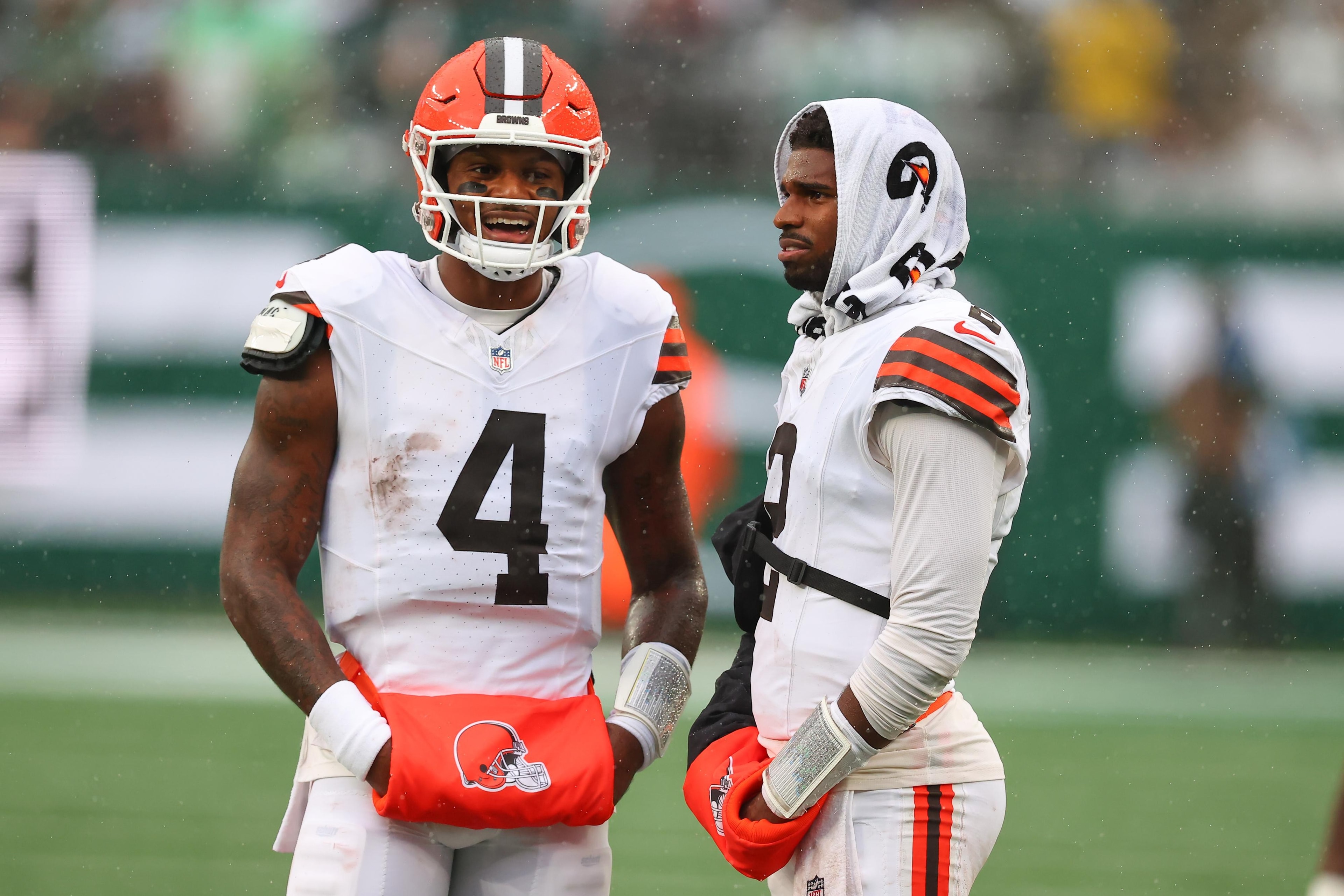
The Cleveland Browns’ offense hit a rough patch on Sunday against the New York Jets, producing what the team described in reporting as one of its ugliest offensive showings of the season. After the game, Cleveland’s offensive leader Todd Monken pushed back on the idea that the unit’s problems could be traced to a single cause, arguing instead that multiple parts of the offense contribute to the final result.
In comments covered by Yahoo Sports, Monken said there was “plenty of blame” to go around when the offense struggles. The core message was that no single piece stands alone, whether it is the play design, execution at the line of scrimmage, the passing game’s timing, or the way drives are sustained from start to finish.
While the Browns’ issues were visible throughout the day against New York, Monken’s framing matters because it directs attention toward a system-wide review rather than a narrow search for a scapegoat. For offenses, especially ones built around timing and situational football, a single failure can cascade, turning routine downs into third-and-long situations and compressing play-calling options.
That approach also reflects the reality of game planning against an opponent like the Jets. New York’s defense can force adjustments that test an offense’s ability to diagnose coverage and blitz looks quickly, and to convert when the game tightens. Monken’s “all the pieces matter” stance implicitly points to the need for cleaner execution across the board, not just better play selection.
The Browns now face the practical challenge that comes after a particularly poor offensive outing: correcting mistakes without overhauling identity. If Cleveland’s problems were driven by execution gaps, the response typically involves sharper fundamentals, clearer communication, and more precise reads. If the issues were more structural, it can mean adjusting the balance between concepts, re-emphasizing certain formations, or changing how the run-pass mix is used to create manageable situations.
As the team turns toward its next opponent, the key for Cleveland will be whether it can translate coaching emphasis into production on the field. The simplest way to judge a reaction to Sunday’s performance will be the early rhythm of drives, third-down efficiency, and whether the Browns can sustain play beyond a handful of snaps.
Monken’s comments do not close the book on what went wrong, but they do set expectations for how the Browns will evaluate the film. In the coming weeks, watch for evidence of targeted improvement, such as better pre-snap decision-making, more consistent execution in the passing game, and a run game that supports play action rather than putting the offense in catch-up mode.
Because this story is based on postgame reporting rather than a full play-by-play breakdown in the available material, it is not possible here to attribute specific failures to particular drives or players. Still, the message from the Browns’ offensive leadership is clear: when an offense struggles, the fix is collective, and the standard is higher than any one change can deliver.
Why It Matters
- A poor offensive showing can impact confidence and play-calling ranges, making recovery crucial for upcoming games.
- Monken’s “no single culprit” approach suggests Cleveland will focus on system-wide execution, which can take time but may produce steadier improvement.
- How the Browns respond to a high-profile offensive slump can affect how opponents prepare, especially in the division.
- The next few weeks will be a test of whether Cleveland can restore drive momentum and third-down performance after Sunday’s struggles.
Sources
Key Facts
- Cleveland had a difficult offensive performance against the New York Jets on Sunday, described in reporting as among the team’s ugliest of the season.
- After the game, Todd Monken said there is “plenty of blame” when the offense struggles.
- Monken argued there is no single culprit, emphasizing that multiple parts of the offense matter together.
- The comments position Cleveland’s response as a broad evaluation of offensive performance rather than a narrow blame assignment.