
THE APEX TIMES
Tom Pagliarulo turns UFC opportunity into a mission on men’s mental health
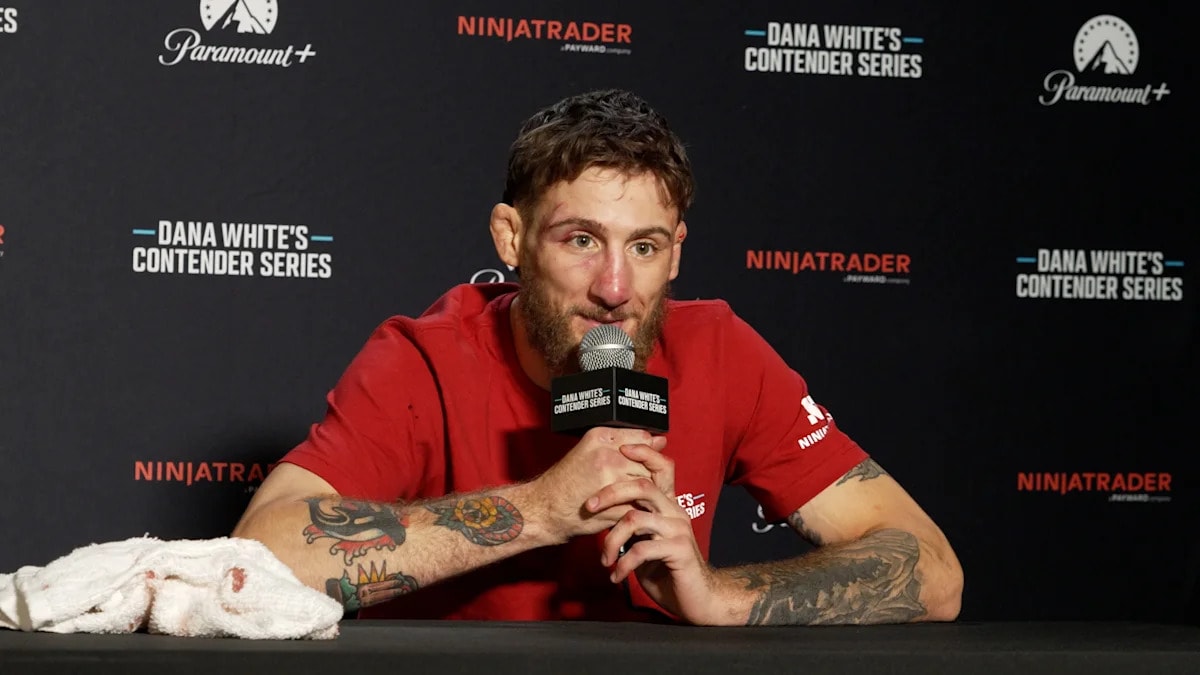
After winning a featherweight bout to earn an opportunity on the UFC roster at DWCS 87, Pagliarulo said his next priority is using his visibility to encourage more open conversations about mental health in men.
Tom Pagliarulo did more than chase a contract at DWCS 87. Following a featherweight win over Ananias Malumba, the fighter talked about a secondary objective that now moves center stage, using the UFC platform to spotlight men’s mental health and encourage others to seek help. The framing matters in MMA, where the sport’s culture often prizes toughness while conversations about psychological well-being can remain guarded.
The moment came after Pagliarulo’s performance at DWCS 87, an event that functions as a doorway into the UFC for fighters earning a chance to compete at the highest level. For contenders on that stage, each win carries practical consequences, but it also creates a public profile that can be leveraged beyond the cage. In Pagliarulo’s case, he described his post-fight direction as intentional, aiming to help “shine some light” on a topic he said has long been kept in the dark.
Pagliarulo’s comments connect his personal motivation to a broader theme that has been growing in combat sports: athletes speaking candidly about mental health, not only physical preparation and resilience. While MMA has long celebrated grit, recent years have seen more fighters discuss anxiety, depression, and the pressure that comes with high-performance environments. Pagliarulo’s stated goal is positioned as part of that shift, but with a specific focus on men, a demographic often stereotyped as less likely to seek support.
Ananias Malumba, the opponent in the DWCS 87 featherweight bout, represents the competitive context for Pagliarulo’s UFC entry. In DWCS, the path is short and unforgiving, so a win not only moves a fighter closer to the sport’s mainstream stage, it also sets expectations for how quickly the athlete must adapt to a higher level of attention and stakes. Pagliarulo’s public-facing mission is therefore paired with a familiar professional reality, the need to follow through in future UFC appearances.
The story of fighters building initiatives after big wins is not new, but Pagliarulo’s timing matters. Fighters who earn a contract often become more recognizable in a short window, giving them a chance to translate visibility into long-term advocacy. If he sustains the conversation after the initial publicity wave, the project could become part of how fans understand the sport’s mental-health landscape, rather than a brief post-fight talking point.
What to watch next is how Pagliarulo will operationalize the mission beyond interviews. Whether he ties it to specific programming, partnerships, or consistent messaging, the credibility will hinge on staying power once training and competition demands return. For now, DWCS 87 delivered the contract win, and Pagliarulo is already indicating that his career goals extend past performance metrics toward a public health message aimed at men who may be struggling quietly.
Why It Matters
- Pagliarulo’s contract win shows how DWCS outcomes can quickly amplify a fighter’s public platform.
- His focus on men’s mental health adds to a growing conversation in combat sports about psychological support.
- If he follows through consistently, the advocacy angle could shape how fans and athletes discuss wellbeing in MMA.
Sources
Key Facts
- Tom Pagliarulo won a featherweight bout over Ananias Malumba at DWCS 87.
- Pagliarulo said his UFC opportunity comes with a secondary goal related to men’s mental health.
- He described the topic as something that has been kept darkened and said he wants to bring attention to it.
- DWCS is a UFC pathway event where winners can earn opportunities to compete in the UFC.