
THE APEX TIMES
Tony Parker discusses Victor Wembanyama’s Spurs blueprint and the team’s depth, including Dylan Harper’s rise
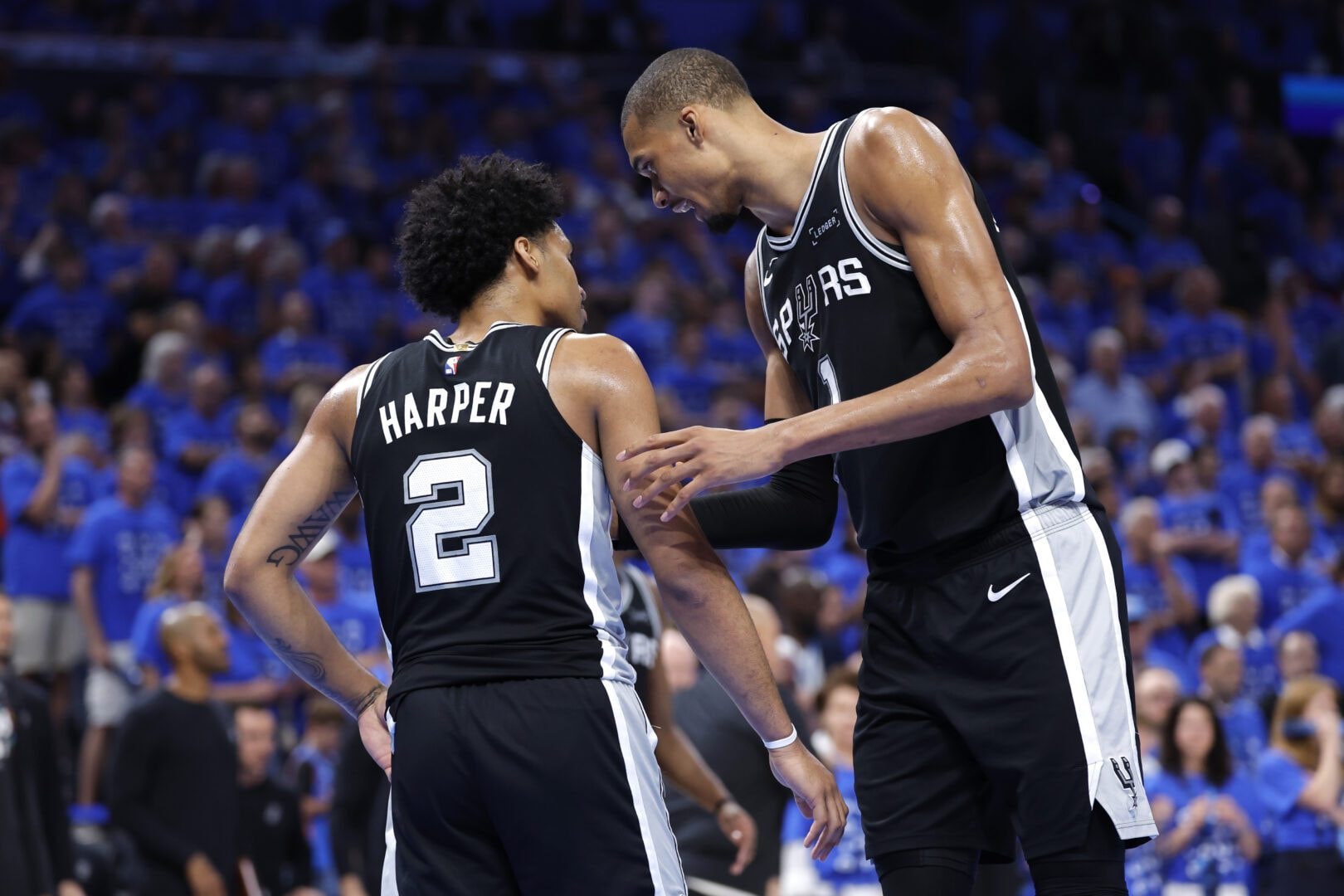
In a wide-ranging interview, Spurs legend Tony Parker reflected on the franchise’s young core after its postseason momentum, highlighting how San Antonio plans to keep building around Victor Wembanyama while getting more flexibility from its supporting pieces like Dylan Harper.
San Antonio Spurs legend Tony Parker said the organization has reason for long-term confidence as it continues forming a core around Victor Wembanyama and a deeper group that can help the team adapt game to game. Speaking in a recent interview tied to the Spurs’ ongoing rise, Parker framed the roster as something built for both immediate contention and sustained development, pointing to the balance between a clear centerpiece and a supporting cast that can expand the team’s options.
Parker’s comments placed Wembanyama at the center of the Spurs’ future identity. Rather than describing the team as a one-dimensional construction, he suggested the point is to keep giving the star multiple ways to influence games, including surrounding him with players who can match different matchups. That focus matters in the modern NBA because stars still set the ceiling, but teams with functional depth typically sustain success through injury weeks, stylistic swings, and playoff rotations that tighten quickly.
A notable thread in Parker’s remarks was roster structure, particularly the value of having contributors who provide “depth and flexibility.” In practical terms, that usually means being able to keep a consistent level on the floor even when lineups change, whether due to matchup concerns, foul trouble, or late-game strategy. Parker’s framing implied the Spurs’ young nucleus is not just about upside, but about building a stable rotation that can evolve without losing its identity.
The interview also singled out Dylan Harper as part of the Spurs’ emergence. Parker described Harper’s rise within the group as the kind of internal growth that helps a young team become steadier as the season progresses. Harper, as referenced by Parker, fits the larger idea of the Spurs getting more functional pieces around their primary star, so the team is not forced into overly narrow game plans when opponents adjust.
Parker’s NBA perspective lands alongside a broader theme in basketball development: the transition from “potential” to “precision.” Teams that reach the postseason with young talent often face the same question, whether the players can become consistent enough to matter in playoff possessions where scouting is sharper and margins are smaller. By emphasizing depth and adaptability, Parker’s comments point to the Spurs trying to solve that consistency problem through roster design and continued growth.
With the Spurs still in a build phase, Parker’s reflections also serve as a reminder that early momentum does not automatically translate into championships. Even if the talent and structure look promising, the postseason rewards teams that maintain cohesion through multiple series and still execute under pressure. What to watch next is how the Spurs distribute minutes among their young players, how quickly they can tighten rotations in playoff-style games, and whether Harper and the rest of the supporting group can keep providing the stability Parker highlighted around Wembanyama.
Why It Matters
- Parker’s comments underscore how the Spurs are positioning Wembanyama as a long-term foundation while trying to make surrounding lineups more adaptable.
- Depth and flexibility are playoff differentiators, where matchups, foul trouble, and rotation changes can dictate outcomes.
- Highlighting a player like Dylan Harper suggests San Antonio is trying to convert internal development into immediate on-court stability.
- The remarks shape expectations for how the Spurs’ young core could mature into a multi-year contender rather than a short peak.
Sources
Key Facts
- Tony Parker, speaking in an interview on Yahoo Sports, discussed the Spurs’ young core and the team’s long-term building approach.
- Parker specifically referenced Victor Wembanyama as the centerpiece around which San Antonio plans to construct its future.
- Parker said the Spurs have depth and flexibility, an emphasis aimed at sustaining contention beyond a single season run.
- The interview included comments on Dylan Harper as part of the Spurs’ rising group.
- The discussion was framed around the Spurs’ postseason momentum and what it suggests about their title readiness over the coming years.