
THE APEX TIMES
Trade-market idea for Montreal: Canadiens weighing a 6-foot-4 defender for defensive depth
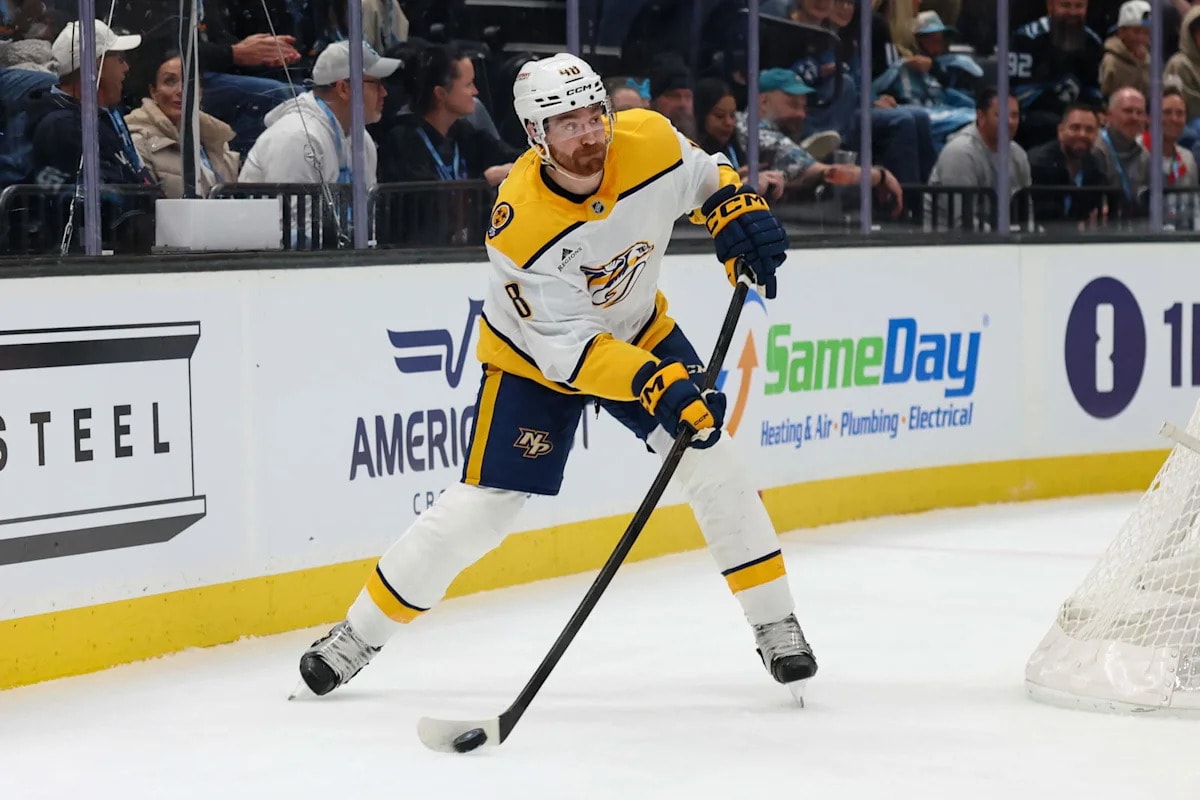
As the Montreal Canadiens look at their roster balance heading into the next phase of the season, one NHL trade target being discussed is a tall, depth-minded blueliner in the mold of a 6-foot-4 defender.
The Montreal Canadiens have not been characterized as especially active in their off-season moves, and a fresh trade-market idea is now part of the conversation. Yahoo Sports’ latest report frames a potential Canadiens trade target as a 6-foot-4 defender who could help add size and insurance to their defensive depth group.
In practical terms, the concept is less about a headline-grabbing splash and more about roster construction. Defensive depth matters over a long NHL campaign because injuries, matchup needs, and fatigue can quickly force bottom-pairing players into larger roles. For Montreal, the report’s emphasis on “adding depth” suggests the Canadiens are looking at ways to stabilize minutes and broaden the range of looks they can offer in their defensive structure.
At 6-foot-4, the type of player described fits a common profile NHL clubs target when they want to influence games with reach and physical presence. Teams often value taller defensemen for their ability to challenge passing lanes, contribute in board battles, and clear space in front of their own net. While height alone does not guarantee performance, the fit aligns with the Canadiens’ broader need to have reliable options beyond their core group of established blueliners.
The article also positions the trade idea in the context of a comparatively quiet Canadiens summer for new personnel. That matters because teams that do not address depth early can find themselves in a reactive posture once training camp and the regular season begin. By keeping the trade door open for a specific player archetype, Montreal can try to solve a depth issue without having to overhaul multiple lines or defensive pairings at once.
It is important to separate discussion from confirmation. A reported “trade target” is not the same as a formal agreement, a completed transaction, or even a finalized list of priorities by the Canadiens’ front office. Without official documentation from the Canadiens, the NHL, or the team being referenced in the report, the best characterization is that the outlet believes a deal is worth considering, not that one is imminent.
Still, the reason this kind of link shows up during the build-up to the season is that roster margins tend to tighten quickly. Even a modest addition to defensive depth can change how a team protects its lineup, how it manages matchups across a calendar week, and how safely it can deploy younger players or fringe regulars when the game plan calls for extra defensive structure.
For fans, the next thing to watch is whether Montreal’s front office follows through on the trade-market conversation with any additional moves. If they pursue a defender of that listed size profile, it would likely report that the Canadiens are thinking about depth pairing stability rather than only concentrating on top-end scoring or marquee talent. If nothing follows, the report still provides a window into what the market and team evaluators may be prioritizing as camp approaches.
Why It Matters
- Defensive depth can determine how consistently a team can maintain game plans across a long season, especially when pairings are reshuffled by injury or matchup.
- Adding a tall, reach-forward defender type can influence zone exits, net-front battles, and how a team protects its crease.
- For Montreal, a quiet off-season increases the importance of later moves that stabilize the bottom portion of the defensive lineup.
Key Facts
- Yahoo Sports reported that the Montreal Canadiens should consider a trade target described as a 6-foot-4 defender.
- The report frames the potential addition as a way to add defensive depth.
- It characterizes Montreal’s off-season as not especially active in acquiring new talent.
- The discussion centers on roster construction and depth rather than a major offseason overhaul.
- No confirmed trade is stated in the provided information.