
THE APEX TIMES
Trent Grisham leaves Yankees-Blue Jays game after appearing to injure himself running bases
The Yankees outfielder exited in the sixth inning at Toronto after slowing between first and second on a two-run hit and taking a secondary baserunning step on the throw.
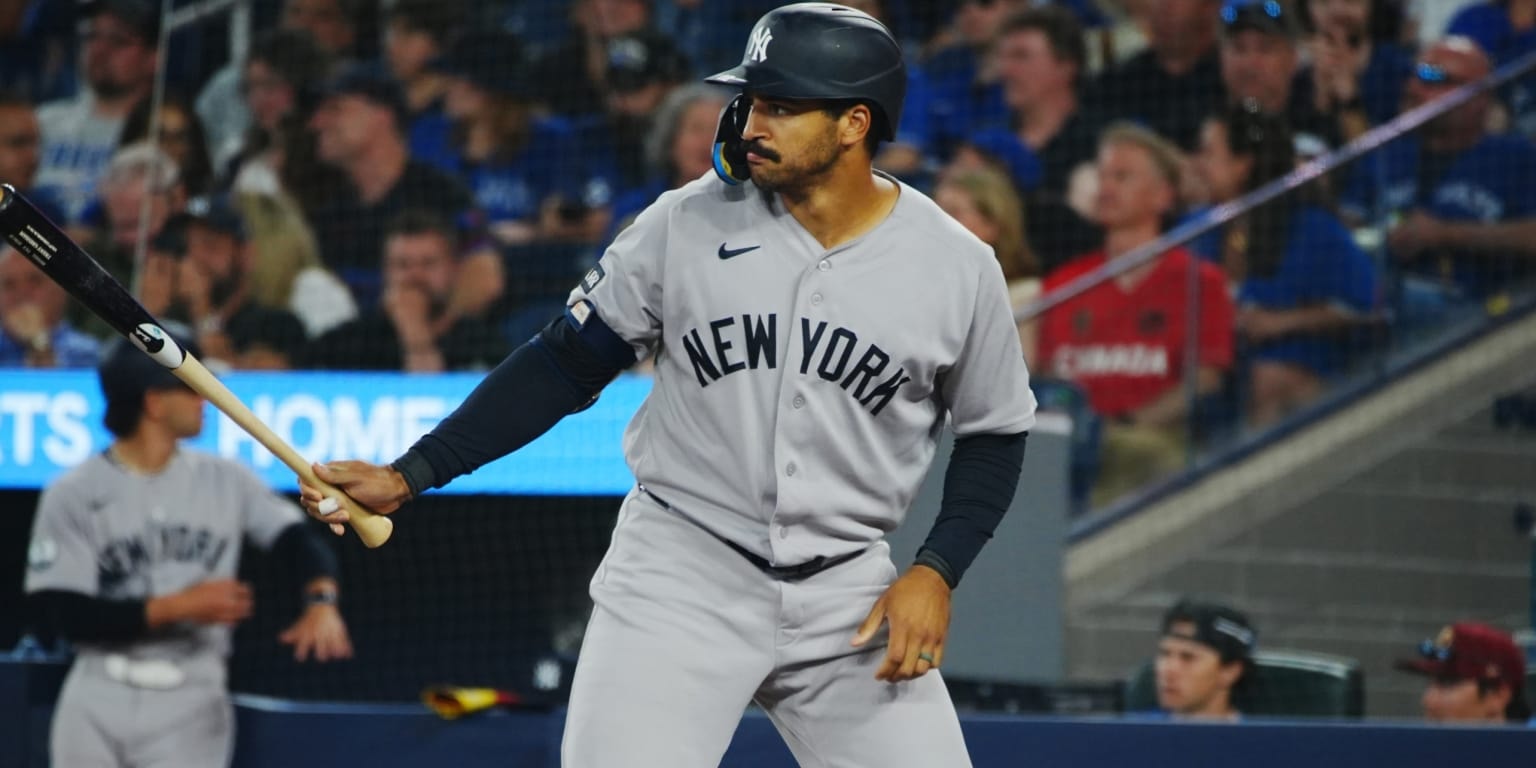
What happened Friday night in Toronto was as much about baserunning as it was about the swing that set it in motion. Yankees outfielder Trent Grisham exited the game in the sixth inning with an apparent injury after connecting for a two-run single against Blue Jays pitching, then slowing between first and second as the play developed.
According to the Yankees, Grisham hit a two-run single off Mason Fluharty. On the ensuing throw play, he took the extra bag and slid in safely at second base. Shortly after, he was taken out of the game, with the club indicating the change was due to an apparent injury.
The sequence matters for a Yankees lineup that regularly leans on its outfield depth and versatility. Grisham is typically used in roles that require both sound outfield reads and readiness on the bases, and this incident interrupted whatever defensive and offensive rhythm he had established. Even when a player reaches safely, a delayed slowdown can be a red flag for the type of ailment trainers monitor closely after a hard running moment.
Toronto’s Fluharty, the pitcher on the two-run hit, was part of a bullpen decision that ultimately produced the extra base runner situation Yankees were looking for. For the Blue Jays, it was a routine outing that took an unexpected turn once the game became more about base paths than the next at-bat.
The Yankees’ immediate priority after Grisham’s exit is medical evaluation and determining whether the injury is something that can be managed during the week or something that forces a longer absence. The report characterized the issue as “apparent,” which is common in early injury updates before a diagnosis is made. Until the team provides additional information, the range of outcomes remains broad.
For context within MLB, outfield injuries and lower-body issues often carry consequences beyond the current contest, particularly because they can affect sprinting, cutting, and the quick first step off the bag. If Grisham’s availability becomes limited, New York’s next few days would likely hinge on how the Yankees distribute playing time across their outfield group and how quickly they can spot a replacement who is comfortable in the same kind of live-run baserunning decisions.
What to watch next is whether the Yankees release further details that narrow the injury to a specific area and timeline. Watch also for how the team manages the outfield workload if Grisham is forced to miss time, including whether they turn more to other multi-skill roster options or adjust defensive assignments to reduce risk during games that include extra-bag opportunities.
Why It Matters
- Grisham’s exit changes the Yankees’ immediate outfield options and affects how they plan playing time after a mid-game injury.
- Because the incident involved a running slowdown and an extra-bag baserunning decision, the injury type could influence sprinting and base-path aggressiveness in subsequent games.
- The Yankees will need to clarify whether the issue is day-to-day or longer-term, which can impact roster usage and defensive alignment.
- For the Blue Jays, the play shows how a bullpen outing can shift quickly when a batter turns an RBI hit into additional baserunning opportunity.
Key Facts
- Trent Grisham exited a Yankees game in Toronto in the sixth inning with an apparent injury.
- Grisham hit a two-run single off Blue Jays pitcher Mason Fluharty.
- After the hit, Grisham slowed between first and second base during the play.
- He took an extra base on the throw and slid in safely at second.
- The Yankees reported the injury as “apparent,” indicating no confirmed diagnosis was provided in the initial update.