
THE APEX TIMES
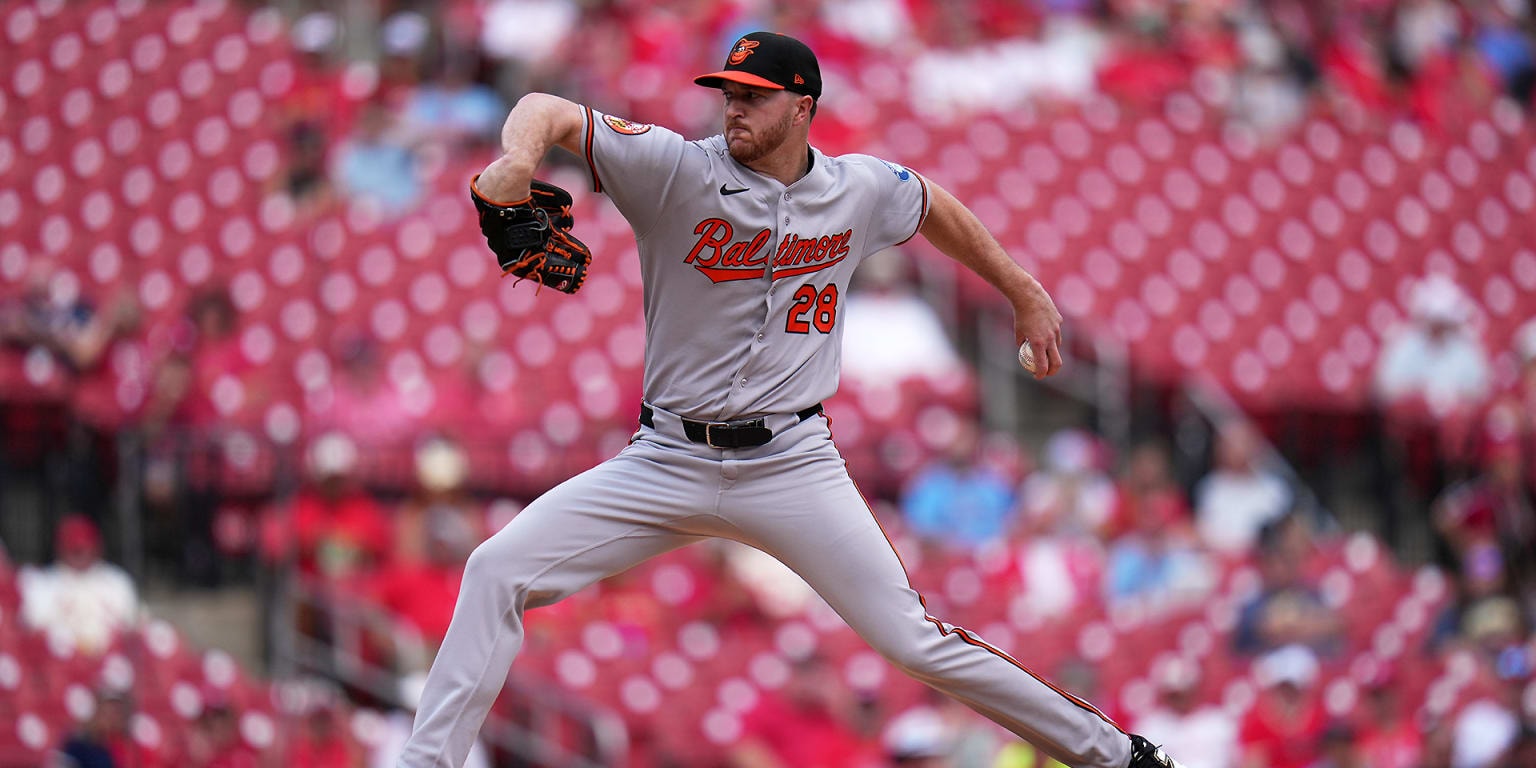
Trevor Rogers’ long-ball issues linger as Orioles fall in Cardinals series finale
In a three-game set at St. Louis, Baltimore’s hitters established an aggressive, damage-per-swing approach, but the Orioles’ pitching, and Trevor Rogers’ difficulty limiting the long ball, proved decisive late as they fell in the finale.
The Orioles entered the final game of their three-game series at St. Louis with momentum at the plate and a clear plan on offense, pushing early and hunting fastballs in hitters’ counts. In the first two games, Baltimore’s aggression translated into production, as the Orioles tagged Cardinals starters for 15 combined runs. That early stretch helped them set the tone, even as the Cardinals managed to tighten things after Baltimore’s initial bursts.
The common thread across the set was approach, not only the style but the effect. According to an report, it was hard to miss how Baltimore combined intent with results, running up the scoreboard through sustained pressure. The Orioles’ ability to build a lead was on display earlier in the series, where the report notes they carried enough of an advantage to survive a more constrained second game.
Still, the finale underscored how quickly a series can swing when one side cannot manage the opposing power. The story framing on the Orioles’ end centers on Trevor Rogers and his continued trouble with the long ball. Baltimore’s offense created opportunities, but the pitching matchup and Rogers’ inability to fully contain damage in the air left the Orioles searching for an answer once St. Louis found its timing.
Rogers’ struggles were not treated as a one-off by the report, but as a continuation of the pattern. That distinction matters because the long ball is rarely a single-inning problem. It changes the way a team has to manage sequencing, leverage, and bullpen usage, since one extra-base swing can erase the value of any early run support and force hitters to chase later.
From a baseball perspective, the Orioles’ series profile became a balancing act. Baltimore’s batting order showed that it can turn aggression into runs, even against experienced major-league pitching. But to translate that into a series-winning outcome, the club needs its starting pitching to limit big, momentum-breaking swings. When the long ball shows up, the offense’s job becomes harder, because the margin for error shrinks.
For St. Louis, the payoff is straightforward: keep the ball in the yard, and let your lineup make the most of chances once the opponent’s starter is working around the edges. The Orioles’ hitters created a stand-alone argument at the plate earlier in the set, but the report’s emphasis on Rogers points to a gap that the Cardinals were able to exploit in the last game.
What to watch next for Baltimore is how the team responds to this specific matchup lesson. If the Orioles can keep their approach consistent, they can build the leads that turn bullpens into support rather than firefighting. If not, the club may have to lean more heavily on later innings to overcome the kind of long-ball damage that, as described in the report, continued to be a problem for Rogers throughout the series.
Why It Matters
- Even when an offense is producing, starting pitching that allows extra-base damage can flip the series outcome quickly.
- Baltimore’s aggressive approach appears capable of generating runs, but the team still needs the pitching staff to protect leads consistently.
- The long-ball issue attributed to Rogers is a strategic problem because it forces more bullpen usage and increases the need for two-out damage control.
- For the Cardinals, neutralizing power threats helps convert offensive bursts into wins, especially in late-game situations.
Key Facts
- The Orioles lost the series finale at St. Louis.
- Baltimore scored 15 combined runs off Cardinals starters in the first two games of the three-game set.
- The Orioles’ offense showed an aggressive approach and success in their batting approach during the first half of the series.
- The report highlights Trevor Rogers and continued struggles with the long ball as a factor in the loss.
- Baltimore was able to build enough of a lead earlier in the set to survive a tightened affair in the second game.