
THE APEX TIMES
Trey Kaufman-Renn’s NCAA eligibility fight could reshape the college transfer market
A lawsuit seeking another season of NCAA eligibility by Minnesota Timberwolves draft pick Trey Kaufman-Renn raises fresh questions about how quickly the most coveted transfer targets will be able to re-enter college recruiting and roster planning.
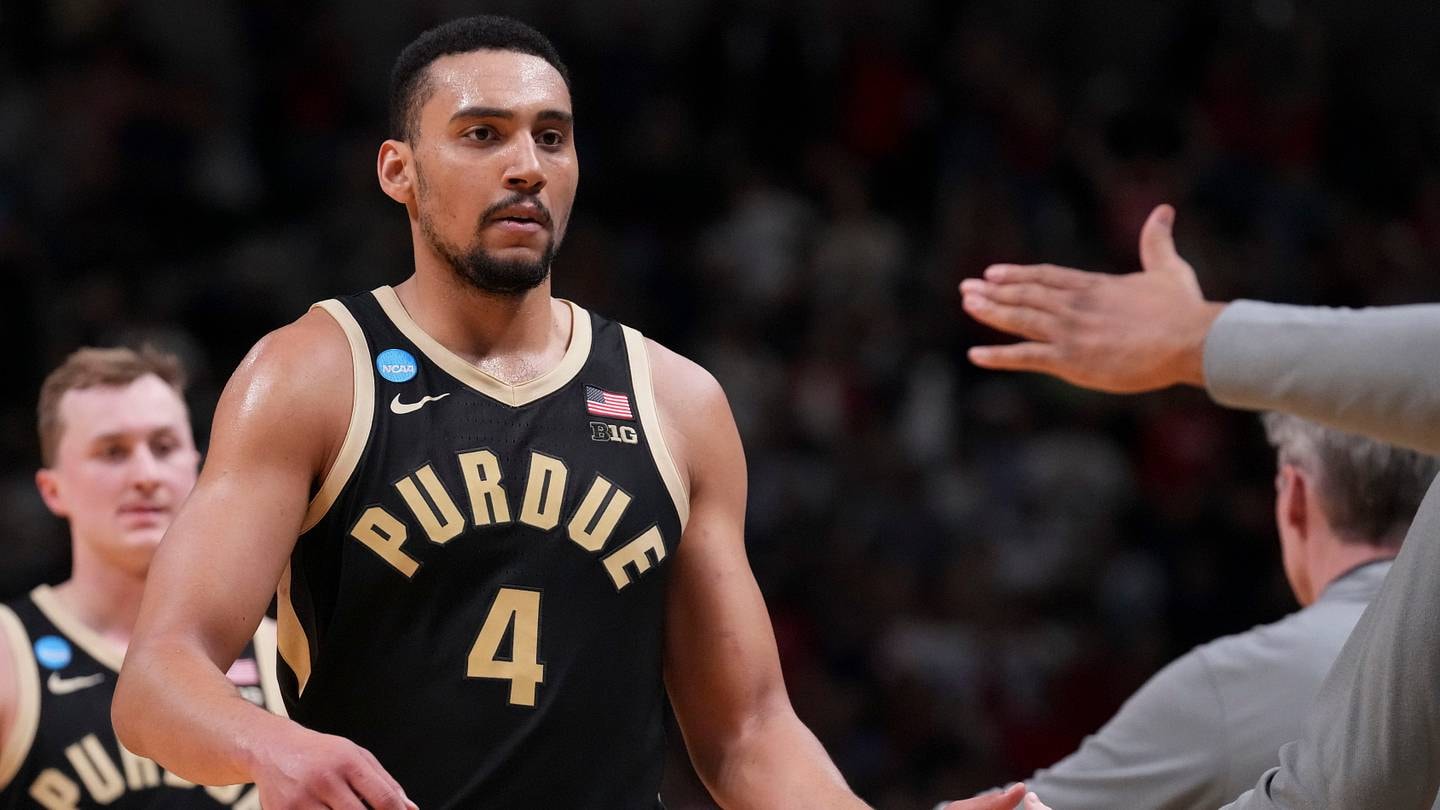
Trey Kaufman-Renn, a former Purdue standout and Minnesota Timberwolves draft pick, is seeking another season of college basketball eligibility by suing the NCAA, a move that could alter the timing and leverage of the transfer market for programs hoping to add elite talent this offseason.
According to reporting by Busting Brackets, the player’s legal effort is aimed at forcing the NCAA to allow him to remain eligible for additional college play, even as draft status keeps him within reach of the NBA. The case, as framed in the report, is positioned around what transfer portals have come to represent in today’s college game: a high-stakes pipeline for players with immediate impact, and the ability to re-negotiate value before next-level decisions.
Kaufman-Renn’s situation highlights a growing tension between two parallel realities in men’s college basketball. One is the roster-building cycle, where coaches must plan around scholarship limits, practice timelines, and the availability of potential starters. The other is the eligibility framework administered by the NCAA, which determines whether a player can stay in college beyond the standard windows for competition.
The reporting also suggests that Kaufman-Renn is viewed as the “most coveted” player in the transfer portal, a designation that, if it holds, would make his eligibility status unusually influential. In practical terms, a single player’s ability to play can affect how aggressively other teams recruit comparable profiles, how they allocate limited resources, and whether they pivot to alternative targets.
This is not just a recruiting story, it is also a scheduling and preparation story. If a player is eligible to participate, even in a limited or contested manner, coaches may need to structure early-season roles, conditioning plans, and lineup expectations around him. If eligibility is blocked, those same staffs can lose weeks of planning and must replace him quickly, often against other programs also competing for transfer talent.
Kaufman-Renn’s case comes at a moment when the transfer portal has become the main route for roster upgrades. For a player connected to both a major NCAA program and an NBA franchise, the decision tree is especially complicated. Any legal outcome can force a re-calibration, because it can determine whether a player is viewed by teams as a near-term addition or a short-term option.
What to watch next is the procedural pace of the lawsuit and any interim guidance that may affect eligibility while the case moves through the court system. If the NCAA or the courts provide clarity on whether he can suit up, other players and programs will likely treat Kaufman-Renn’s resolution as a reference point for how they approach their own recruiting and transfer timelines.
For now, the only certain takeaway is that college basketball’s eligibility rules and the modern transfer economy are colliding more directly than ever. If Kaufman-Renn’s effort succeeds, it could extend the runway for a top-tier mover and intensify recruiting competition. If it fails, it could harden the market around players who are already eligible, and reduce uncertainty that teams cannot afford to carry into the season.
Why It Matters
- A single high-profile eligibility decision can ripple through the transfer market, changing who holds leverage and how quickly other programs adjust.
- Coaches may have to build early-season plans around an elite player if he is deemed eligible, affecting lineup roles and scholarship usage.
- If the case drags on or produces mixed guidance, it could increase uncertainty for teams trying to finalize recruiting plans.
- The outcome may influence how future transfer targets and NBA-adjacent prospects think about their own eligibility strategy.
Key Facts
- Reporting indicates Trey Kaufman-Renn, a former Purdue player and Minnesota Timberwolves draft pick, is suing the NCAA for additional college eligibility.
- The legal effort is framed as a request to remain eligible for another season of NCAA competition.
- The report characterizes Kaufman-Renn as the most coveted player in the transfer portal.
- If eligibility is resolved in his favor, it could influence how coaches plan roster construction and transfer recruitment.
- The situation sits at the intersection of NCAA eligibility rules and NBA-related timelines.