
THE APEX TIMES
Trey Lipscomb’s path back to the majors hits a need moment for Washington
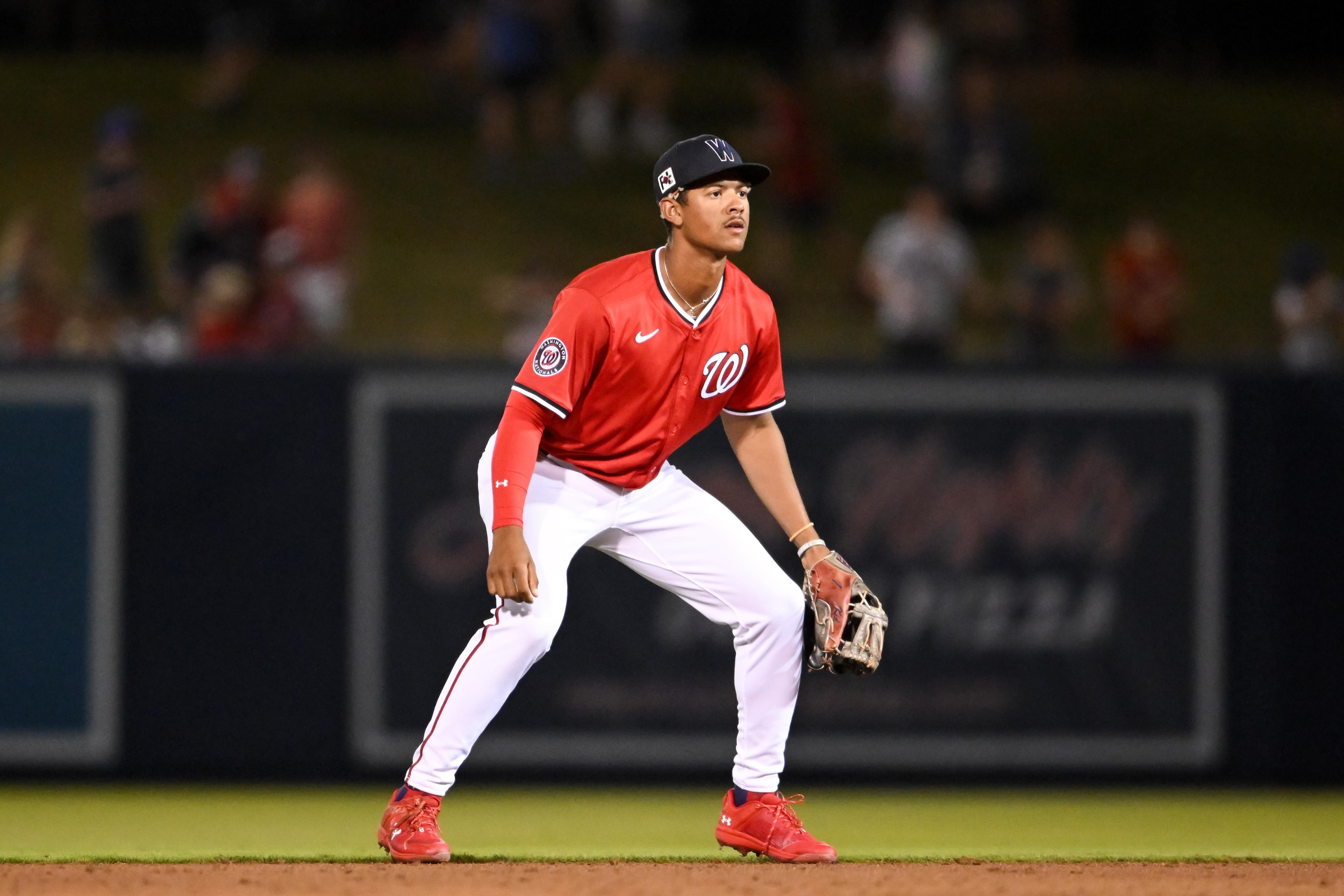
With the Nationals searching for offensive traction on the road, a call for another look at Trey Lipscomb is getting louder.
Washington’s offense has been in a tight spot lately, and the Nationals’ recent road struggles are putting a spotlight on roster questions that do not go away quietly. Over a nine-game swing, the team scored 20 runs, a pace that leaves little room for the kind of slow starts that can sap late-game chances and shorten every at-bat’s margin for error.
In that context, Trey Lipscomb is emerging as one of the names fans and observers point to for a renewed look in the big leagues. The argument is straightforward: if Washington is trying to find any spark to lift a struggling lineup, it may need to widen the group of players getting opportunities rather than waiting for one more minor adjustment to solve a bigger production problem.
Lipscomb’s case in this debate is less about a single heroic moment and more about what a “second chance” can represent when a team is trying to re-stabilize its offense. The Nationals, once known for a more fearsome baseline, are now depicted as a club in search of answers, and that kind of season reality often forces managers to ask whether a player who can contribute in multiple ways should be elevated or re-evaluated.
The discussion is also framed by roster priorities. The idea is that Washington may not want to rush into bringing up Seaver King right away, but that does not mean the organization has to stand pat elsewhere. In that same lineup of reasoning, Lipscomb becomes the alternative call for a different look, an option that could potentially change the day-to-day feel of the offense without requiring the same immediate shift in the overall development plan.
The most important caveat is that an opinion about “deserving a chance” is not a roster plan. A big league promotion depends on a manager’s plan for the lineup, bench usage, and defensive fit, along with internal decisions that can vary day to day. Still, when a team is scoring 20 runs in nine games, the threshold for “wait and see” tends to get lower, and the chances for players on the cusp of impact can rise.
What to watch next is whether Washington’s offensive approach on the road continues to stall in the same ways, and whether the organization starts to treat the current lack of run production as a report to change more than just the hitting order. If the Nationals keep struggling to turn at-bats into runs, Lipscomb’s argument for a renewed look will likely remain part of the conversation, especially as the season moves toward its later phases where every offensive tweak carries bigger consequences.
For now, Lipscomb’s appeal is rooted in the present tense: a need for answers and a willingness to look again at a player who, in the view of the people making the case, could help provide the kind of spark that Washington’s lineup has not been consistently able to supply.
Why It Matters
- When a team is scoring at a low pace across a multi-game stretch, lineup and player-usage decisions become more urgent.
- A renewed look at a player like Lipscomb can report a broader shift in how the Nationals plan to generate offense, not just who is batting where.
- Roster conversations in August can also influence clubhouse morale and the shape of the lineup later in the season.
- If Washington continues to struggle to produce runs, more frequent experimentation becomes likely, increasing the chance that fringe options get meaningful time.
Key Facts
- A nine-game road trip produced 20 total runs for the Washington Nationals.
- A Yahoo Sports column argues that Trey Lipscomb deserves another opportunity in the majors.
- The same column frames Washington as searching for offensive answers after previously being a stronger attacking team.
- The column also mentions Seaver King as an alternative promotion choice Washington might consider, though it argues Lipscomb should not be overlooked if King is not the immediate move.