
THE APEX TIMES
Trinidad Chambliss pushes back on Lane Kiffin’s account of Ole Miss and Black recruiting
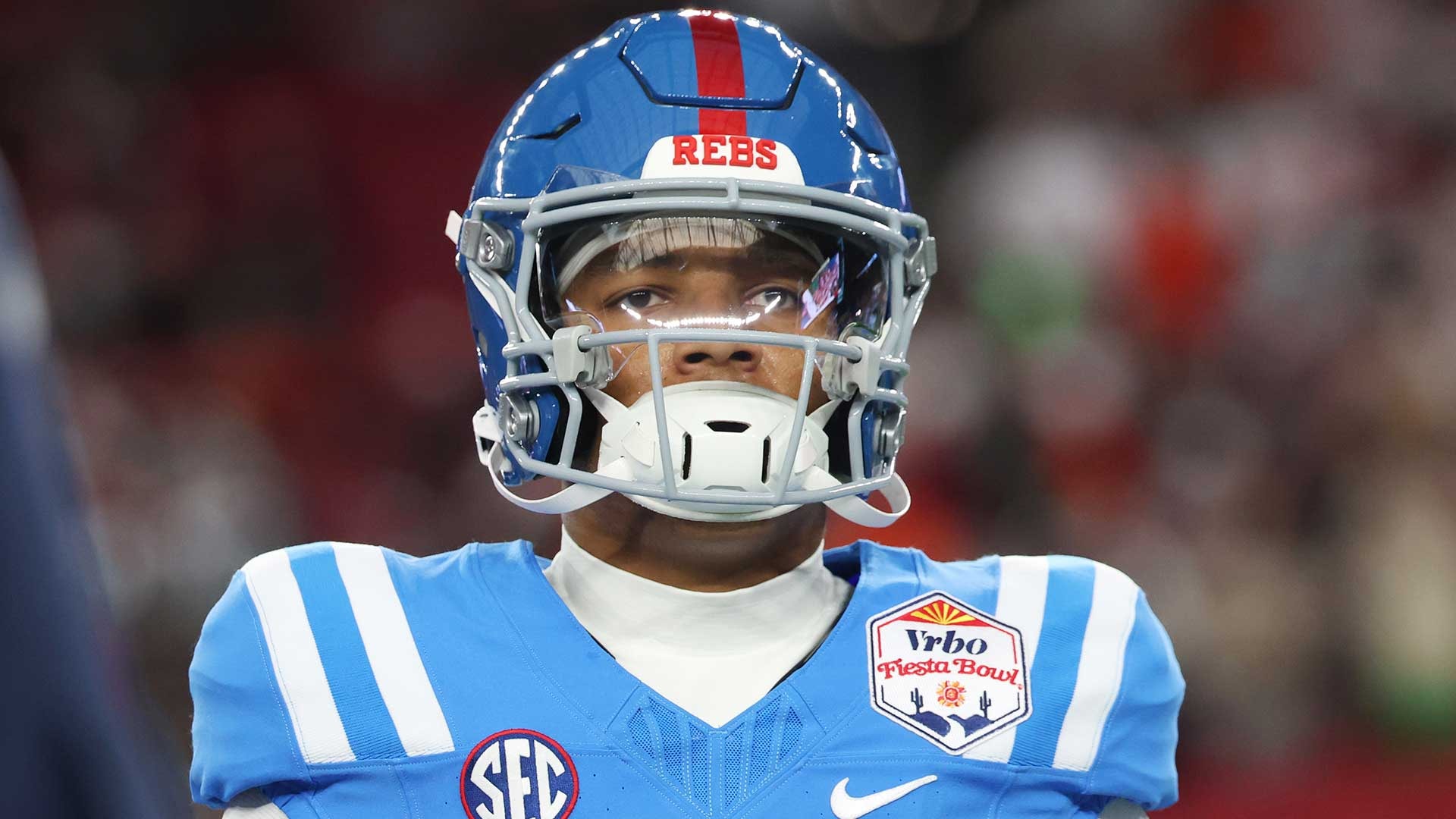
Ole Miss quarterback Trinidad Chambliss contested a narrative from LSU coach Lane Kiffin that the Rebels’ historical embrace of Confederate symbols made recruiting Black players more difficult, underscoring how recruitment conversations now mix football with cultural credibility.
Ole Miss quarterback Trinidad Chambliss publicly disputed LSU coach Lane Kiffin’s framing of how Ole Miss’ past has affected the recruitment of Black players. The disagreement, reported by FOX Sports, landed in the middle of a broader college football discussion about whether programs are being evaluated only for on-field results or also for what families hear about a school’s culture and climate.
According to the FOX Sports report, Chambliss took issue with Kiffin’s recent comments that Ole Miss’ history of Confederate symbols made recruiting Black players more difficult. Chambliss’s response reframes the issue as one of lived experience and messaging, not just a generalized reading of history. The exchange matters in recruiting because coaches sell stability, belonging, and future opportunity as much as they sell schemes and playing time.
For Ole Miss, the moment is especially sensitive because the program has long been a national focal point when college football fans, recruits, and media discuss the meaning of Confederate iconography in modern athletics. When a high-profile coach suggests that history directly undermines recruiting, it implicitly challenges the work a school must do to demonstrate that it has moved past outdated symbols and toward a welcoming environment for current and future athletes.
In recruiting circles, narratives often travel faster than official statements. A statement from a power-conference coach can become the headline, even if the details are nuanced. Chambliss’s pushback suggests he believes the narrative does not accurately capture how Black players experience Ole Miss today, or how the program should be understood in the present tense.
The dispute also highlights the competitive tension between two Southeastern Conference programs that have each built recruiting identities around strong quarterback pipelines. Ole Miss’ recruiting pitch has frequently emphasized opportunity and development for skill players, while LSU’s approach under Kiffin has centered on a modern offensive identity and urgency. In that context, the back-and-forth is more than culture commentary. It becomes part of a team-building story that recruits interpret when deciding where they can succeed and be respected.
Going forward, the most important thing to watch is whether the disagreement stays in the realm of rhetorical debate or prompts more concrete clarifications from both programs. In-season recruiting momentum depends on trust, and trust is fragile when statements about culture and inclusion are contested publicly. Ole Miss and LSU will each want to ensure recruits and families understand the message they are receiving, not just the controversy they are hearing.
Why It Matters
- Recruiting is shaped by credibility, and public culture narratives can influence how recruits and families interpret a program’s priorities.
- The disagreement could affect how Ole Miss frames its recruiting environment relative to SEC rivals, especially when high-profile coaches comment externally.
- The incident illustrates that elite quarterback recruiting now intersects with identity, belonging, and public perception, not only offensive fit.
Key Facts
- FOX Sports reported that Ole Miss quarterback Trinidad Chambliss disputed Lane Kiffin’s account of Ole Miss and recruiting Black players.
- The reported dispute centers on Kiffin’s claim that Ole Miss’ historical embrace of Confederate symbols made recruiting Black players more difficult.
- Chambliss’s response challenges that narrative, emphasizing that the issue is not only about history but about how it is understood in the present.
- The exchange adds to ongoing national scrutiny of how college football programs communicate cultural change to recruits.