
THE APEX TIMES
Trump says he is considering an executive order to extend Section 702 of FISA after Congress failed to pass a temporary renewal
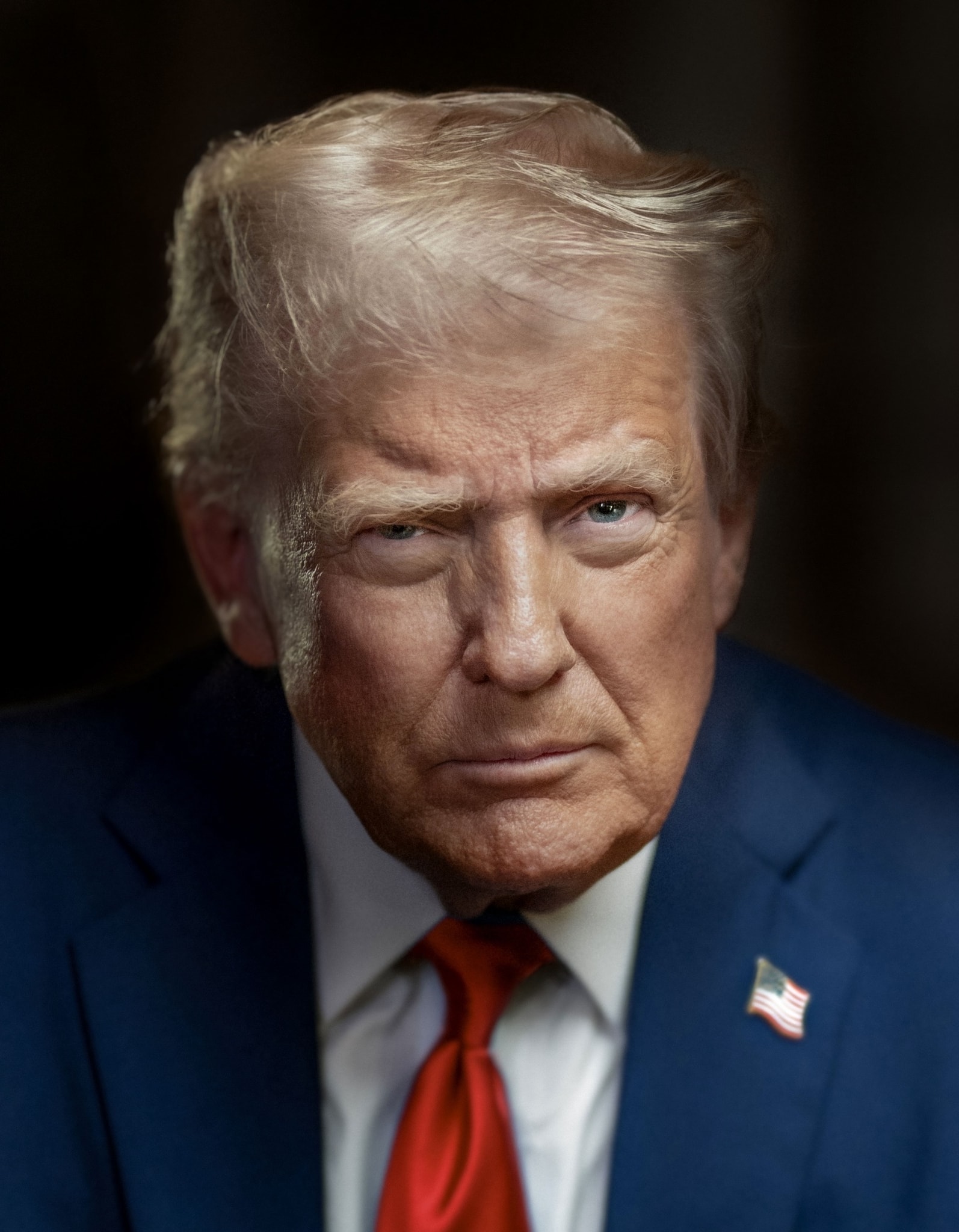
President Trump told reporters in the Oval Office that an executive order could be used to keep foreign intelligence surveillance authorities in place, after lawmakers did not enact a short-term extension of Section 702, according to a report from The Hill.
President Trump said in the Oval Office that he is considering whether to use an executive order to extend Section 702 of the Foreign Intelligence Surveillance Act after Congress failed to pass a temporary renewal of the authority, according to a report by The Hill on Thursday.
The Hill reported that when asked about the possibility of executive action, Trump responded, “Congress wants me to do it,” and added, “Let’s see what happens,” while discussing Section 702.
Section 702 is a congressionally authorized program under FISA that permits the government to conduct certain surveillance of non-U.S. persons under specified procedures. The program has historically required periodic renewal by Congress, and temporary extensions have been used to bridge gaps when lawmakers and the White House negotiate longer-term legislation, according to the reporting description of the situation.
In this case, the immediate issue is timing and continuity. With Congress not passing a temporary extension, Trump’s remarks indicate the administration is evaluating whether executive authority could be used to prevent an interruption to the program’s operation while a legislative pathway remains unresolved.
The White House’s next steps, as reflected in the report, would determine whether any executive order is issued and, if so, what mechanisms it would rely on and what changes, if any, it would make to the existing statutory framework. The legal and procedural effect of such an order would likely depend on how it interacts with FISA’s statutory requirements and oversight processes.
The public implications extend to the intelligence community’s operational planning and to congressional oversight of surveillance authorities. A shift from a legislated renewal to an executive mechanism, if pursued, would also raise questions about how long-term statutory obligations, judicial review, and compliance structures would be handled during the interim period.
If an executive action is taken, affected agencies would likely need to update internal compliance procedures and provide oversight and reporting according to applicable legal requirements. Any further legislative action by Congress would also shape whether the executive step is used as a stopgap or replaced by a new renewal law.
Why It Matters
- The continuity of Section 702 authorities can affect intelligence collection timelines and operational compliance planning across the government.
- A move from a congressional renewal to executive action, if pursued, would test the boundaries of statutory requirements and executive power under FISA.
- The episode turns on timing, because a missed temporary extension can create a gap that has to be addressed quickly by either legislation or executive action.
- Congressional oversight and legal review processes would remain central to how any executive step is implemented and justified.
Sources
Key Facts
- President Trump told reporters in the Oval Office that he is considering whether to issue an executive order related to Section 702 of FISA.
- The Hill reported that Trump linked the executive order idea to Congress’s failure to pass a temporary extension.
- Trump’s reported response included “Congress wants me to do it” and “Let’s see what happens.”
- The account centers on the question of how to maintain Section 702 authorities after Congress did not enact a short-term renewal.
- The report does not provide a formal text of an executive order or a confirmed timeline for issuance.