
THE APEX TIMES
Trump says he wants to delay Jay Clayton’s nomination as senators seek a fast confirmation for intelligence pick
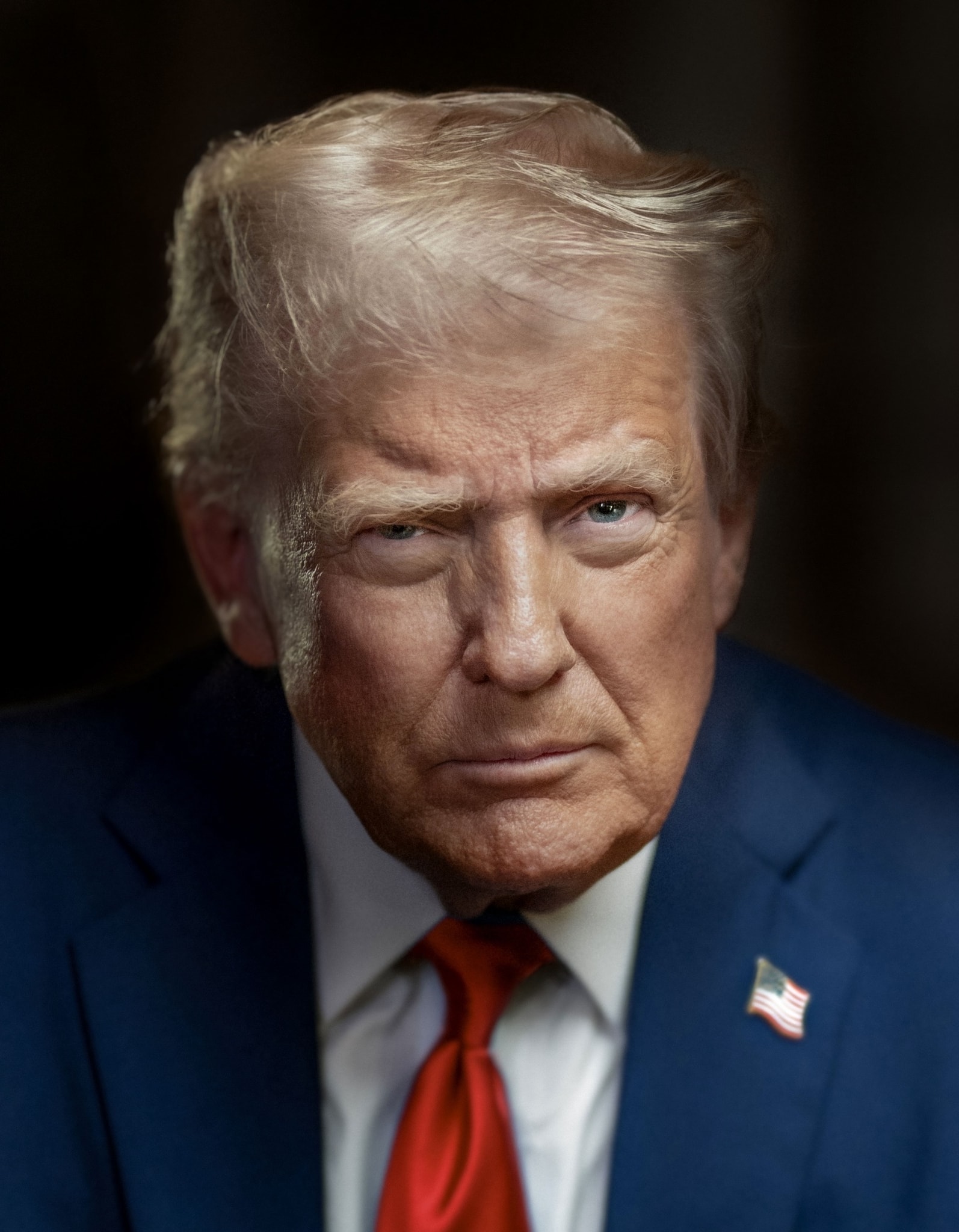
President Donald Trump called for postponing action on Jay Clayton’s nomination for Director of National Intelligence after lawmakers failed to pass voting legislation, NPR reported.
President Donald Trump has told senators that he wants to delay any move on his nomination of Jay Clayton to be Director of National Intelligence, NPR reported on June 17, as members of Congress push to accelerate the confirmation process.
NPR reported that Senate leaders and other senators had sought to fast track Clayton’s consideration, but Trump’s position is tied to the status of voting legislation already before Congress. According to NPR, Trump said he wants to wait until senators pass voting legislation that has already failed to clear the Senate.
The nomination would require Senate confirmation under the Intelligence Community’s statutory framework for the Director of National Intelligence, a role that coordinates intelligence across U.S. agencies. Under typical Senate practice, accelerated schedules can be set through procedural decisions, committee steps, and floor time allocation, but the pace of those steps depends on the White House and Senate leadership.
Trump’s request, as described by NPR, puts a legislative condition on the timing of an intelligence leadership appointment. The practical effect is that even if senators are prepared to move quickly, the administration’s preference can change when the Senate calendar aligns with the nomination, such as when hearings occur or when votes are taken.
The voting legislation referenced in the report was described by NPR as having already failed in the Senate. Trump’s message, as NPR characterized it, links intelligence nomination timing to the outcome of that separate legislative effort, making the fate of Clayton’s nomination partly contingent on whether the voting bill returns to passage.
If the Senate continues to pursue prompt consideration, senators could still hold hearings or take preliminary procedural steps, but any final confirmation vote would be subject to the administration’s stated request and the Senate’s schedule. The Senate’s next steps on Clayton’s nomination, including whether lawmakers maintain a timeline for consideration or shift it, will determine how long the Director of National Intelligence post remains governed by interim arrangements or acting leadership, where applicable.
Why It Matters
- The timing of a top intelligence post can affect how quickly intelligence coordination leadership is set for the permanent director role.
- By linking an intelligence nomination timetable to separate voting legislation, the move illustrates how congressional scheduling and legislative negotiations can spill into other oversight and confirmation processes.
- If the Senate maintains or abandons a fast-track approach, the next confirmation vote could move forward or stall based on administration-Senate coordination.
- The delay could extend reliance on acting leadership arrangements, depending on current statutory and administrative handling of the office.
Key Facts
- NPR reported on June 17 that President Donald Trump wants to delay action on Jay Clayton’s nomination for Director of National Intelligence.
- NPR said senators had sought to fast track Clayton’s confirmation.
- NPR reported that Trump tied the delay to whether senators pass voting legislation that already failed in the Senate.
- The Director of National Intelligence is an office requiring Senate confirmation for the permanent appointment.