
THE APEX TIMES
After a slow start at the plate, Victor Caratini’s batting line has climbed sharply in June, with the Twins pointing to mechanical adjustments as a turning point.
Victor Caratini is trending the right way for the Minnesota Twins, and the team is crediting a small change in approach and mechanics for the results. In a report from Phoenix, the Twins catcher was described as making a “small tweak” that has quickly shown up in his production at the plate. The immediate headline is the June jump in his hitting, with Caratini posting a.382 average in the month after beginning the season around.190.
The improvement has been reflected in his season number as well. Minnesota’s official team coverage places Caratini’s batting average at.231 at the time of the story, after his June surge narrowed the gap between early struggles and what the Twins expected when they added him. The context matters because catchers are routinely evaluated on more than just bat-to-ball results, but a steady offensive contribution can change how a roster is used day to day.
Caratini’s turnaround comes after the Twins signed him to a two-year agreement in January. That contract context provides the baseline for why a measurable uptick in performance is significant. With two seasons in mind, the club is looking for dependable production from a position that typically requires managing a demanding workload, including handling pitchers and daily game-calling responsibilities while also staying fresh enough to hit consistently.
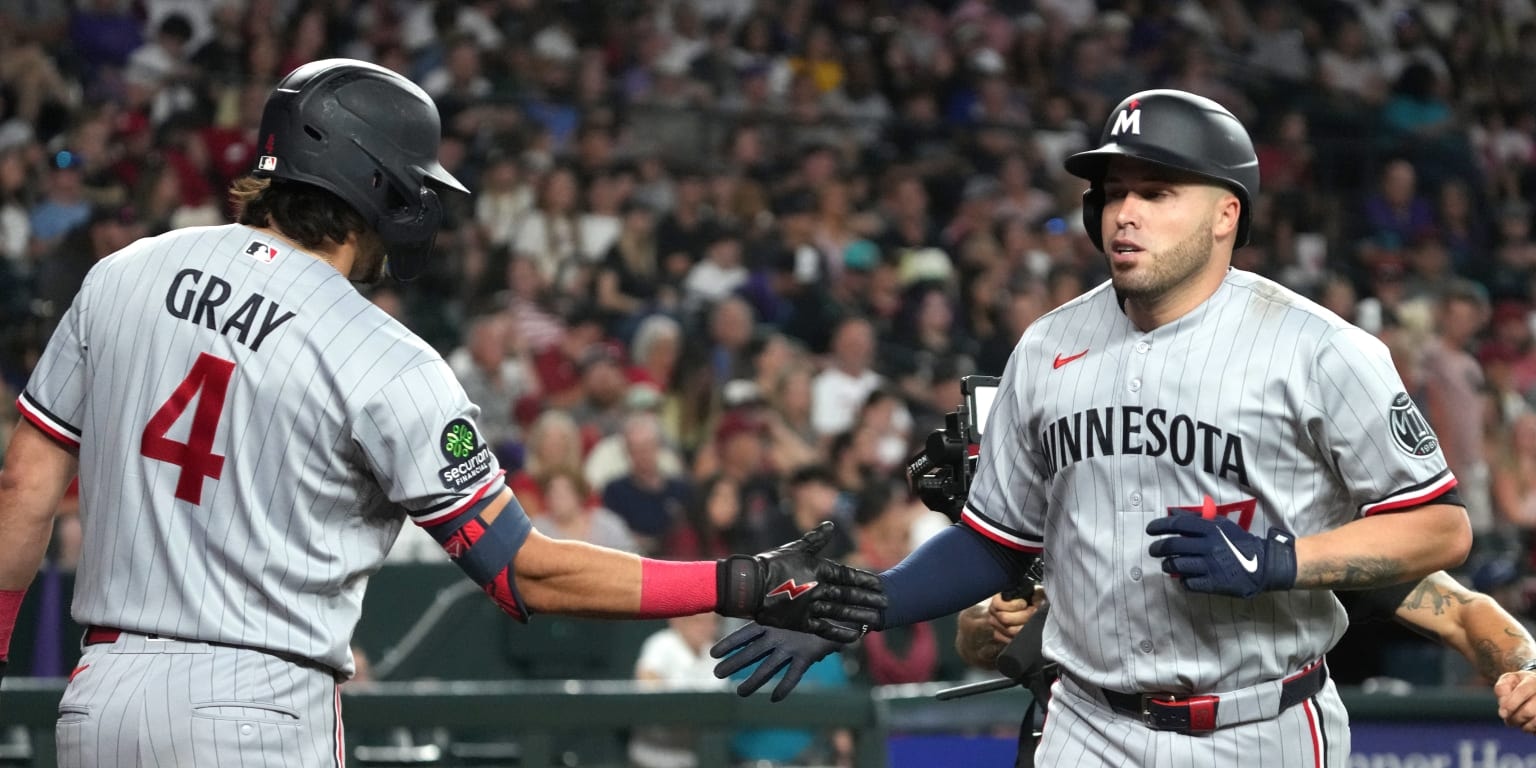
In the Phoenix game referenced in the team report, Caratini’s improved form showed up again with a home run, even though Minnesota’s result in that specific matchup was a loss to the Arizona Diamondbacks. The pairing of a home run with a stronger batting month helps explain why the mechanical adjustments narrative is resonating. It is also consistent with the idea that hitters often need time to translate changes into repeatable swings, especially when they are also absorbing the physical and mental demands of catching.
Minnesota’s report frames the story as more than a one-day outcome. The.382 average in June, coupled with the movement in his overall batting average to.231, suggests the adjustments were not simply a temporary hot streak. For a team, that distinction is important because a catcher’s bat can be a stabilizing factor in lineup construction, influencing where the player lands in the batting order and how frequently the club can rely on him in leverage situations against different pitching styles.
Looking ahead, the next question is whether the new mechanics can hold up as June turns into July, when scouting tends to sharpen and pitchers make targeted adjustments. Caratini’s current production is encouraging for Minnesota, but the Twins will be watching for consistency in at-bats, not only power flashes. If the “small tweak” continues to generate quality contact and run production, it strengthens the rationale behind the two-year commitment and gives Minnesota a clearer answer for how it wants its catcher to shape the offense over the long haul.