
THE APEX TIMES
Two Cubs-D-backs incidents raise questions about tempers and umpiring, but postseason picture likely stays the focus
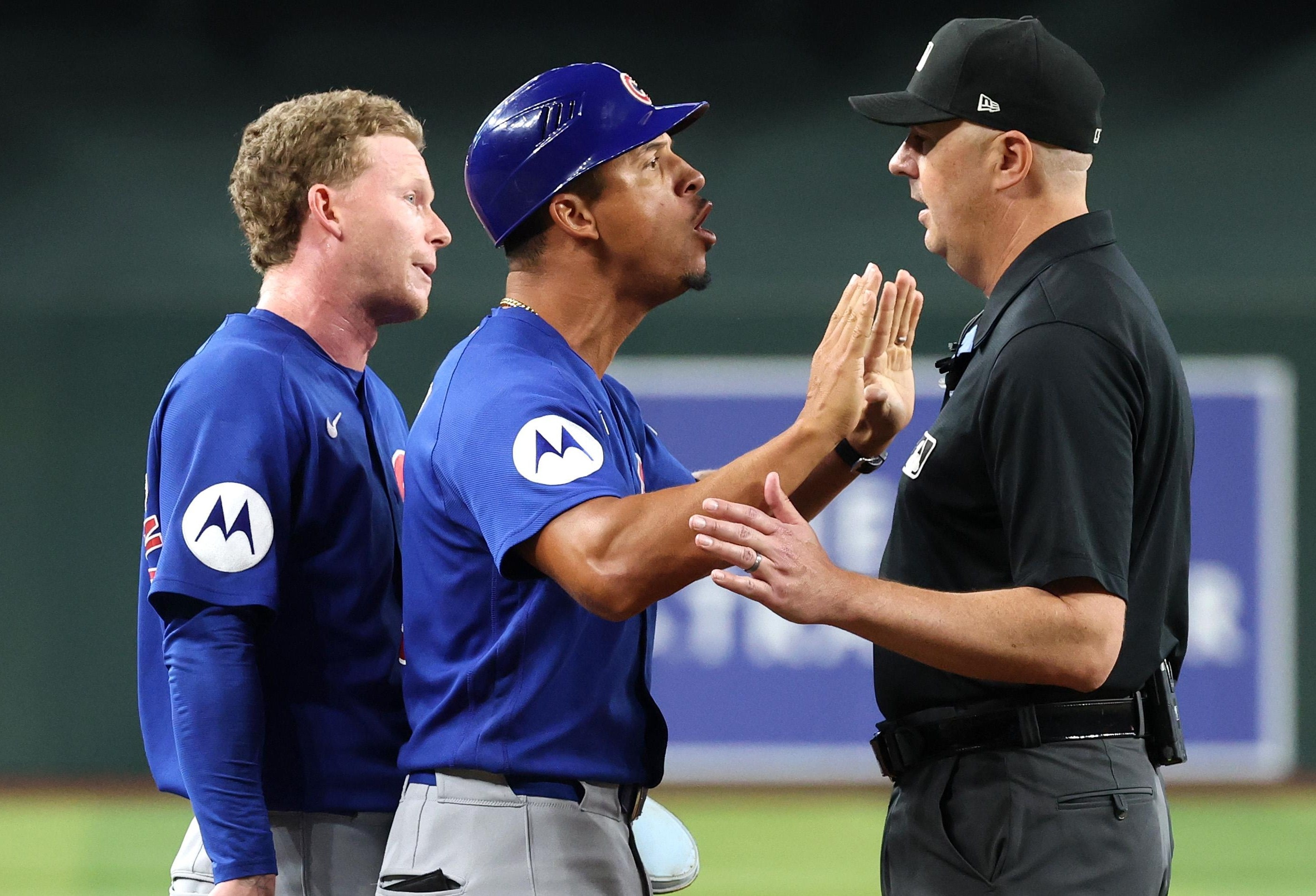
A scuffle between Chicago and Arizona and a separate dispute over an umpiring call highlighted how quickly a regular-season series can turn emotional. Still, the impact on the Cubs’ postseason path appears more psychological than mathematical.
The Cubs and Diamondbacks series produced two separate “kerfuffle” moments that, while different in character, shared a common theme, intensity. One incident flared during the week’s first meeting between the clubs, and a second disagreement emerged a couple of days later after Chicago took issue with a controversial umpiring decision.
According to the account published by Yahoo Sports on August 27, the teams got into it Monday, then the Cubs had a “correct!” beef with what the report described as a bad umpiring call on Wednesday. The fact that both incidents landed in the same stretch matters less for the final standings and more for what it indicates about how these games can slip away from clean execution, especially when teams are already under pressure to separate themselves in the playoff chase.
In MLB, disputes like these rarely change the strategic baseline of a series, but they can change the texture of the at-bats and innings that follow. Managers, players, and umpires all operate within a rules environment designed to keep games moving and limit escalations. When a disagreement turns public or prolonged, the immediate risk is that the next pitch becomes a referendum on the argument rather than the matchup. That can affect focus, pitching decisions, and even base-running timing, particularly late in games where every out and every pitch count.
The second incident in the Yahoo Sports recap was an umpire decision that the Cubs disputed, with the column arguing the call was wrong. While MLB does have mechanisms intended to review certain types of plays, the league’s ability to correct an umpire judgment on the field is narrower than many fans assume. That gap between what teams want fixed and what can actually be reviewed is a frequent source of frustration, and it is why an umpiring dispute can feel outsized to players even when it does not ultimately swing outcomes.
The Cubs’ posture in these moments also reflects the broader stakes of late August baseball. The report frames the incidents as unlikely to matter much to Chicago’s postseason chances, implying that any single call or scuffle is not expected to become a season-defining swing. That perspective matters, because the playoff picture is built from accumulation, not from one evening of chaos. Still, teams chasing postseason berths often insist that they cannot afford to lose discipline, because even small edges can be hard to recover over a long final month.
For the Diamondbacks, the key context is similar. When a game turns into a back-and-forth between benches or players, the opponent often gains an emotional advantage if it responds with sharper execution rather than matching the temperature. Conversely, if the club that receives the shove can settle quickly, it can prevent the narrative from overtaking the innings that decide games.
What to watch next is whether either team carries the intensity forward in ways that show up in baseball terms, not just clubhouse terms. That means looking for sharpness after controversial moments, including whether pitchers and hitters refocus quickly, and whether the teams keep their conduct in check when the series moves on to other opponents. The series may not rewrite the Cubs’ postseason math, but it can still affect how the Cubs and Diamondbacks handle pressure in the games that will.
Why It Matters
- Emotional disruptions can affect in-game focus, which can influence at-bats and pitching sequences even when the final standings remain unchanged.
- Umpiring disputes highlight the limitations and frustrations of what can be reviewed during MLB games.
- For a team in a postseason chase, discipline and quick recovery after controversy can matter as much as the controversy itself.
Key Facts
- The Cubs and Diamondbacks had an on-field dispute Monday during the series.
- On Wednesday, the Cubs disputed an umpiring call, which Yahoo Sports described as a bad call.
- Both incidents were discussed in a late-August column assessing the series’ two “kerfuffles.”
- The column’s conclusion was that the incidents probably will not matter much to the Cubs’ postseason chances.