
THE APEX TIMES
UCF offensive coordinator Steve Cooper zeroes in on offensive line fixes for 2026
With the Knights’ path back to bowl contention tied to creating more consistent protection and run-game rhythm, Steve Cooper says the focus for 2026 is getting the offensive line “in sync.”
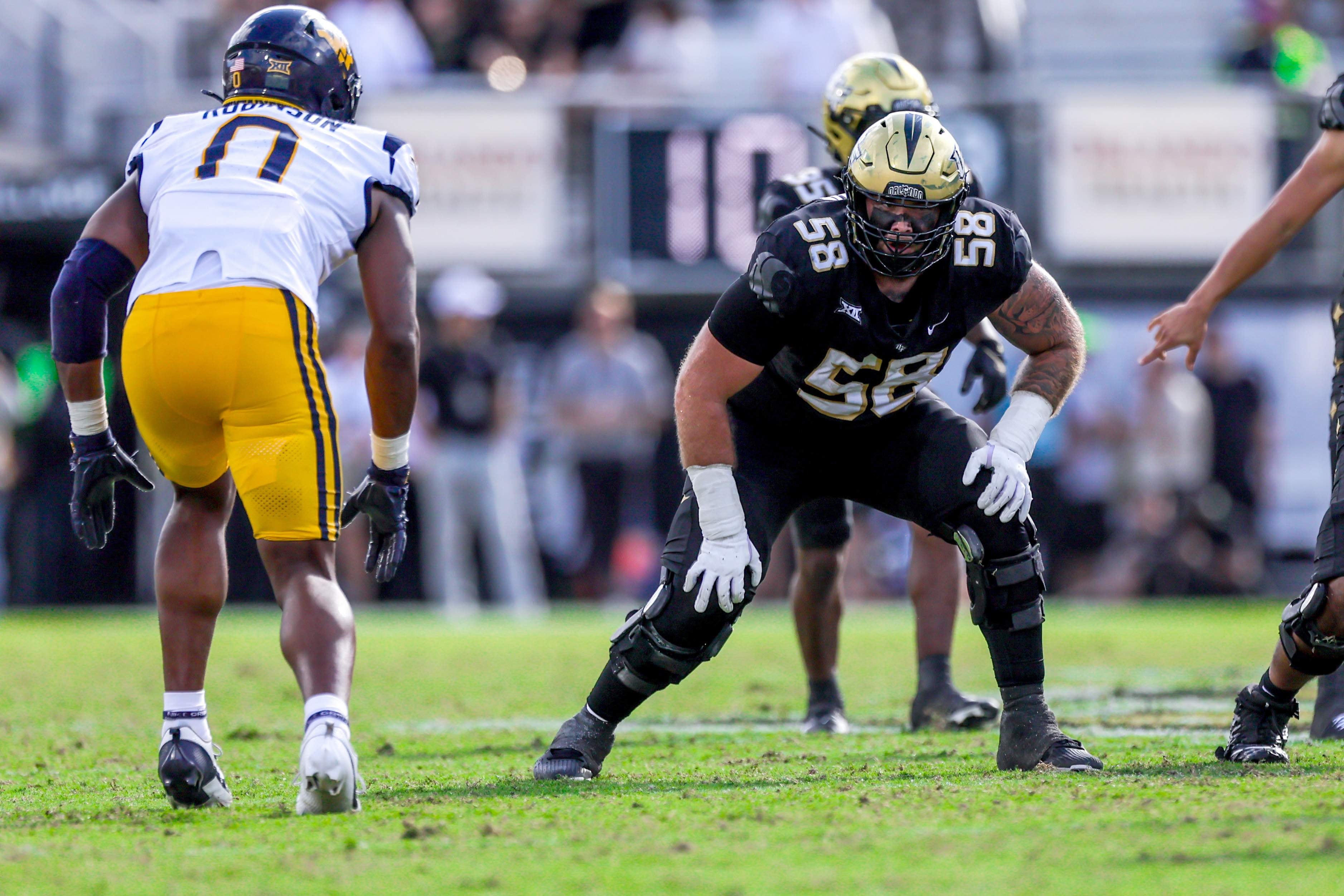
UCF head into the 2026 season with a familiar refrain from within the program, the Knights’ offensive line must be better in order for the offense to function at its intended level. Offensive coordinator Steve Cooper has framed the offseason and spring-to-fall work around one priority: solving the unit’s cohesion and consistency problems, a theme that became especially important after the 2025 campaign exposed major strain up front.
In his comments covered by Yahoo Sports, Cooper acknowledged how the quarterback position at times drew the most attention, but he pointed to the offensive line as the larger structural issue. In his view, even a talented skill group can struggle when the line cannot reliably create lanes, sustain blocks, and give the quarterback time or clean progressions. The emphasis, he said, is on synchronization, an area that can take time to correct because it depends on communication, assignment accuracy, and consistent technique across the entire group.
The Knights’ internal task for 2026 is straightforward in description but difficult in execution: build a line that can operate as a unit, not a collection of individual players. Cooper’s comments suggest the coaching staff is treating the line as a foundational part of the play-calling ecosystem. When protection and the run game are working, the offense tends to simplify. When they are not, every call becomes harder, because the quarterback has less time and the run backs hit more resistance earlier in each play.
For UCF, the stakes are also clear. Returning to bowl eligibility generally requires a sustained level of execution, particularly on offense. With conference play tightening margins, games are often decided by small stretches where one side consistently wins its matchup. Cooper’s message indicates the staff believes those stretches start at the line, where repeated success can reduce pressure on the passing game and make play design more flexible.
The broader context is that a heavy offseason focus on the offensive line often reflects how preseason plans meet in-game reality. If the line is frequently forced into emergency reads, awkward footwork, or last-second adjustments, it can ripple into third-down conversion rates and red-zone efficiency, even when playmakers are present. Cooper’s emphasis on getting the unit “in sync” implies a process of refining both fundamentals and chemistry, so the offense can move from reactive football to planned football.
What to watch next for UCF is how quickly the offensive line’s communication and execution show up on the field as the team transitions from camp work to live-game preparation. If the line is functioning the way Cooper is describing, you would expect more stable pocket behavior on passing plays and cleaner run trajectories early in downs, which usually allow coordinators to widen the playbook. The coaching focus on 2026 offers a clear lens for evaluating progress as preseason practices develop.
Why It Matters
- An improved offensive line can stabilize both pass protection and the run game, which typically increases a team’s third-down efficiency and red-zone consistency.
- If UCF finds line cohesion, the offense can operate with more predictable timing and less quarterback improvisation, reducing turnovers and stalled drives.
- For a program targeting a return to bowl eligibility, the offensive line is a high-leverage unit that often determines whether games are decided by execution or by matchup stress.
- The 2026 evaluation will likely hinge on how the line looks in live situations, not just in drills, because “sync” is most visible under pressure.
Key Facts
- UCF offensive coordinator Steve Cooper is prioritizing fixes to the Knights’ offensive line ahead of the 2026 season.
- Cooper said the quarterback position drew attention at times, but the offensive line was a major issue in 2025.
- The staff is aiming to get the offensive line “in sync” to improve overall offensive performance.
- Cooper’s comments were reported by Yahoo Sports on August 18, 2026.
- The underlying goal is to help UCF get back to bowl contention by improving offensive execution up front.