
THE APEX TIMES
UFC Sacramento’s Fight-Night Aftermath Puts Winners’ Relief and Losers’ Reflection on Center Stage
A UFC Fight Night 285 stop in Sacramento turned into a public emotional ledger, with athletes processing victory and defeat in real time and fans following the reactions across modern MMA platforms.
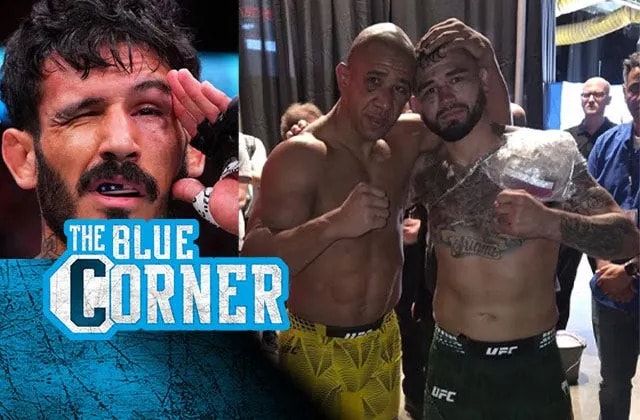
UFC Fight Night 285 in Sacramento delivered the expected goods in the cage, but the story did not end with the final bell. In the hours and days after the event, the focus shifted to how fighters framed their own outcomes, leaning into the thrill of winning and the sting of losing as they re-entered the public conversation.
In coverage of the event’s aftermath, Yahoo Sports described a split-screen effect: winners generally used their platforms to absorb the moment and validate the work it took to get the finish or the nod, while losers were left to explain what went wrong and how they will respond. The publication’s framing also emphasized how quickly the post-fight narrative takes shape now, not just through official UFC media, but through fighters’ own posts and the rapid cycle of fan commentary.
The fight community’s attention, according to the same report, has long been shaped by more than mainstream sports media. MMA’s rise as an industry, the article notes, has been sustained through a patchwork of sites, forums, and especially social media, where fans share clips, debate stoppages, and push for rematches or rankings based on what they saw that night.
That ecosystem matters because it amplifies the emotional stakes of a single card. A win can create momentum that spreads far beyond the arena, while a loss can become a reference point for future matchups and for how audiences interpret a fighter’s trajectory. Even without changing the official results themselves, the reaction cycle can affect how quickly a fighter is discussed as a contender or how long they are judged as “still learning” at elite level.
For fighters, these public responses carry practical meaning too. A win framed as a step toward bigger fights can help reinforce a brand and expectations, while a loss handled with accountability can preserve credibility with fans even when criticism is loud. Conversely, an overly defensive tone can become its own storyline, one that travels just as fast as highlight reels.
Looking ahead, the key thing to watch after any Fight Night is whether the emotional framing becomes a match-making narrative. Does a winner’s message align with calls for a rematch or a step up in opponent quality, or do they pivot toward the next opponent the UFC assigns? And for the fighters on the losing end, do their comments point toward adjustments in camp, a targeted return time, or a different tactical identity the next time they step in?
What the Sacramento aftermath underscores is that UFC events now play out in two arenas at once: the one with gloves and cages, and the one with timelines. The thrill and agony may be personal, but in modern MMA, they are also public, processed in real time, and recycled by a fan base that treats every result like the next installment in a continuing saga.
Why It Matters
- MMA’s public narrative moves quickly, and how fighters discuss outcomes can influence how audiences and match-making narratives form between events.
- The sport’s industry growth is closely tied to online discussion, meaning fan reaction can extend the impact of a single card.
- Public processing of victory and defeat can affect a fighter’s brand and how they are perceived going into the next matchup.
- The post-fight reaction cycle is increasingly a second competitive environment, with fighters, fans, and media all contributing to the story.
Key Facts
- Yahoo Sports’ post-event coverage discusses reactions from UFC Fight Night 285 in Sacramento, focusing on the emotional contrast between winners and losers.
- The article connects the modern MMA narrative cycle to the sport’s growth through online forums, websites, and social media.
- The coverage describes how fighters and fans shape the aftermath quickly after the event concludes.
- The report frames the “thrill” and “agony” as part of the broader UFC cultural cycle, not just the in-cage result.