
THE APEX TIMES
Umpire Manny Gonzalez leaves Padres-Reds game in Cincinnati after heat exhaustion
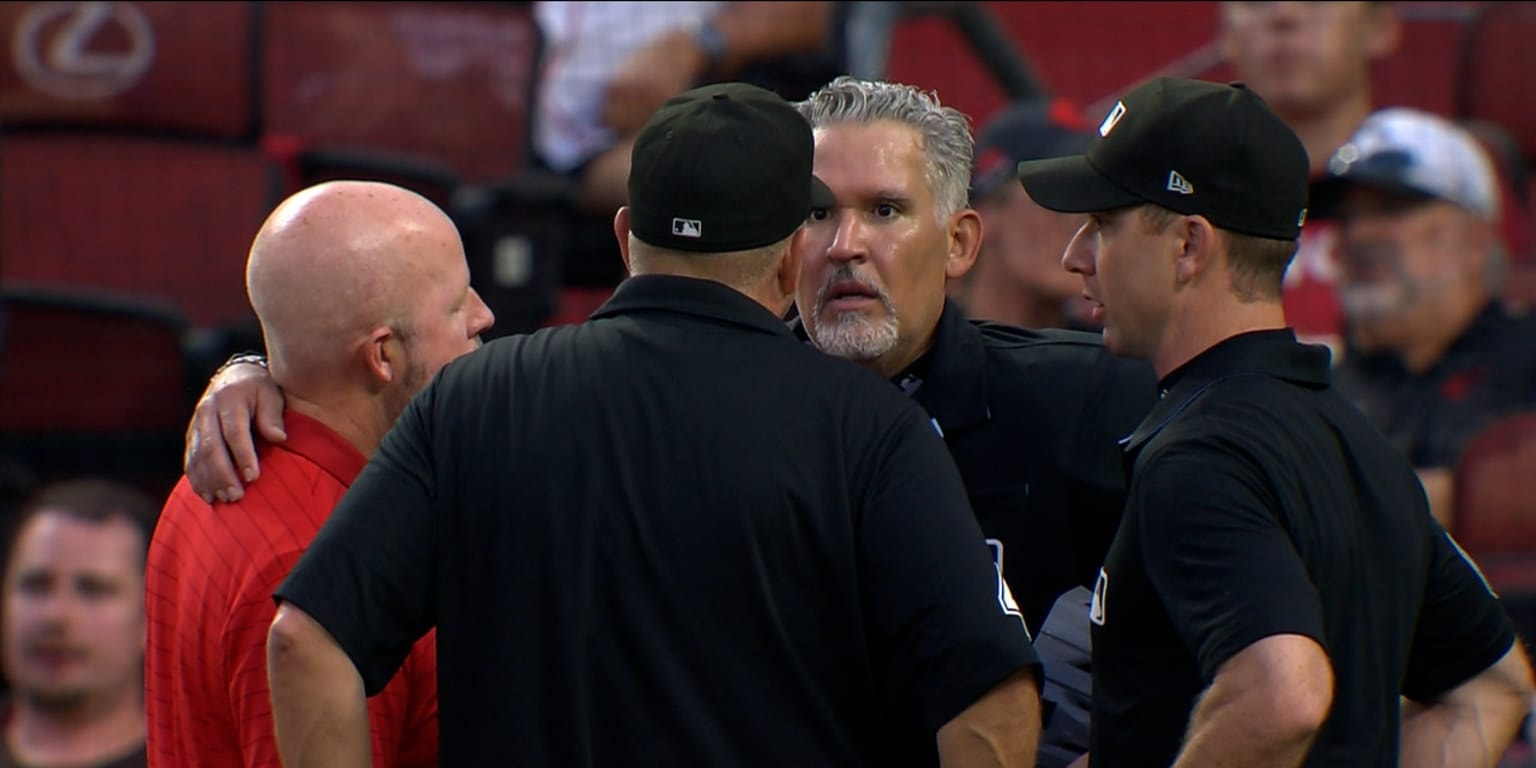
Home-plate umpire Manny Gonzalez exited the series opener after appearing to experience medical distress, prompting a delay at the start of the fifth inning, MLB said.
CINCINNATI. A veteran home-plate umpire, Manny Gonzalez, left the Padres-Reds game on Monday after medical distress related to the heat, forcing a brief delay before play resumed. According to MLB, Gonzalez’s exit came after he appeared to be in distress, and the stoppage extended until the start of the fifth inning.
The delay was notable because it interrupted the normal rhythm of the contest during a point of the game when pitchers and hitters often settle into their matchups. Instead, the series opener paused as officials handled Gonzalez’s situation and prepared for his replacement behind the plate.
MLB’s report identified umpire supervisor Randy Marsh as the source of the key explanation for why Gonzalez departed: heat exhaustion. In practical terms, heat exhaustion is associated with the body’s inability to regulate temperature efficiently, especially during sustained exposure and physical exertion, and it can escalate quickly if symptoms worsen.
For the remainder of the game, the officiating assignment shifted away from Gonzalez’s plate work. MLB did not suggest any on-field rule changes or adjustments beyond the personnel switch, but the practical impact is straightforward: any change in an umpire can subtly affect how the strike zone is called from at-bat to at-bat, even when crews aim for consistency.
The setting in Cincinnati matters because late-summer weather can place added strain on everyone on the field, not only players but also the crew doing the work in close proximity to the action. That includes umpires, who spend extended stretches in the same area of the ballpark tracking live play, positioning themselves for pitches, and responding to runners and base plays.
Because Gonzalez was replaced on the game’s officiating crew, the immediate storyline became less about the teams’ strategic plans and more about the operational need to ensure the safe continuation of the contest. MLB’s characterization of the episode as heat exhaustion framed it as a health concern rather than a performance issue.
Looking ahead, the key watch for the Padres and Reds will be how quickly normal cadence returns to that plate position. Even when there is no formal follow-up announced, teams and broadcasters typically monitor whether the replaced umpire maintains a similar approach to the strike zone and whether any resulting adjustment shows up in pitch selection or at-bats at the margin.
For MLB, the incident also sits within a broader pattern of how professional sports manage heat risk during long outdoor stretches. The league’s prompt explanation and the time-to-resume window at the start of the fifth inning were a reminder that, in extreme heat, game management can hinge on safety first.
Why It Matters
- Umpire changes can affect the feel of the strike zone, which can influence hitter-pitcher matchups for the rest of the game.
- The stoppage highlights how weather and heat risk can directly impact the timing and flow of major league contests.
- For both teams, the priority becomes adapting to the officiating personnel shift while maintaining game plans during an in-game interruption.
- The incident underscores MLB’s emphasis on safety procedures for on-field officials when medical concerns arise.
Key Facts
- MLB reported that home-plate umpire Manny Gonzalez exited the Padres-Reds game in Cincinnati after appearing to experience medical distress.
- MLB said the departure was due to heat exhaustion.
- The game was delayed for several minutes before play resumed at the start of the fifth inning.
- Umpire supervisor Randy Marsh was cited by MLB as the source for the explanation of Gonzalez’s exit.