
THE APEX TIMES
USC plots improved crowds after quiet early-season look as Lincoln Riley enters Year 5
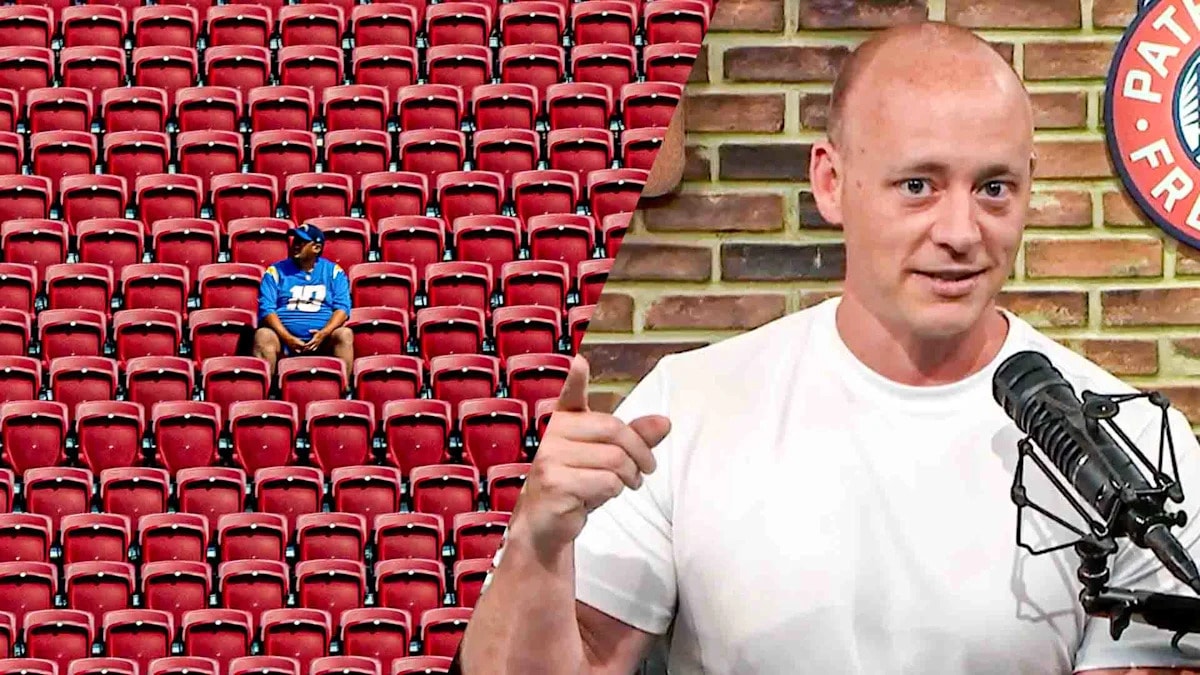
After a Saturday opener drew visible empty seats at the Los Angeles Memorial Coliseum, USC indicated it expects stronger attendance for the remainder of the season under Lincoln Riley’s program-building push.
USC is looking to change the optics of its season after a Saturday opener at the Los Angeles Memorial Coliseum that drew swaths of empty seats. The visible lack of crowd density became an immediate talking point, not because USC’s season is supposed to live or die by attendance alone, but because the Trojans’ home environment is part of the brand they sell to recruits, recruits’ families, and the broader college football audience that follows USC like a weekly television property.
In the same window, Lincoln Riley has framed USC’s current phase as one that is ready to compete for championships, using language meant to communicate that the program is no longer in a rebuilding-only identity. At Big Ten media days last month, Riley described USC as more equipped than at any point in the previous few years to compete for and win championships, a line designed to set expectations and to reinforce the idea that USC’s floor should rise even while the roster continues to take shape.
The connection between those two storylines, quiet opener crowding and Riley’s championship messaging, is exactly why attendance has become a pressure point. USC’s plan, as reported after the opener, is to pursue increased attendance for the rest of the season, turning what looked like a stagnant Saturday into a prompt to build momentum week to week. That is especially relevant for a team navigating a long-form conversion from one era of expectations to another, even as USC continues to operate under the spotlight that comes with being one of college football’s most storied programs.
Riley’s public stance at media days matters because it sets how USC will be evaluated. Coaching language about being equipped to win championships does not guarantee a result on the scoreboard, but it does create an implied standard for urgency and performance. When a team’s early-week visibility includes empty sections at the Coliseum, the practical question becomes whether USC can turn on-field execution into renewed demand, and whether the crowd trend changes before the season’s most significant home dates arrive.
There is also a competitive layer to the timing. USC now belongs to the Big Ten, and the conference’s media days, national narratives, and brand competition are built around how marquee programs project strength. If USC’s early-season home atmosphere stays flat, it can become another form of noise, regardless of whether the on-field product is ready yet. If, instead, the crowd grows as the season progresses, USC can reinforce its status as a national event even when the schedule becomes more demanding.
Still, it is important to keep the picture grounded. The reported information centers on visible attendance at a single opener and on USC’s intention, as articulated in the aftermath, to push for higher turnouts later in the season. Without additional details on the opener itself, including kickoff time factors, weather, or how many fans were expected compared to what arrived, it would be premature to treat the empty-seat look as a definitive conclusion about the season’s trajectory.
Why It Matters
- Home-crowd energy is part of USC’s recruiting and brand identity, and a quiet opener can shape early perceptions around momentum.
- Riley’s championship messaging sets a higher expectation bar, and attendance can become an additional storyline that fans and media use to judge progress.
- In the Big Ten era, USC’s national exposure is tightly tied to marquee moments, including whether the Coliseum feels like a premier venue on game day.
Key Facts
- USC’s season opener at the Los Angeles Memorial Coliseum included visible empty seats, according to the reporting.
- The report describes USC as preparing to pursue increased attendance for the remainder of the season.
- Lincoln Riley, entering his fifth year leading USC, spoke at Big Ten media days about USC being “more equipped than at any point in the previous few years” to compete for and win championships.
- The reporting connects the opener’s attendance picture with Riley’s championship framing as USC works to build expectations around the program.