
THE APEX TIMES
Utah Jazz’s preseason opens against a loaded NBA slate
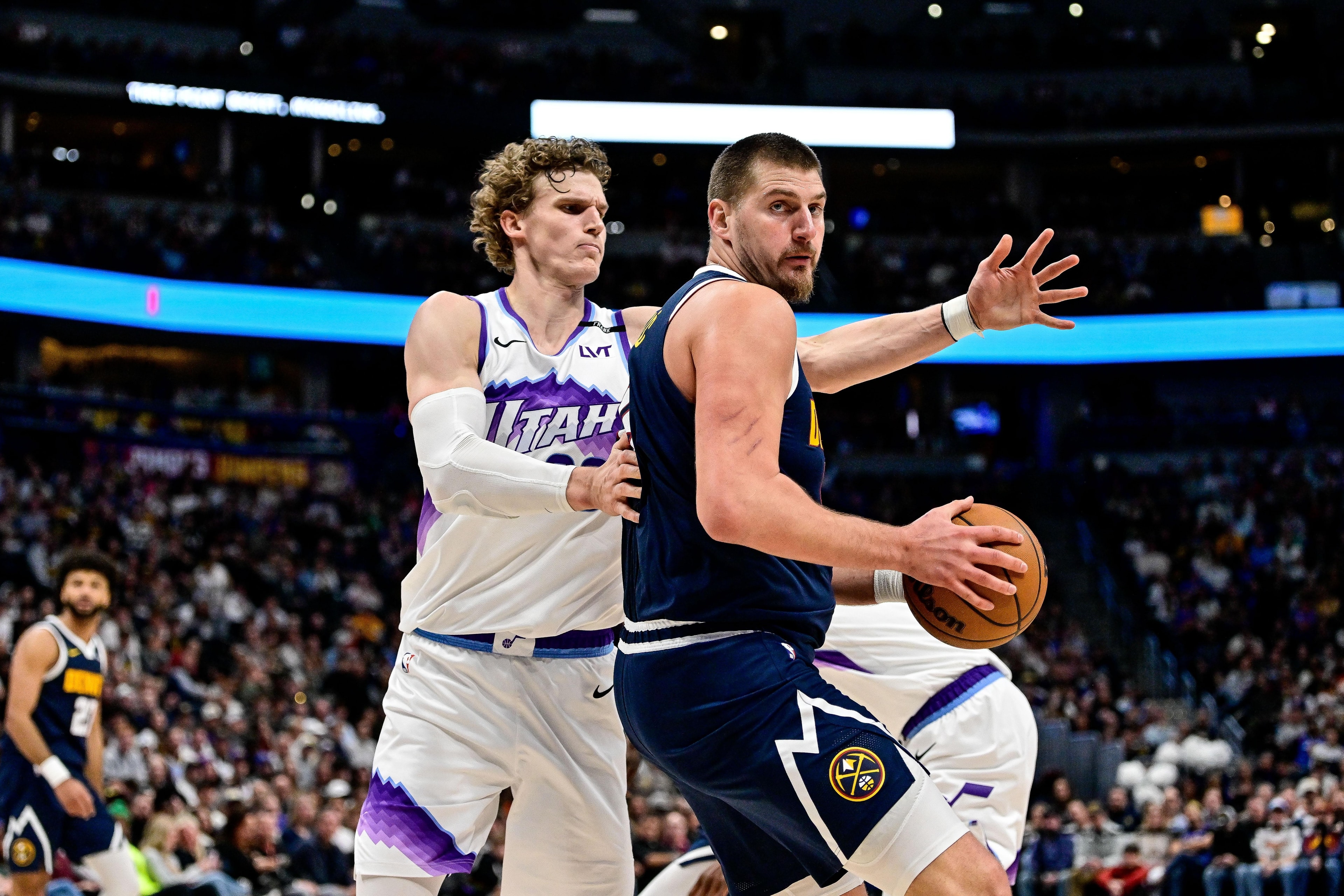
With the NBA regular season still months away, Utah’s first look at its latest rotation is coming with a tougher-than-usual backdrop, as the Jazz’s early preseason tests are set up against teams built around marquee talent.
The Utah Jazz will get their first extended look at a “new-era” team in the NBA preseason, and the league’s calendar is already offering a harsh lesson in timing: the Jazz’s earliest games are positioned as more than routine tune-ups, with opponents expected to bring prominent, star-level players to the floor.
The point is not that preseason games decide anything in the standings. The point is that the Jazz’s early work will come under higher pressure than a typical opening-week slate, because opponents are likely to feature their most impactful scorers, creators, and defenders as teams establish identity before the regular season begins. In other words, Utah is not being handed a soft landing to find rhythm.
Preseason games are commonly where coaching staffs test rotations, evaluate line combinations, and see how different lineups respond to game-speed pressure. For Utah, that evaluation matters because the Jazz have a specific operational goal for the exhibition stretch: turn experimentation into repeatable habits. When opponents bring their best offensive threats and defensive structures, the Jazz’s spacing decisions, transition coverage, and half-court communication are tested sooner than they would be against lesser lineups.
That challenge shows up immediately in the preseason narrative. Utah’s first peek at the franchise’s current direction is framed as a matchup problem, not just a scrimmage environment. The Jazz’s exhibitions are being set up so that the early games include some of the NBA’s biggest stars, which can change how everyone plays: teams tend to treat the court like a sharper version of regular-season basketball, even if minutes and roles remain fluid.
For Jazz supporters, the value of these matchups is clarity. The preseason can expose whether a team’s foundational details hold up when shot quality rises and defensive assignments tighten. Utah’s performance in these games is less about the final score and more about what the Jazz learn when they are forced to defend pick-and-roll actions at full tempo, contain top-end creators in isolation, and navigate possessions where the offense is not operating with the same “practice margins” that teams sometimes allow in looser exhibitions.
There is also a practical side to why this matters now. The early part of the preseason typically has outsized influence on who gets trusted with longer runs and who is asked to refine specific skill sets. When Utah faces opponents with major talent right away, the coaching staff’s decisions about rotations and role definitions are likely to be shaped by evidence gathered under more realistic competitive stress.
What to watch next for the Jazz is simple: do the lineup combinations hold together defensively when stars are on the floor, and do the Jazz keep their offensive actions clean when games speed up. If Utah can limit easy scoring chances and keep decision-making organized, preseason becomes a platform for confidence rather than a series of learning experiences. If not, the Jazz will have to adjust the same fundamentals quickly before the regular season starts, when experimentation becomes far more limited.
Why It Matters
- Early preseason matchups can accelerate a team’s learning curve, especially for defensive communication and spacing decisions.
- Rotations and role clarity often crystallize faster when a team is tested by elite offensive creators.
- If Utah’s fundamentals hold against star-level opposition, it provides a stronger foundation for regular-season consistency.
Key Facts
- The Utah Jazz’s preseason is expected to include early games against opponents featuring prominent NBA talent.
- The storyline is framed around the Jazz’s “new-era” look, with Utah’s first extended tests coming sooner than a typical opening stretch.
- Preseason games function as evaluation opportunities for rotations and habits rather than results that affect regular-season standings.
- Facing marquee players early generally raises the competitive speed and stress level for both on-ball defense and half-court organization.