
THE APEX TIMES
Utah’s two-quarterback identity aims to unsettle defenses and expand postseason possibilities
The Utes’ two-QB look is built to force defensive staffs into constant adjustments, complicating film-based game planning and creating openings through unpredictability.
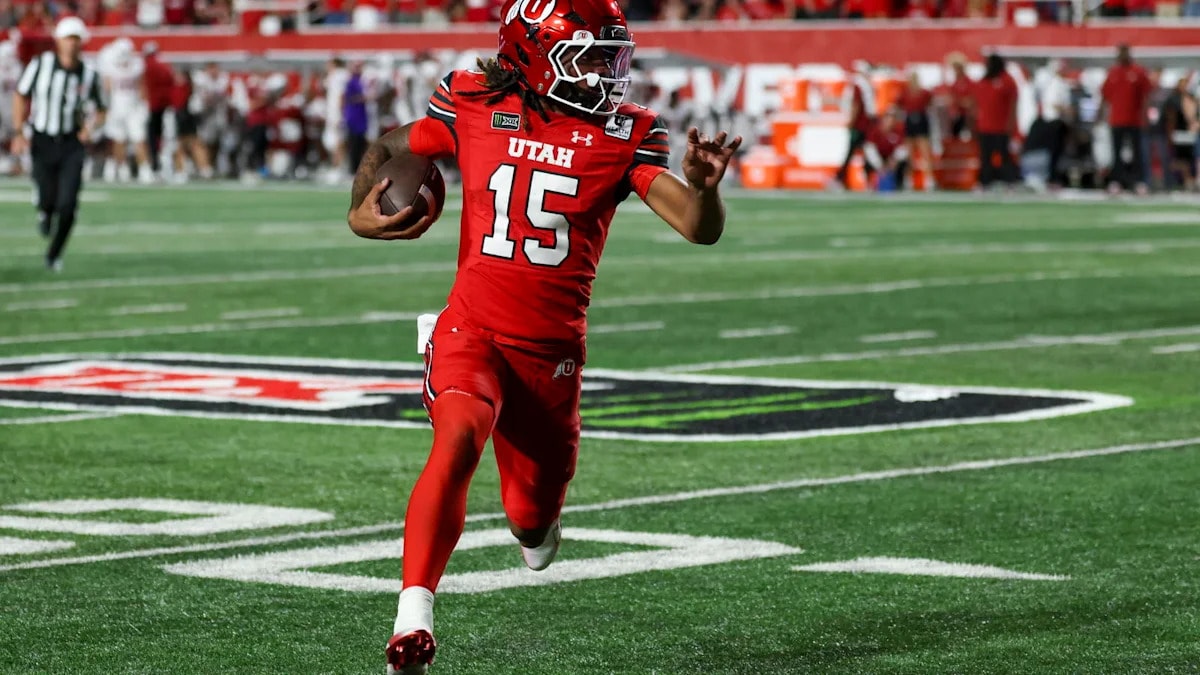
Utah’s offense is leaning into a dual-quarterback structure that is designed less around a single weekly script and more around ongoing uncertainty for opponents. In college football, defenses are built on film study and pattern recognition, with game plans intended to eliminate an opponent’s clearest, most repeatable threats. The Utes’ approach, as outlined in a recent report, is to reduce the value of those tendencies by alternating looks that keep defensive coordinators from settling on one consistent answer.
The idea is straightforward: when the offensive identity shifts between two capable passers, the defense’s staffing and coverage rules can be tested from multiple angles. A two-quarterback scheme can change how defenses anticipate the pocket, the decision-making tempo, and the balance between throwing and designed runs. That can be particularly disruptive when defenders have to coordinate responsibilities that normally assume one primary quarterback and a predictable set of tendencies.
The chess match extends beyond quarterback play itself. When a team uses two different operators, it can also influence how the offense calibrates protection schemes, route combinations, and run fits, even if the play caller is drawing from the same base package. For a defensive staff, that means longer in-game calculations, more emphasis on pattern recognition by situational cues, and a higher chance that a defender will be late to the correct assignment when the look changes.
Utah’s postseason framing in the report is tied to the cumulative advantage of forcing those late decisions. The offensive goal is not just to produce isolated plays, but to make it harder for a defense to “win the week” during practice by identifying a single vulnerability. If the Utes can keep defenses adjusting, they can turn what would otherwise be a controlled matchup into a series of improvisations for the opponent, especially during high-leverage drives when communication and discipline are tested.
Still, the operational challenge of any two-quarterback system is that it requires consistent execution and clear situational understanding. Even when both quarterbacks are talented, offenses must avoid turning unpredictability into confusion, and defenses can sometimes settle into a read of what is actually being asked. The effectiveness of Utah’s approach will likely be measured not only by big plays, but by whether the scheme sustains tempo and accuracy as defenses adapt across quarters.
Going forward, the key question for Utah is how the offense manages clarity while preserving its disruptive intent. If Utah can blend the two-QB look into a stable rhythm, it can give the Utes an edge in matchups where opponents are used to dictating terms through film and preparation. If it becomes erratic, the same unpredictability can turn into wasted downs. Either way, the framework described in the report points to a team building its identity around decision-making pressure, which is a theme that tends to matter most when the postseason removes room for error.
For fans, the most telling indicator will be how defenses respond over multiple drives. Watch whether opponents can simplify their coverage or rush plan against Utah’s alternation, or whether they are forced into persistent recalibration that opens intermediate passing lanes and leaves gaps for run production. In a playoff environment, where game plans are tightened and adjustments are expedited, the team that best controls the matchup’s mental load usually gets the advantage late.
Why It Matters
- A two-quarterback identity can change the matchup calculus for future opponents, particularly in October-to-November games that shape postseason positioning.
- If Utah’s approach prevents defensive staffs from settling into a single plan, it can create more reliable scoring chances across multiple drive types.
- The strategy’s value increases in the postseason, where game plans are scrutinized, and in-game adjustments determine outcomes.
- Success with a dual-quarterback scheme can also shape how opponents recruit and prepare defensively for next season, because it alters what “tendencies” they expect to see.
Key Facts
- A recent report described Utah’s offense as using a two-quarterback, dual-threat structure to create unpredictability for opposing defenses.
- The article frames the strategy as a way to counter film-based game planning that defenses rely on to remove key offensive threats.
- The core premise is that alternating quarterback looks can change defensive responsibilities and reactions, making assignments harder to execute consistently.
- The report connects the two-QB approach to the possibility of a deep postseason run by keeping opponents in constant adjustment mode.