
THE APEX TIMES
Utah Utes hope 2026-27 marks a real reset after a tough Big 12 stretch
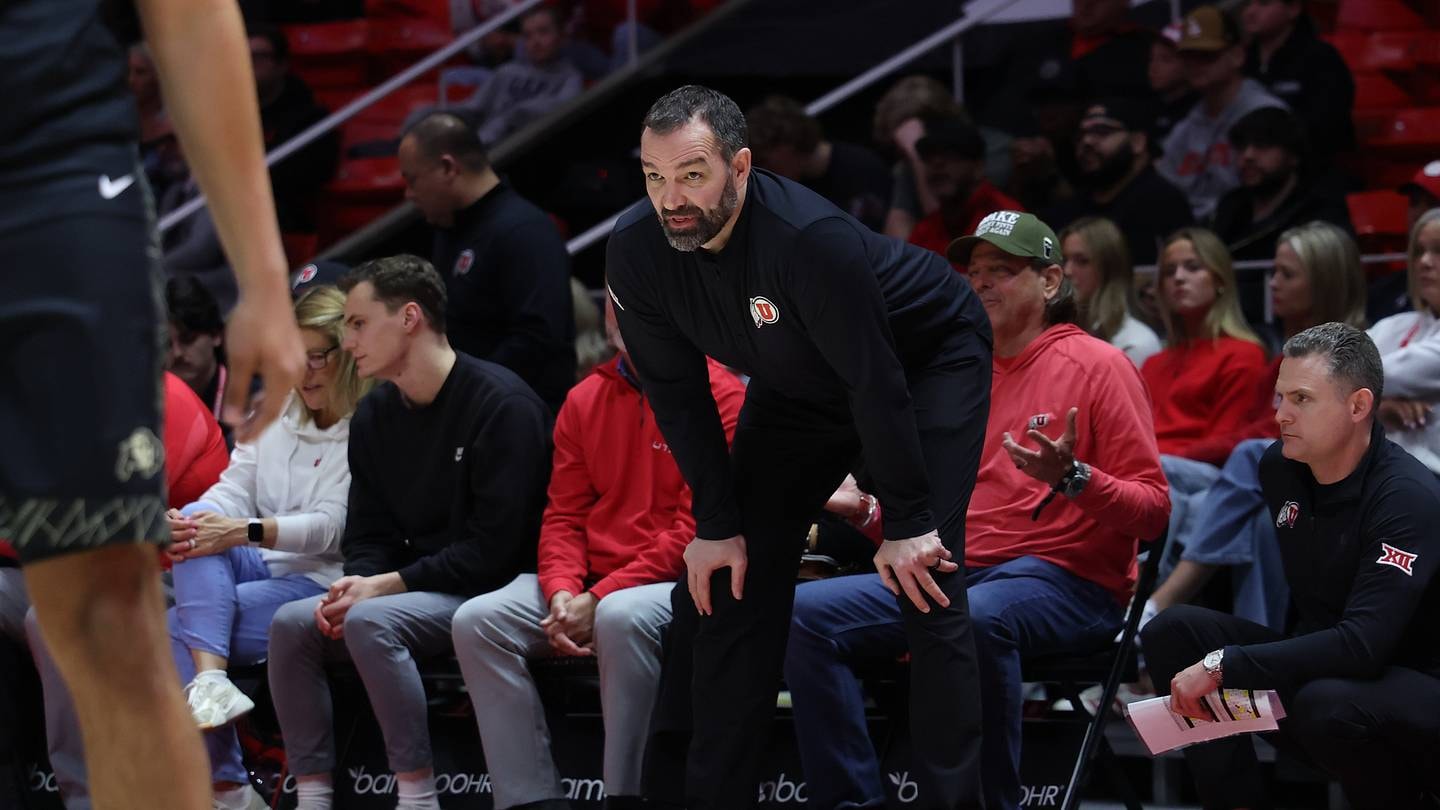
A new era is already underway in Salt Lake City, but the standard for Year 2 and beyond of the program’s rebuild is simple, compete with consistency and climb out of the bottom half of the Big 12.
Utah basketball is entering the 2026-27 season with a question the program has been living under for a while, can it finally translate effort into sustained results in conference play? The setting for that urgency is the move into the Big 12, where the Utes struggled to keep pace and finished last season in the bottom tier of the standings, according to the preview report. The concern is not that Utah lacks talent or trying. It is that the program has repeatedly had to start over, both on the court and in the coaching chair.
The most visible sign of that churn came in 2025, when the Utes parted ways with head coach Craig Smith. The reporting framed that change as a consequence of the team’s inability to make the kind of leap required in the Big 12 environment. For a program that previously competed in the Pac-12, the transition has meant sharper margins, deeper scouting, and a higher floor for execution every week.
In the wake of that transition, Utah hired Alex Jensen and is now working through the early stages of a rebuild. The preview notes that it has not been smooth, describing Jensen’s first 18 months running the program as coming with difficult circumstances. When a team is still learning a new identity, the results can lag even if the long-term plan is sound, but for a conference that punishes inconsistency, patience can thin quickly.
What Utah needs most in 2026-27 is clarity on how it will win games. The Big 12 rewards teams that can rebound and protect the ball, but it also rewards teams that can manage pace and limit opponent advantages across multiple looks. If the Utes want to stop living at the bottom of the league, the preview suggests the next step is less about dramatic overhauls and more about tightening the routine, doing the basics at a higher level and doing them for longer stretches during games.
The storyline also has recruiting and roster construction implications. A coaching change can reshape the staff’s priorities, and a new coach usually uses the next recruiting cycles to fill specific needs, not just stock the roster with general upside. Utah’s offseason will therefore be judged not only by who arrives, but by how quickly the incoming pieces fit the system and whether the veterans are able to execute the plan without constant adjustment.
Still, Utah is not starting from zero. Even in difficult seasons, there is usually a base of continuity in how a team practices, defends, and handles in-game adjustments. The key test for 2026-27 will be whether that foundation produces fewer losing stretches, more second-half control, and results that reflect growth rather than variation.
For fans in Salt Lake City, the watch items are straightforward: Does Utah show progress inside Big 12 play early, and can it build momentum instead of restarting midseason? If Jensen’s program is going to earn more than hope, it will need to demonstrate that the Utes can compete at a higher level consistently, not only in isolated games.
By the time conference play is well underway, Utah’s progress should be visible in the league’s standings, but also in the way close games are handled. The 2026-27 season, as presented in the preview coverage, is about proving that the program’s reset is real and that Utah can move from struggling at the bottom to building toward the middle and beyond.
Why It Matters
- Utah’s standing in the Big 12 increasingly determines recruiting momentum and the program’s ability to attract fits for the current coaching plan.
- The 2026-27 season functions as a key benchmark for Jensen’s rebuild, where early improvement matters because conference games are unforgiving.
- A climb out of the bottom half of the league changes how Utah can schedule and prepare for postseason aspirations later in the year.
- Sustained competitiveness would report that Utah’s transition challenges were being solved, rather than merely endured.
Key Facts
- Utah’s 2026-27 season is framed as a reset after the Utes finished last season in the bottom of the Big 12 standings, per the preview report.
- The move into the Big 12 has been portrayed as difficult for Utah, especially after the program was previously in the Pac-12.
- Craig Smith was dismissed as Utah’s head coach in 2025, according to the preview coverage.
- Alex Jensen was named as the new head coach, and the report describes his first 18 months running the program as challenging.
- The preview positions 2026-27 as a test of whether Utah can improve consistency and compete more effectively in conference play.