
THE APEX TIMES
Vance says he considers himself an Epstein-related “conspiracy theorist” after New York Times report
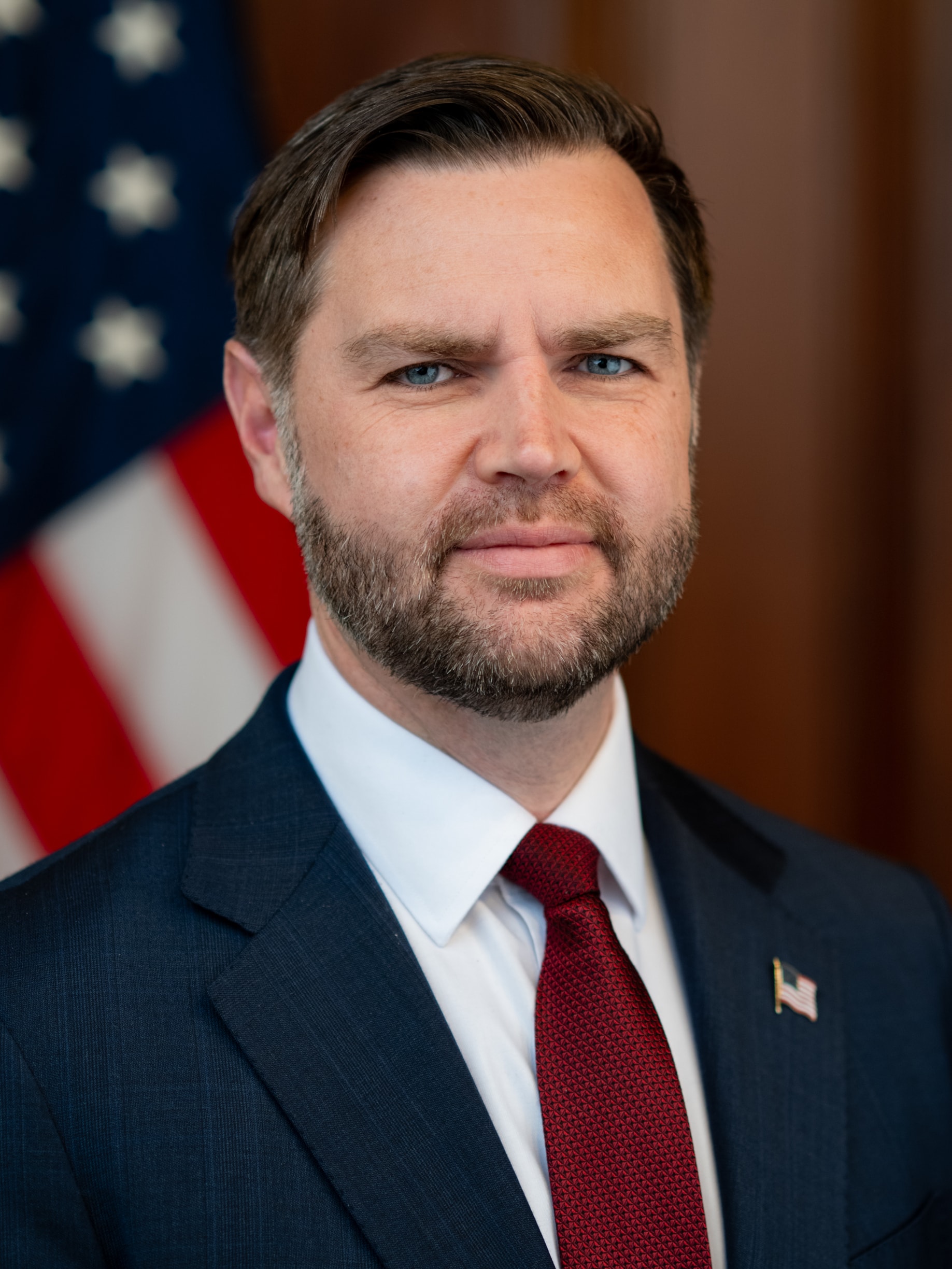
Vice President JD Vance addressed questions on ABC’s “The View” about his remarks related to deceased sex offender Jeffrey Epstein, after a New York Times report described closed-door administration discussions about how to respond to Epstein-related claims.
Vice President JD Vance said Tuesday that he considers himself a “conspiracy theorist” in connection with remarks about deceased sex offender Jeffrey Epstein, after a New York Times report described closed-door administration meetings about how to handle and respond to Epstein-related claims.
Vance made the comment during an appearance on ABC’s “The View,” where he was asked about the New York Times report published last week and about how he has discussed the Epstein matter publicly, according to The Hill. The report described internal discussions involving people inside the Trump administration, setting up the question Vance faced on the show.
The Hill reported that Vance defended his approach to the topic during the interview and characterized himself as someone who thinks about the Epstein issue in a way that he described as conspiracy-oriented. The exchange was framed around what the New York Times described as closed-door meetings and what the outlet said those meetings were focused on.
The “The View” interview also came as Vance promoted a new book, The Hill reported, and the question about Epstein was raised during that promotional appearance. Vance’s answer, as described by The Hill, leaned on his personal view of what he said he believes is at stake in the Epstein-related narrative.
The New York Times report, as characterized by The Hill, asserted that the administration discussed the spread of Epstein-related claims behind closed doors. Vance’s response on “The View,” reported by The Hill, was aimed at addressing the criticism that his comments and public framing of the Epstein issue reflect unverified or conspiratorial thinking.
There was no indication in The Hill’s account of any new official action by the administration or any court proceeding tied directly to Vance’s comments. The practical consequence described in the report centered on the administration’s public messaging response to the controversy, rather than on a specific policy or legal step.
The matter now depends on how additional reporting and any official statements may address what the administration’s internal discussions were about, and whether Vance’s remarks are taken up further by oversight, journalists, or legal and ethical review processes. The Hill’s account did not cite a primary administrative record or transcript of the internal meetings it referenced.
Why It Matters
- The episode highlights how senior administration officials are addressing and framing Epstein-related controversy in public, in response to reporting about internal administration discussions.
- Because no new official policy or legal action was identified in the reporting, the immediate effect appears focused on communications, not on enforcement or regulatory steps.
- If further official records or statements emerge about the internal meetings described by the New York Times, it could shape how journalists and watchdogs characterize the administration’s handling of the matter.
- Vance’s comment also places a high-level official’s language under scrutiny for how it relates to evidentiary standards and public trust issues tied to widely disputed claims.
Sources
Key Facts
- Vice President JD Vance made the remarks during an ABC appearance on “The View,” according to The Hill.
- The remarks came after a New York Times report described closed-door administration discussions about how to handle Epstein-related claims.
- The Hill reported that Vance said he considers himself a “conspiracy theorist” regarding the Jeffrey Epstein issue.
- Vance was promoting a new book during the interview, and Epstein questions were raised during that segment.
- The Hill’s account did not identify a specific administrative policy action or legal filing tied directly to the interview.