
THE APEX TIMES
Vanderbilt coach Clark Lea names Blaze Berlowitz QB1 for Week 1, but keeps the starter race open after Austin Peay
The Commodores’ first-game decision gives Blaze Berlowitz the clearest shot at the starting quarterback role for Vanderbilt’s opener, but Clark Lea stopped short of committing to a long-term starter following the Week 1 matchup with Austin Peay.
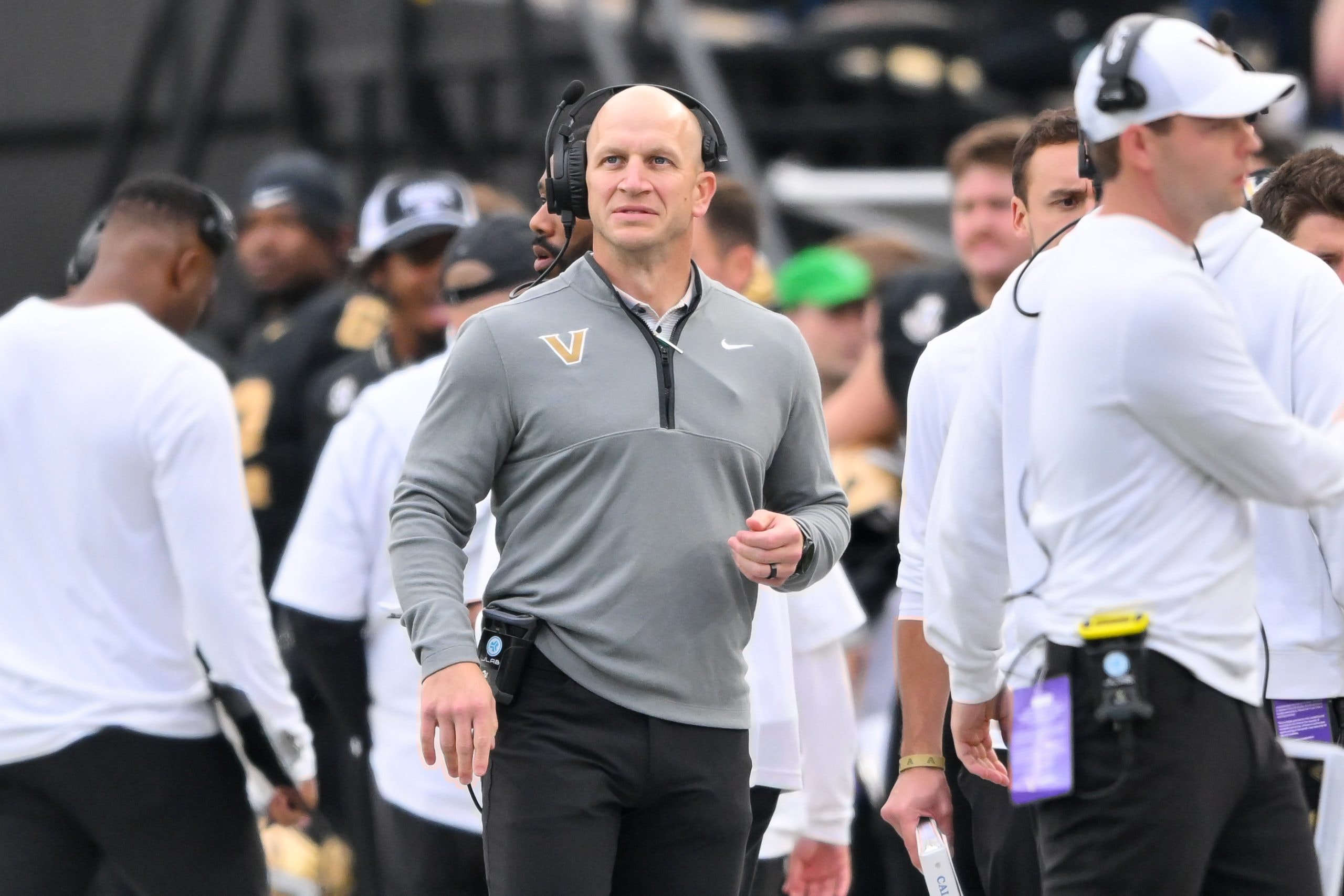
Vanderbilt coach Clark Lea has identified Blaze Berlowitz as the team’s starting quarterback for the Commodores’ Week 1 game against Austin Peay, a decision announced this week that settles the first domino in the team’s early-season quarterback plan. Lea, however, made clear that the quarterback competition is not “over” just because Berlowitz has the QB1 label for the opener. After the Austin Peay game, the Commodores’ staff intends to continue evaluating the position based on performance rather than preseason depth-chart hierarchy.
Lea’s comments, as reported Tuesday by Saturday Down South, captured the purpose of the Week 1 designation. Naming a starter for the opener can stabilize preparation, but the message from the coaching staff is that the result is not automatically carried forward as a permanent starter for the rest of the season. In other words, Berlowitz’s Week 1 role functions as a near-term decision point, not a definitive answer to the larger question of who will own the quarterback job long-term.
For Vanderbilt, the quarterback position is especially central because the Commodores’ weekly preparation and play-calling are tightly linked to comfort level, timing, and decision-making. The practical value of declaring a starter is that it clarifies reps during the week and sets a baseline for how the offense is expected to function. Yet Vanderbilt appears to be balancing that clarity with the competitive reality that the staff still wants a broader look at the quarterback group after the first official test.
The Week 1 timing also matters for a program’s early rhythm. By giving Berlowitz the start immediately, Vanderbilt can plan game-week execution around a single quarterback unit while the rest of the offense, particularly the passing game, consolidates its identity for the first stretch. At the same time, Lea’s refusal to fully commit after Austin Peay suggests the staff views the opener as an evaluation platform, one that will help determine whether Berlowitz’s timing, ball security, and decision pace translate consistently beyond the first-game plan.
For players other than Berlowitz, this framing keeps pressure on the rest of the quarterback room without turning the opener into a dead end. The non-committal stance typically means competition can resurface through practice performance and how each quarterback processes live-game situations. That structure can raise the floor across the position group, but it also means the team’s offensive leadership will remain under a microscope even after the season begins.
What to watch next is straightforward: how Berlowitz performs in the Austin Peay game, and whether Lea’s postgame evaluation language moves toward a clear starter, or keeps describing continued competition. If Lea leans into a “performance will decide it” message again after Week 1, the quarterback race likely extends deeper into the early schedule. If he instead indicates that the job is settled, then the Week 1 announcement becomes a genuine turning point rather than a short-term decision.
The decision to name a starter now but withhold a guarantee later reflects a common college football reality: coaches often need an immediate operational choice while still managing multiple variables in a developing offense. For Vanderbilt fans, the Week 1 start gives a concrete answer for Saturday’s preparations, but Lea’s comments imply the bigger answer will come only after the first in-game evidence is available. The next quarterback update after Austin Peay is likely to define how the Commodores will balance continuity with competition as the season unfolds.
Why It Matters
- The Week 1 quarterback decision affects how Vanderbilt prepares the offensive installation and quarterback-rep expectations for the opener.
- A non-committal posture suggests the quarterback competition could continue into subsequent weeks, shaping practice intensity and game-week planning.
- How Lea frames the job after Austin Peay will influence the team’s internal confidence and offensive continuity as the season starts.
- The early-season quarterback clarity, or lack of it, can affect communication timing, play-calling risk tolerance, and the development curve of the passing game.
Sources
Key Facts
- Clark Lea named Blaze Berlowitz as Vanderbilt’s starting quarterback for Week 1 against Austin Peay.
- Lea’s message was non-committal about the starting quarterback job beyond the Austin Peay game.
- The decision was reported by Saturday Down South on Tuesday, with the Week 1 starter announcement coming earlier that day.
- The coaching staff is presenting the opener as an evaluation point rather than a final resolution to the quarterback race.