
THE APEX TIMES
Vice President JD Vance says he is “not at all” concerned about being blamed for Iran diplomacy if talks fail
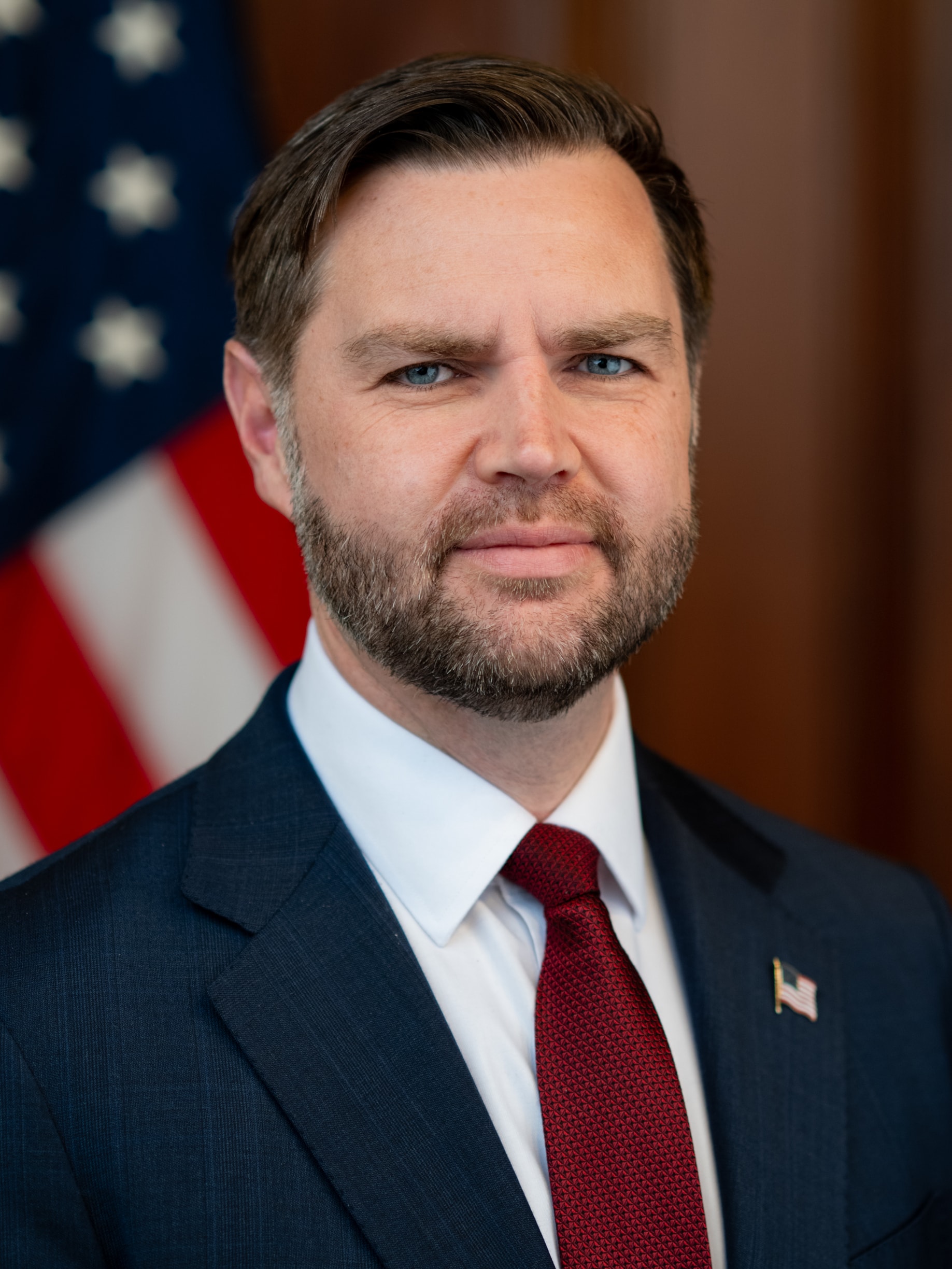
In a White House press briefing on June 18, 2026, Vice President JD Vance responded to a question about whether President Donald Trump would assign him responsibility if an Iran-related deal collapses, saying he was “not at all” concerned.
Vice President JD Vance told reporters at the White House on Thursday that he was “not at all concerned” about the possibility that President Donald Trump would make him the “fall guy” if an Iran deal fails. Vance made the remark during a press briefing when asked whether he was worried about being blamed for the outcome.
According to The Hill’s account of the briefing, Vance responded directly to the question with “No, not at all,” and said he believes the president would not approach the situation that way. The exchange occurred during Vance’s remarks in connection with questions posed to senior officials in the briefing setting.
The question to Vance centered on political accountability for the outcome of Iran diplomacy. The exchange did not include specific details in the reported record about the terms of any proposed agreement or the precise conditions that would constitute failure, and the report did not provide additional documentation beyond the briefing exchange.
The White House briefing setting is a routine venue for public answers on administration priorities and interagency coordination, but it is not a substitute for formal policy announcements. In this case, the reported remarks were framed as a response to a political accountability question rather than as an announcement of any new policy step on Iran.
The practical stakes of the exchange relate to how responsibility is assigned within a national security process that can involve multiple agencies and diplomatic channels. When negotiations are underway or expectations are public, officials can face scrutiny from lawmakers and media if outcomes disappoint.
Neither the report nor any additional primary or official record in the provided materials describes a new executive action, formal agreement, or government directive linked to Thursday’s question. The record for the story is limited to the reported briefing comments.
Vance’s remarks add to the visible intra-administration public messaging around Iran policy, but the reported exchange does not establish what an Iran deal would require, what deadlines may apply, or what response the administration would take if negotiations do not reach agreement.
Why It Matters
- The exchange highlights how administration officials publicly frame responsibility during sensitive negotiations tied to national security and foreign policy.
- Because the remarks were made in a press briefing, they reflect messaging and accountability concerns rather than a formal legal or policy instrument on their own.
- How Iran diplomacy is attributed internally can affect interagency coordination and public expectations among Congress and the public.
- The lack of additional disclosed terms or deadlines in the reported record means the immediate policy effect cannot be determined from the briefing comments alone.
Sources
- The Hill: Vance 'not at all' concerned Trump will make him the fall guy on Iran
- Federal Register API: Airworthiness Directives; Airbus Helicopters
- Federal Register API: Request for Information: Identifying Regulations To Facilitate Innovation and Competition to Financial Products and Se
- Federal Register API: Final Waivers and Extensions of the Project Periods With Funding for the American Indian Vocational Rehabilitation Ser
- Federal Register API: Meetings; Sunshine Act
- White House Presidential Actions: President Trump to Award Medal of Honor
- Image
Key Facts
- Vice President JD Vance said he was “not at all concerned” that President Donald Trump would make him the “fall guy” if an Iran deal fails.
- Vance made the remarks during a White House press briefing on June 18, 2026.
- The remarks were reported by The Hill as a direct response to a question from reporters.
- The provided account does not specify any details of the Iran deal or define what would constitute failure.
- The report does not include any cited White House or Federal Register action tied to the briefing exchange.