
THE APEX TIMES
Vikings Camp Observations: Receiver Depth Gets a Workout, Defensive Backs Respond
At the TCO Performance Center, Minnesota’s early August practices emphasized contested catches and coverage reads, with the defensive back group generating multiple play-making moments.
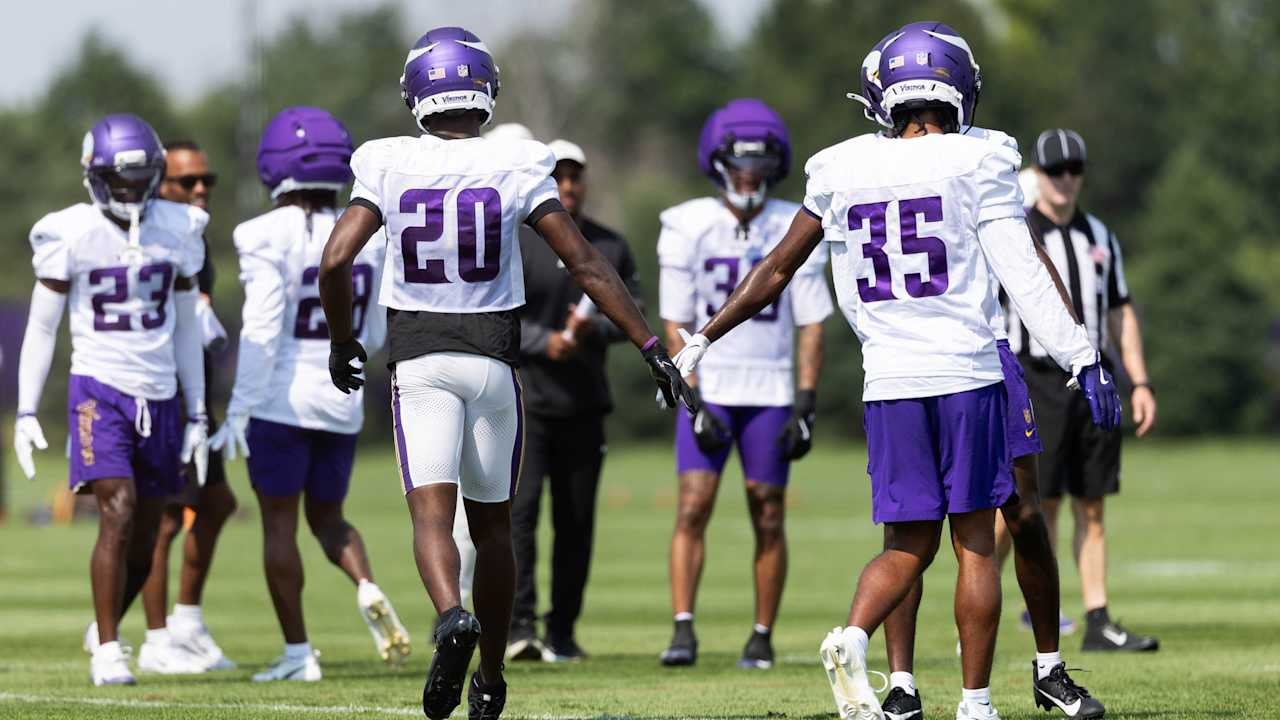
The Minnesota Vikings continued their summer work Monday at the TCO Performance Center, where team observers pointed to a “bluebird day” that matched the overall feel of practice. The focus, according to the team’s day-after notes, centered on how the offense could create separation and how the defense, particularly the defensive backs, would respond when windows tightened.
Receiver depth was a headline theme. In camp settings, late-period passing reps and situational work tend to reveal which routes hold up against live coverage and which hands can secure catches under contact. The Vikings’ observation report highlighted that the team was testing those layers of the receiving group, including throws that required timing rather than open-field space.
On the other side of the ball, the defensive backs made their case through play-making plays during coverage periods. Those moments matter in training camp because the quality of attention and technique you see in team periods often foreshadows how a defensive secondary will behave when games slow down and quarterbacks look for specific matchups.
What stands out in this particular practice note is the balance between the two objectives. The offense was not merely running routes, it was attempting to challenge the coverage with real contest situations. At the same time, the defense was credited with producing the kind of responses coaches want to see early, when communication and discipline are still being refined.
Camp observations like these also serve as a yardstick for roles that are easy to overlook in the offseason cycle. Minnesota’s receiving group and secondary are typically where competition is deepest beyond the most established names. The team’s emphasis on receiver depth and defensive back plays suggests management is paying close attention to who can consistently execute fundamentals when the rep is on the line.
The Vikings’ coaching staff is expected to keep running through similar camp themes as the preseason approaches, but the emphasis can shift day to day. For fans, the most reliable takeaway is the pattern: contested passing work on one side, immediate coverage answers on the other. That is often how teams reveal which parts of the roster are ready to contribute once the schedule tightens.
Next, the key is consistency across multiple practices. A single day can produce memorable highlights, but the longer-term story is whether the offense’s depth can sustain production against tight coverage and whether the defensive backs can repeat their technique-driven breakups and stops in successive team sessions.
Why It Matters
- Receiver depth development is often the difference between competitive depth chart options late in games and an offense that becomes predictable when rotations occur.
- Defensive back performance in live coverage periods can report readiness for matchups that decide third downs in the preseason and regular season.
- Training camp themes like contested catches and immediate secondary responses help teams refine timing, spacing, and communication before preseason game preparation.
Key Facts
- The Minnesota Vikings held a training camp practice at the TCO Performance Center on Aug. 4, 2026.
- The team’s practice notes described the day as a “bluebird day.”
- Receiver depth was highlighted as a key area of testing during practice.
- The Vikings’ notes said defensive backs made plays during the session.