
THE APEX TIMES
Vikings close minicamp at indoor facility, with young defensive backs turning heads
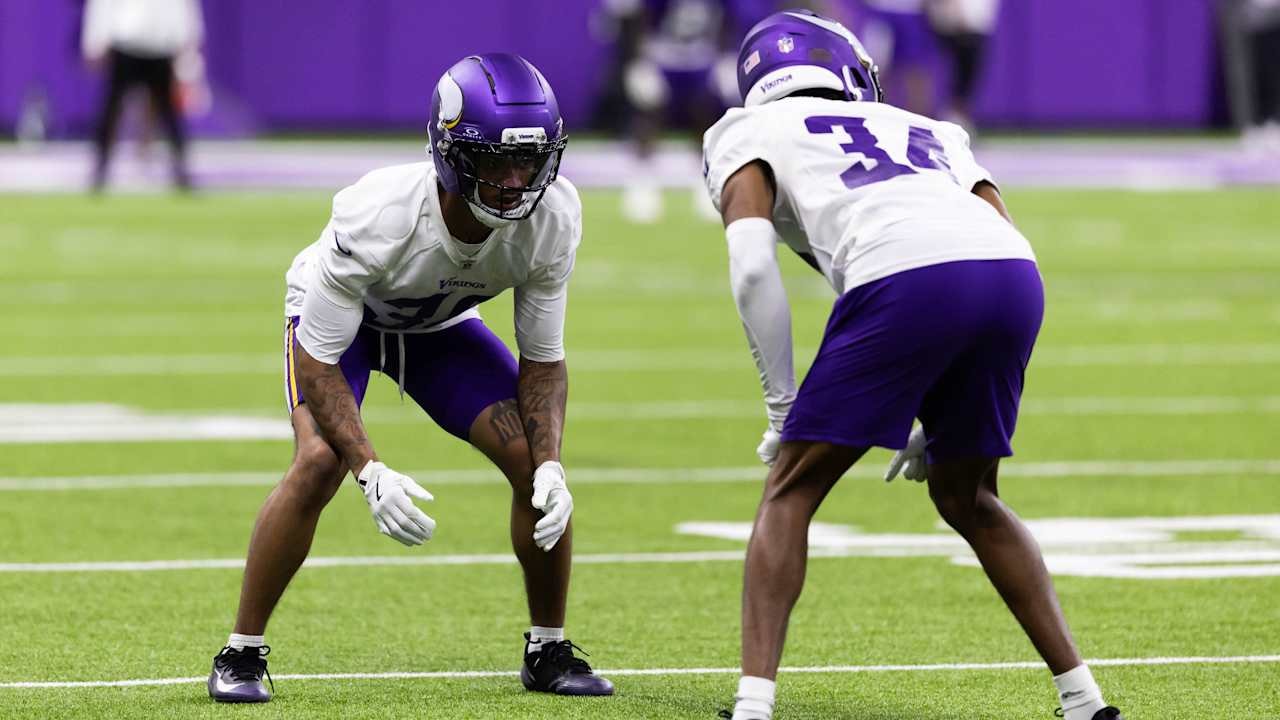
Minnesota’s final minicamp session was relocated to the team’s indoor practice space at the Twin Cities Orthopedics Performance Center, where coaches emphasized timing, coverage looks, and clean execution as players wrapped up the offseason.
The Minnesota Vikings used Thursday’s third and final minicamp practice to change the feel of the workout, moving indoors to the Indoor Practice Facility at the Twin Cities Orthopedics Performance Center in Eagan. The shift in venue matters less for the X-and-Os than for the rhythm of offseason preparation, because indoor sessions tend to tighten the pace and keep walkthrough-to-live reps moving without weather interruptions.
According to the team’s minicamp observations, the session’s final stretch ended with helmets off. That detail indicates the organization’s approach to finishing the offseason: reduce the physical intensity and focus on technique. Vikings coaches typically structure these closing practices around execution, including clean footwork, controlled routes, and quick recognition by the defense and quarterback timing.
The observations also noted activity in the passing game and defensive coverage, with quarterbacks working through session phases and defensive backs making plays on the football. In practice terms, those two elements are tightly linked, because coverage competitiveness often becomes most visible when throws are released quickly and receivers are trying to separate in limited space.
While the team did not frame the day in terms of individual accolades, the emphasis on young defensive backs creating plays points to a continuing Vikings theme: using spring reps to evaluate who can process coverage concepts and respond on time. For a young secondary group, minicamp can be as much about learning sight-lines and getting comfortable with disguises as it is about raw athletic matchups.
The Vikings’ final minicamp also carried the broader offseason context of a roster in transition. Offseason programs are where the team sorts out role clarity across units, particularly in the secondary and around the quarterback, which is why practices that end with helmets off and include football-focused work can feel unusually telling even without full-contact drills.
For fans and evaluators, the next step is how these minicamp takeaways translate into training camp. Indoor work can sharpen mental reps, but the league’s August atmosphere is different, with full-speed tempo, heat management, and more opportunities to test coverage discipline against live route combinations.
What to watch as the calendar turns is the consistency behind Thursday’s themes. If quarterbacks and receivers continue to find clean windows, it pressures the secondary. If defensive backs keep making plays on the ball in tighter situations, it suggests Minnesota is building an early advantage in communication and timing before the long preseason grind begins.
Why It Matters
- Indoor closing practices can speed up the transition from technique to live execution, shaping how quickly players sync up with timing-dependent schemes.
- Helmets-off sessions often reveal whether teams are improving on fundamentals like spacing, leverage, and ball tracking before training camp increases contact.
- Early positive momentum in the defensive back group can help Minnesota identify reliable playmakers as it builds depth for the regular season.
- How quarterbacks and pass catchers respond to secondary competitiveness in offseason reps is an early indicator of the work that will carry into camp.
Key Facts
- The Vikings held their third and final minicamp practice on Thursday indoors at the Indoor Practice Facility at the Twin Cities Orthopedics Performance Center in Eagan.
- Minnesota’s practice concluded with helmets off, indicating a technique and execution-focused finish rather than a heavier, physical segment.
- Team observations described quarterback work and defensive coverage concepts during the session.
- The Vikings reported that young defensive backs made plays on the football.
- The team’s description framed the day as a change of scenery that did not alter the offseason developmental priorities.