
THE APEX TIMES
Minnesota’s veteran-and-experience emphasis is taking shape through offseason work centered on keeping linemen available and building cohesion across the front.
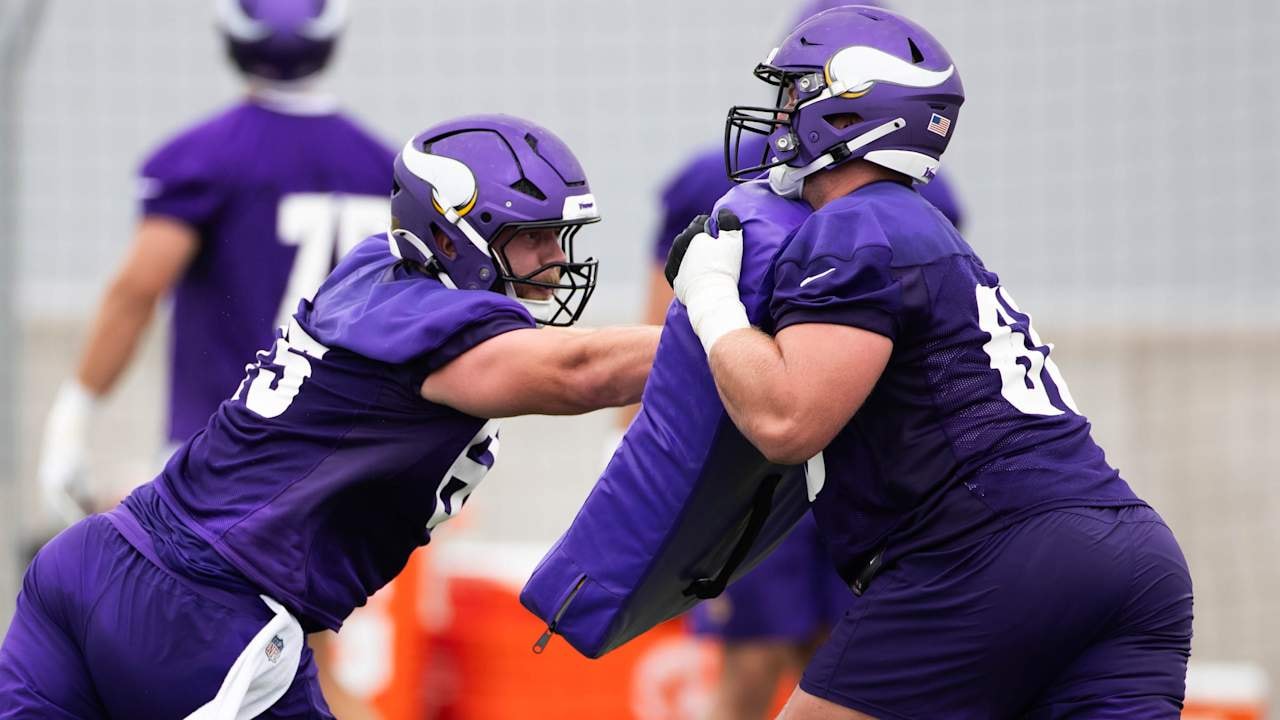
The Minnesota Vikings are approaching their 2026 offseason offensive line work with a clear priority, improving the unit’s health while adding more live experience as the calendar turns toward training camp. In a team release from Eagan, the Vikings described how offseason programming is designed to reduce day-to-day limitations and increase the amount of meaningful work players can carry into the season.
For an offensive line, health is more than a fitness buzzword. The unit’s performance depends on timing, communication, and repeatable technique, all of which are harder to sustain when bodies are constantly adapting to missed reps. By highlighting “improved health” as a centerpiece of its offseason plan, Minnesota is indicating that it wants continuity rather than short-term fixes.
The Vikings also framed the 2026 approach around “increased experience,” an emphasis that typically points to more time spent operating within the same system and building familiarity with assignments. Offensive line development often relies on repetition against varied looks, and experience helps players anticipate defensive movement, anticipate blitz angles, and communicate pre-snap adjustments without losing leverage.
Beyond the broad themes, the release places the offensive line program in the context of the NFL’s day-to-day complexity. For teams, offseason work is not just about strength and conditioning, it is about turning fundamentals into execution under speed. Linemen must learn to play through fatigue, maintain footwork when repetitions stack, and coordinate across multiple gaps and protection calls.
While the Vikings did not provide a roster-by-roster breakdown in the brief available description, the focus on health and experience suggests an offseason built for steady progress. That matters because the margin for error up front is small, and offensive line cohesion usually shows up when the unit is both healthy and confident enough to take ownership of protections.
As Minnesota moves deeper into the offseason cycle, the next thing to watch is whether the emphasis on availability translates into a consistent early camp look and smoother integration of line rotations. If the plan holds, the Vikings’ offseason identity on the offensive line should show up in how well the front sustains blocks, communicates under pressure, and holds assignments when the game-speed pace rises.
For now, Minnesota’s message is straightforward: improve the unit’s physical readiness and increase the number of reps players can actually use. In the NFL, that combination is often the difference between “getting better” and being better come Week 1.