
THE APEX TIMES
Villanova’s Kevin Willard enters Year 2 with a Big East third-place finish as the new baseline
A season that ended in the upper tier of the Big East standings is now the benchmark for the Wildcats as they move deeper into the Willard era.
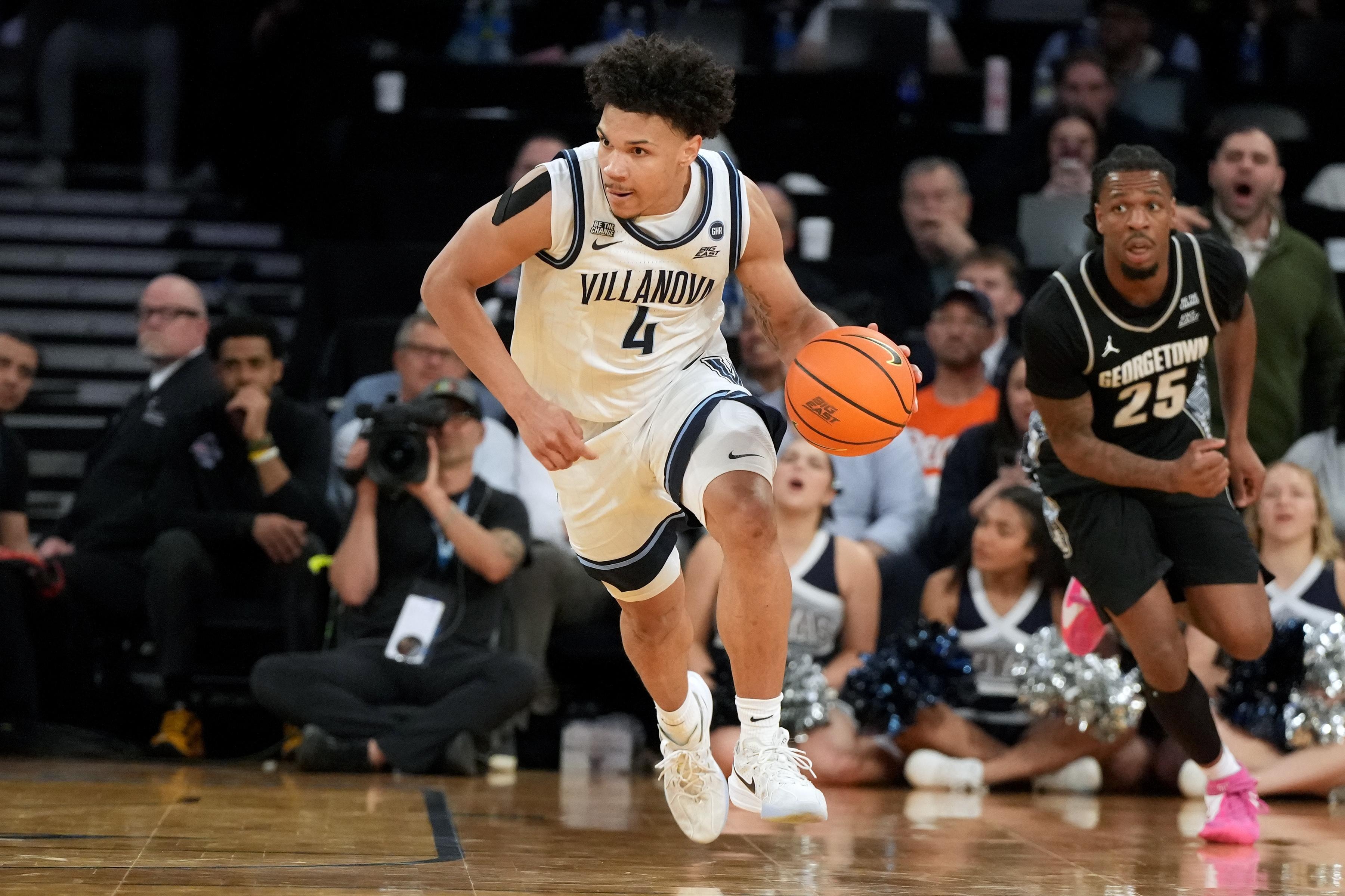
Villanova’s summer conversation is being shaped by the simplest measuring stick the program can point to from 2025-26: results in the Big East. A Yahoo Sports “summer vibe check” frames the Wildcats’ offseason as a reset that still has a clean reference point from last season, when Villanova finished third in the conference race, two games behind UConn and five games ahead of Seton Hall. For a program with Villanova’s expectations, that placement is both progress and pressure, and it becomes the baseline for what the Wildcats need to build toward in 2026-27.
The backdrop to that baseline is Kevin Willard’s second year at the helm. The article positions this offseason as a continuation of what it describes as the program moving on from the “Neptune years,” with Willard’s process now in Year 2. In college basketball terms, the second season is often where the coaching identity becomes more visible, with clearer patterns in how the team closes possessions, attacks in half court sets, and manages defensive matchups against league opponents that already know each other’s personnel.
In practical standings terms, finishing third matters because the Big East is not just about one strong month, it is about separating yourself from the middle. Being two games behind UConn indicates that Villanova was in the conversation for the league’s top tier, not merely surviving the grind of conference play. At the same time, being five games ahead of Seton Hall suggests Villanova also established separation from the group chasing it, which helps explain why this “vibe check” reads less like crisis management and more like tightening the details needed to close the gap.
The Wildcats’ offseason message, as described by the piece, is centered on resetting rather than reinventing. Resetting usually means prioritizing fundamentals that can swing late-game outcomes in conference play, particularly for teams that want to stay on the right side of a compact league schedule. In the Big East, where matchups can turn on physicality, offensive rhythm, and half-court execution, the margin between third and first is rarely a single fix. It is often a collection of smaller improvements that show up as fewer stalled possessions, cleaner rebounding, and better shot selection late when defenses are set.
Villanova also has to account for the competitive context of its league. When a team finishes close enough to UConn to be only two games back, other programs take notice and start planning for what that team is capable of. For Villanova, the implication is that 2026-27 will not be treated as a “prove it” season by the rest of the conference. Instead, the league will assume the Wildcats can play at a high level and will game plan accordingly, forcing Villanova to respond on the road and in pressure moments.
What to watch next, then, is less about dramatic, unverified offseason claims and more about whether the third-place performance becomes repeatable. The early season questions for any Willard-second-year team typically cluster around consistency, how quickly the offense can generate quality looks without relying on one or two big scoring stretches, and whether the defense can stay connected across matchups. If Villanova can keep the floor where it was in 2025-26 and gradually shrink that two-game gap behind UConn, the Wildcats would turn last year’s positioning into a genuine championship-season narrative rather than a high finish.
Finally, this “summer vibe check” framing matters because it captures how programs are judged between seasons. A third-place league finish can create momentum, but it also raises expectations that the next step is not theoretical. For Villanova, the 2026-27 storyline is straightforward: build on last season’s standing and find a way to be a real threat at the top of the Big East, not just an established contender in the upper bracket.
Why It Matters
- Third place in the Big East is a strong indicator that Villanova can contend, but it also sets a clear gap to the league’s top team.
- Year-2 expectations often determine whether a program’s identity becomes consistent enough to challenge for first place rather than settle for the upper tier.
- The league-wide perception shift that comes with a near-top finish can change how opponents prepare, making repeat performance harder.
- Villanova’s ability to translate a standings position into more title-level results will define the team’s season narrative.
- The Wildcats’ conference schedule and tournament path will likely reflect whether last season’s competitiveness was a step forward or a ceiling.
Key Facts
- Villanova is entering the 2026-27 season in the second year under coach Kevin Willard, according to a Yahoo Sports season preview.
- The preview cites Villanova’s 2025-26 Big East finish as third place in the league.
- In 2025-26 league play, the preview states Villanova finished two games behind UConn.
- The preview states Villanova finished five games ahead of Seton Hall in the Big East standings.
- The preview frames Villanova’s offseason as a “reset” while still leaning on last season’s outcomes.