
THE APEX TIMES
Vitello and Webb ejected after argument over fair-ball call in Giants- Diamondbacks game
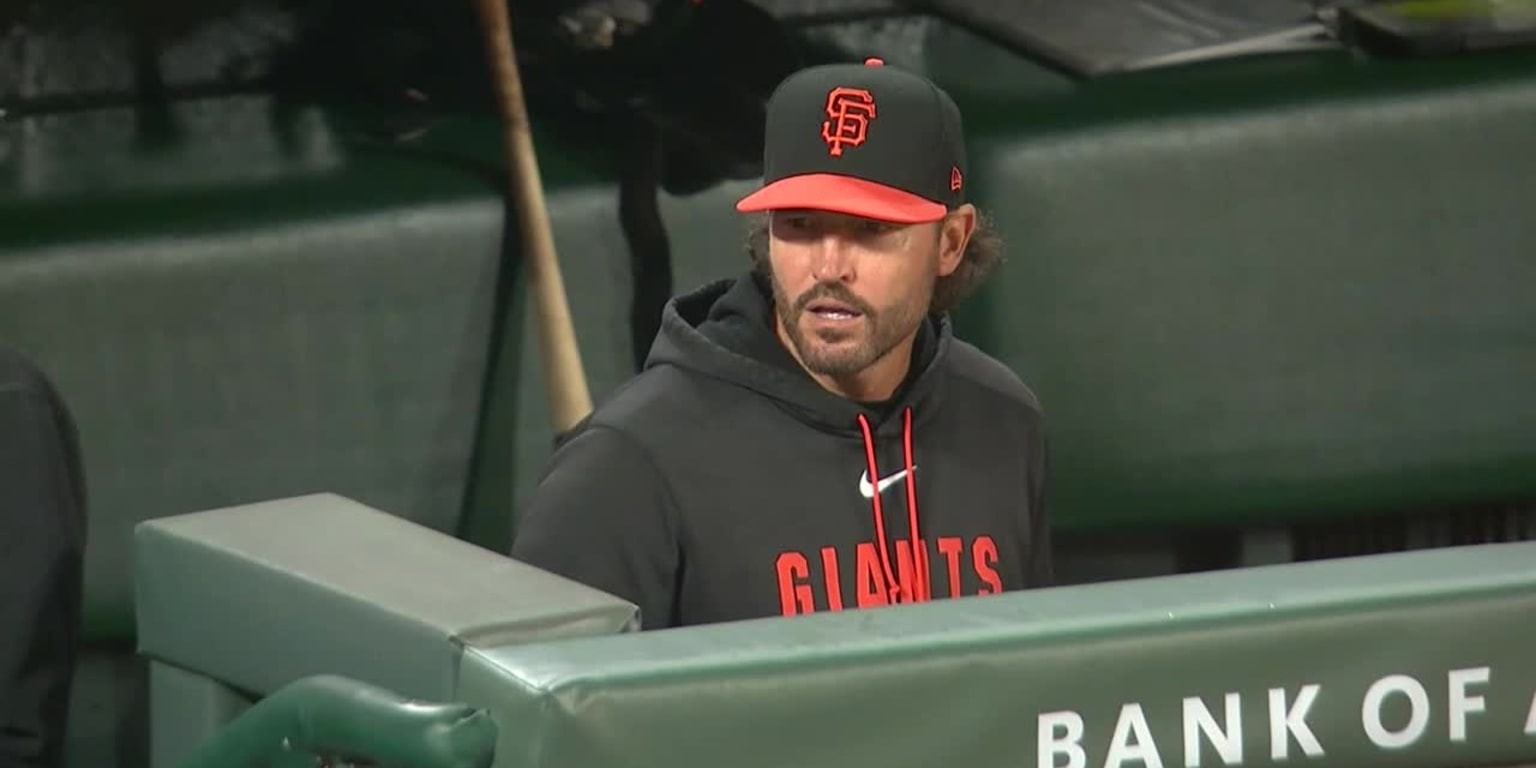
Giants rookie manager Tony Vitello was tossed for the second time in three games, and Logan Webb was also ejected after a disputed call led to Nolan Arenado’s third-inning double.
SAN FRANCISCO. Giants manager Tony Vitello was ejected Friday night after arguing a fair-ball call that went Arizona’s way and produced a third-inning double for Nolan Arenado. The incident escalated quickly, and the situation broadened further when Logan Webb was ejected as well, despite not being the pitcher on the field for the Giants at the time.
According to MLB’s game report, the ejection marked Vitello’s second dismissal in a three-game span and the fifth time he has been ejected in his rookie season. That frequency places Vitello’s early-season temperament under a microscope, especially for a rookie manager tasked with maintaining calm at the margins of games where officiating is often scrutinized.
The argument centered on the call itself, with the ruling recorded as fair. The significance is straightforward in baseball terms: a fair call in that moment directly affects how a batter and baserunners are allowed to advance, and here it turned into a third-inning double for Arenado, one of Arizona’s most important offensive threats.
Webb’s ejection added an unusual wrinkle. MLB’s account specifies that Webb was not pitching for the Giants when he was removed, making it a departure from the more common pattern where ejections track directly to the opposing pitcher or the defensive situation. Instead, it suggests the argument extended beyond a single exchange and into a broader confrontation around the call.
For the Giants, the dismissals carry a practical cost. Ejections typically force teams to operate without a manager during parts of the game and can change how late-inning decisions are communicated, including pitching changes, pinch-hitting, and challenges. While the underlying umpiring decision still stands once it is ruled, the margin for error can shrink when the dugout is forced to function without its head coach.
For Arizona and Arenado, the outcome attached to the ruling still matters on the field. A third-inning double can reshape inning leverage, shifting base-out states and the quality of at-bats that follow. Even when fans focus on the controversy, the immediate scoreboard impact is what persists.
What to watch next is whether the league revisits the officiating context after the fact, and how both clubs respond in subsequent games involving similar borderline decisions. Vitello’s record of ejections in his rookie season makes his sideline management a key storyline, while for Webb and Arizona, the response will likely be about staying focused even when a fair-ball debate spills into something larger.
Why It Matters
- Frequent ejections can disrupt a team’s in-game decision flow, especially for a rookie manager still establishing his routine.
- Officiating disagreements tied to fair/foul calls directly influence base runners and inning momentum, changing the swing of games in ways that are hard to undo.
- Arenado’s production, including extra-base hits, often shapes Arizona’s offensive leverage and late-game pressure.
- For the Giants, the immediate challenge is maintaining composure and continuity in the dugout following another high-profile dismissal.
Sources
Key Facts
- Giants manager Tony Vitello was ejected after arguing a fair-ball call involving Arizona’s Nolan Arenado.
- The call produced a third-inning double for Arenado.
- Vitello’s ejection was his second in three games and the fifth of his rookie managerial season.
- Logan Webb was also ejected, even though he was not pitching for the Giants when the dismissal occurred.
- The events took place in San Francisco during a Giants-Arizona game.