
THE APEX TIMES
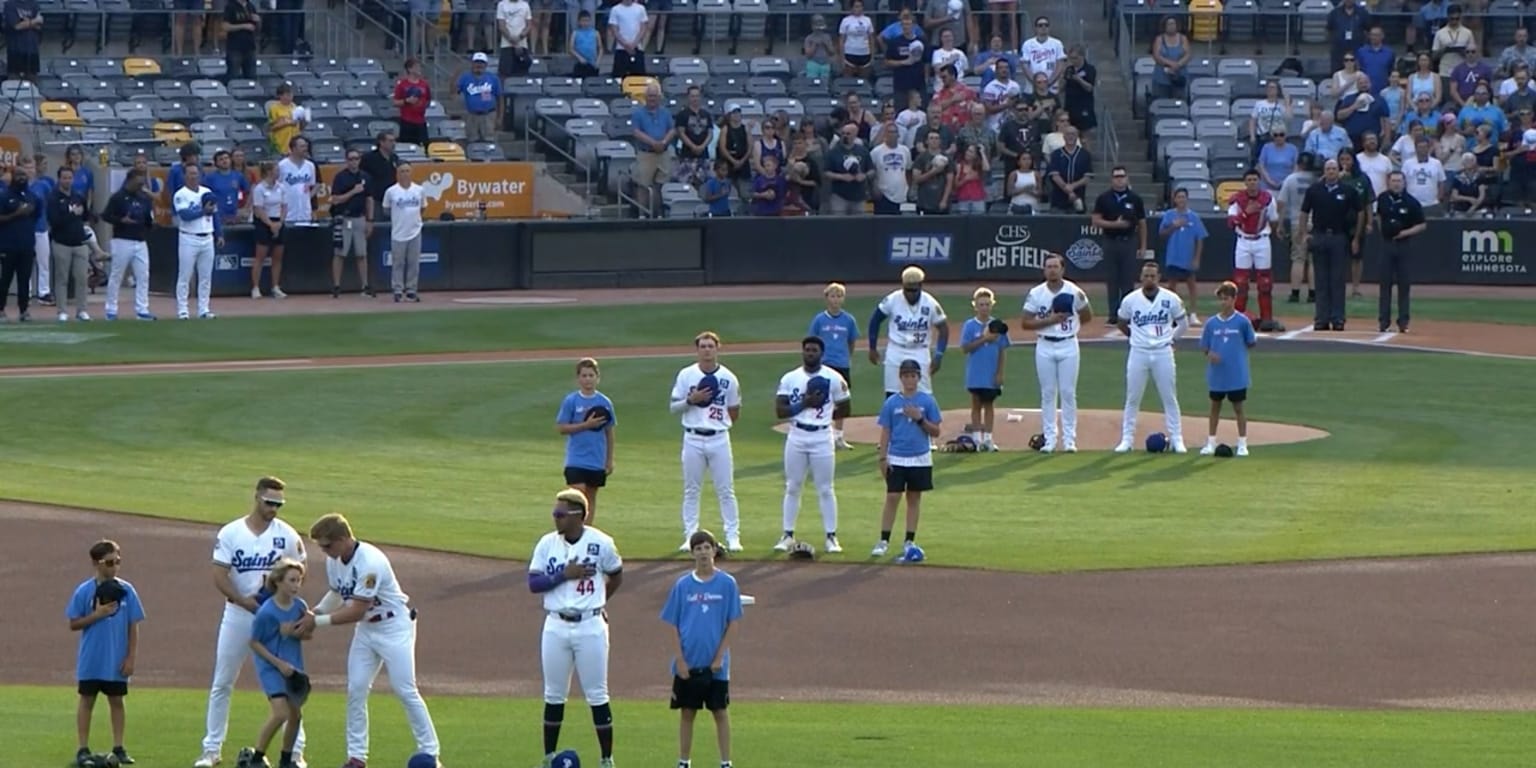
Walker Jenkins, the Twins’ top prospect dubbed “Captain America,” helps during a fainting incident
The Minnesota Twins organization’s leading prospect, Walker Jenkins, drew praise off the field after coming to the aid of a child who fainted, a moment that also matched the symbolism of his nation’s upcoming 250th birthday.
Walker Jenkins, the Minnesota Twins’ top prospect, stepped into a moment of need and helped a child who fainted, an act that carried added weight because it came on the cusp of his nation’s 250th birthday. In an MLB report published Wednesday, Jenkins was described as the player who has lived up to a hero nickname long before he reaches the majors in earnest. The nickname, “Captain America,” is tied directly to the franchise’s past as well, having been bestowed upon him by former Twins player Michael Cuddyer.
Jenkins enters the conversation around the future of Minnesota baseball with a high-profile prospect pedigree. MLB identified him as the Twins’ top prospect in its coverage, and also noted that he is ranked No. 14 on MLB’s Top 100 Prospects list. Those kinds of rankings generally measure a combination of tools and trajectory, but Wednesday’s story placed something else in the spotlight: character in real time.
The “Captain America” name itself is rooted in Twins connections. MLB reported that Cuddyer gave Jenkins the nickname, tying the prospect’s identity to the clubhouse lineage of the organization. That connection matters for fans who follow prospects not just for what they might do at the plate or on the basepaths, but for whether they can handle the public spotlight that eventually follows a top-10, top-20 national ranking.
While the report focuses on Jenkins’ response during the fainting incident, it also frames the moment as more than a one-off anecdote. It is presented with the timing of a national milestone in mind, since Jenkins’ actions occurred near the start of celebrations tied to his country’s 250th birthday. The story’s wording emphasizes the “saved the day” theme, using the nickname and the calendar together to underline how the prospect’s identity has become part of the narrative surrounding him.
For Minnesota, Jenkins’ status as the organization’s top prospect is not just a line item. It shapes expectations for what the next competitive stretch could look like, even if the team’s immediate needs will ultimately determine how soon and how often a prospect like Jenkins is called upon. Prospect lists provide a roadmap, but individual moments like this can reinforce why organizations invest in players beyond baseball performance, especially when the public sees them as role models.
There is also a broader league-wide implication. MLB’s Top 100 Prospects ranking tends to spotlight players who are on the verge of becoming familiar faces nationwide. Jenkins has already been branded, in Twins terms, with a superhero label, and stories like this are likely to travel with him. As he advances through the organization’s pipeline, fans will be watching for whether he can translate both talent and temperament to higher-pressure settings.
What to watch next is straightforward, even if this particular incident happened off the diamond. Jenkins’ continued development within the Twins system will remain the main storyline in baseball terms, but MLB’s feature suggests that his public profile is now tied to more than tools and grades. In the short term, that could mean more attention from the Twins fan base and national audiences alike, particularly as top-prospect expectations intensify with every step toward a major-league debut.
Why It Matters
- Top prospects can quickly become public figures, and character stories often influence how fans view their readiness for the majors.
- A No. 14 ranking on MLB’s Top 100 Prospects keeps Jenkins in the national spotlight, increasing the significance of personal conduct stories like this.
- The Twins’ connection to the nickname through Michael Cuddyer reinforces organizational continuity between past players and future contenders.
- For teams, leadership traits and composure under stress are part of the evaluation equation, not only performance metrics.
Key Facts
- Walker Jenkins is the Minnesota Twins’ top prospect, according to MLB’s report.
- MLB also ranked Jenkins No. 14 on MLB’s Top 100 Prospects list.
- The nickname “Captain America” for Jenkins was given by former Twins player Michael Cuddyer, as described by MLB.
- MLB reported that Jenkins came to the aid of a child who fainted.
- The timing of the incident was framed as occurring on the cusp of Jenkins’ nation’s 250th birthday.