
THE APEX TIMES
Warriors plan to run it back with familiar faces after missing LeBron James, betting on health
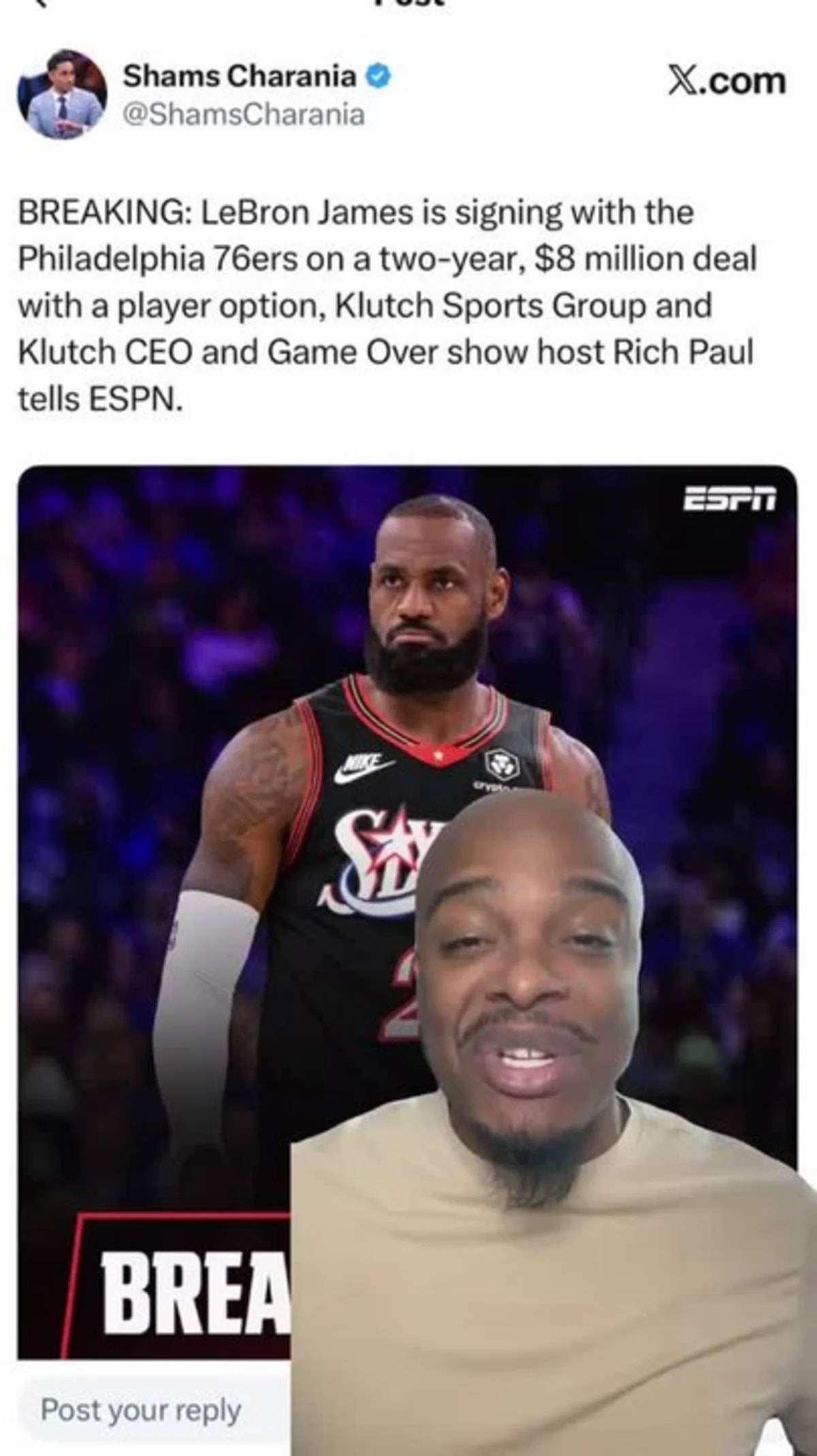
Golden State’s offseason pivot after LeBron James selected the Philadelphia 76ers leaves the Warriors focused on continuity and staying healthy as they aim to contend again.
The Golden State Warriors entered free agency with a clear, high-profile target and left without it. After LeBron James picked the Philadelphia 76ers, the Warriors moved quickly toward a “run it back” approach, emphasizing familiar pieces and organizational continuity rather than a full-scale reset.
In the immediate aftermath, the central storyline for Golden State became how to replace the impact of a player of James’ magnitude while still preserving what has worked for them as a system and a locker room. The framing coming out of the Warriors’ camp, as described in coverage of the decision, is that the team tried to fill roster needs with names the organization already trusts, people who can slot in without a steep adjustment period.
That matters because the Warriors’ recent ceiling has never been just about talent on paper. It has been about execution at speed, togetherness in late-game situations, and the ability to maintain rhythm across a long season. When a team begins stacking new roles, it can slow that process, even if the talent is strong. In this case, the plan described is continuity-first: build around the existing framework and lean into the comfort level that comes from having played together before.
There is also a health component to the Warriors’ offseason posture. The coverage notes their hope to avoid the kind of availability issues that can derail a season, even for talented teams. For a franchise built on timing and spacing, missing key rotation minutes can force a scramble, disrupt chemistry, and expose depth gaps. “Staying healthy” is not a throwaway phrase, it is the mechanism by which the Warriors can turn a familiar roster into a familiar performance level.
From a league-wide perspective, James’ choice creates an immediate psychological and competitive ripple. The Warriors now face a changed landscape in their regular-season and playoff math, not because the Warriors suddenly become worse, but because one of the sport’s most difficult matchups will land in a different building. With James in Philadelphia, the 76ers’ profile becomes more challenging for opponents that rely on forcing mistakes, limiting second-chance opportunities, or keeping the ball in safe lanes.
For Golden State, the most practical question going forward is how they balance two priorities that sometimes compete with one another. First is roster continuity, keeping the group that understands their offensive timing and defensive communication. Second is freshness, adding enough capability so that the team is not forced into the same limited answers every game, particularly when fatigue sets in or opponents target the same matchup edges.
What to watch next is how the Warriors finalize their offseason rotation plan and how the early parts of training camp reflect the “run it back” theme. If the team’s approach is truly continuity-driven, the rotation will likely prioritize comfort and roles that can be maintained under pressure. If health stays stable, Golden State’s ability to play their style for longer stretches becomes the differentiator.
There is a caveat to any offseason narrative built on familiarity: continuity does not automatically equal improvement. The Warriors still need the usual offseason work to show up in details that matter, such as shot quality under fatigue, defensive assignments that hold up in motion, and the margin in transition plays. The immediate reaction to missing James is a plan centered on trust, but the real test will arrive once the season begins and the Warriors’ continuity is measured against the league’s evolving threats.
Overall, the Warriors’ response to LeBron James choosing the 76ers is a story about second chances and steadiness. They did not land the marquee name, but they did not abandon their identity either. Instead, they are trying to preserve what is already in place and turn health into the lever that makes the difference again.
Why It Matters
- Golden State’s approach indicates a roster-building philosophy centered on continuity rather than chasing a single superstar fit.
- James joining Philadelphia shifts the competitive matchup landscape for the Warriors and their Western Conference opponents.
- The Warriors’ success will depend heavily on availability and the stability of their rotation, given the emphasis on staying healthy.
- A “run it back” plan raises the stakes for internal development and role clarity once the season starts.
Key Facts
- LeBron James selected the Philadelphia 76ers in free agency.
- The Golden State Warriors missed out on James.
- The Warriors’ immediate offseason direction described in coverage is to fill roster needs with familiar names.
- The Warriors are framing their plan around the hope of staying healthy.