
THE APEX TIMES
Washington Huskies coach Jedd Fisch backs QB depth chart after fall camp scrimmage
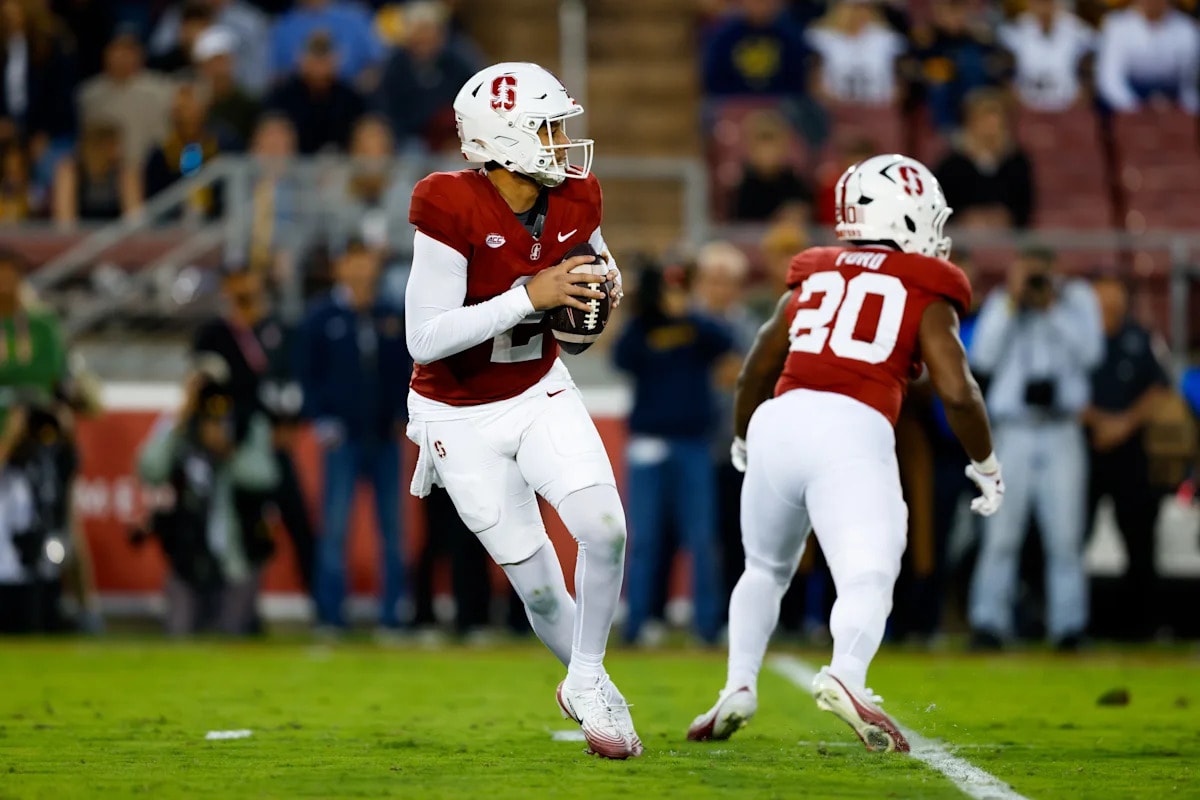
Elijah Brown, a former Stanford starter who transferred to Washington, is operating as the backup option as the Huskies continue sorting out their quarterback rotation for the 2026 season.
Washington’s quarterback picture is taking shape as fall camp moves deeper, with coach Jedd Fisch publicly expressing confidence in the two quarterbacks listed on the Huskies’ depth chart after the team’s second scrimmage of camp.
The most important context for that message is the role of Elijah Brown. Brown, who left Stanford after serving as a starting quarterback, joined Washington with an understanding that he would not be the automatic choice as the Huskies head toward the 2026 college football season. The second scrimmage served as another checkpoint on whether that internal pecking order holds as practice intensity rises.
Fisch’s comments, reported after the second scrimmage, framed the situation as settled enough to trust the group headed into the season. In practical terms, that usually means the staff believes the starter-quality quarterback is established, while the other option can still execute the offense at a high enough level to matter in game situations, even if Brown’s path is still primarily through the backup role.
For Brown, the shift from a former starter’s mindset to a backup quarterback’s day-to-day routine is a familiar but high-pressure transition in college football. The backup spot is not merely about waiting. It requires grasping the offense quickly, handling first-team or situational reps when the opportunity comes, and remaining ready for a sudden change that can come from performance, matchup needs, or the usual wear of a full schedule.
The Huskies’ situation is also a reminder of how fall camp functions as a competition mechanism rather than a simple preseason warmup. By the second scrimmage, coaches typically have enough visual and procedural information to decide who can run the offense at speed, manage protections, and handle communication responsibilities. Fisch’s confidence indicates the staff is comfortable with that readiness across the top two quarterbacks on the depth chart.
What to watch next is whether the staff maintains that same level of confidence as camp progresses into the later practices when scripts tighten and the work increasingly resembles game planning. If the gap between the starter and the backup remains stable, Washington’s offensive preparation becomes more structured. If not, the last stretch of camp often reveals whether Brown’s role is strictly rotational or whether he can push for more reps with the scout-team work that translates into confidence in the real offense.
For now, the key takeaway is straightforward: Washington appears aligned internally with its quarterback pecking order for 2026, and Brown is positioned in the backup tier even after arriving as a proven college starter at Stanford. The rest of fall camp and the early preseason workflow will determine how much that depth chart is treated as final versus something that remains fluid until the first meaningful game action arrives.
Why It Matters
- Quarterback clarity shapes every part of fall preparation, from play-calling structure to how the offensive line and skill groups time their routes and protections.
- A defined starter and a trusted backup affects risk management in games, especially early when coaches rely on rhythm and execution.
- For Brown, the backup role determines his development path and his window to contribute meaningfully during the season.
- The rest of camp will show whether Washington’s quarterback plan is stable or still evolving into the preseason.
Key Facts
- Elijah Brown transferred to Washington after being a Stanford starting quarterback.
- Washington coach Jedd Fisch expressed confidence in the two quarterbacks on the Huskies’ depth chart after the team’s second fall-camp scrimmage.
- The report characterizes Brown as not expected to be the QB1 option for Washington’s 2026 season.
- The confidence is tied to how the quarterback group performed in camp up to that second scrimmage checkpoint.