
THE APEX TIMES
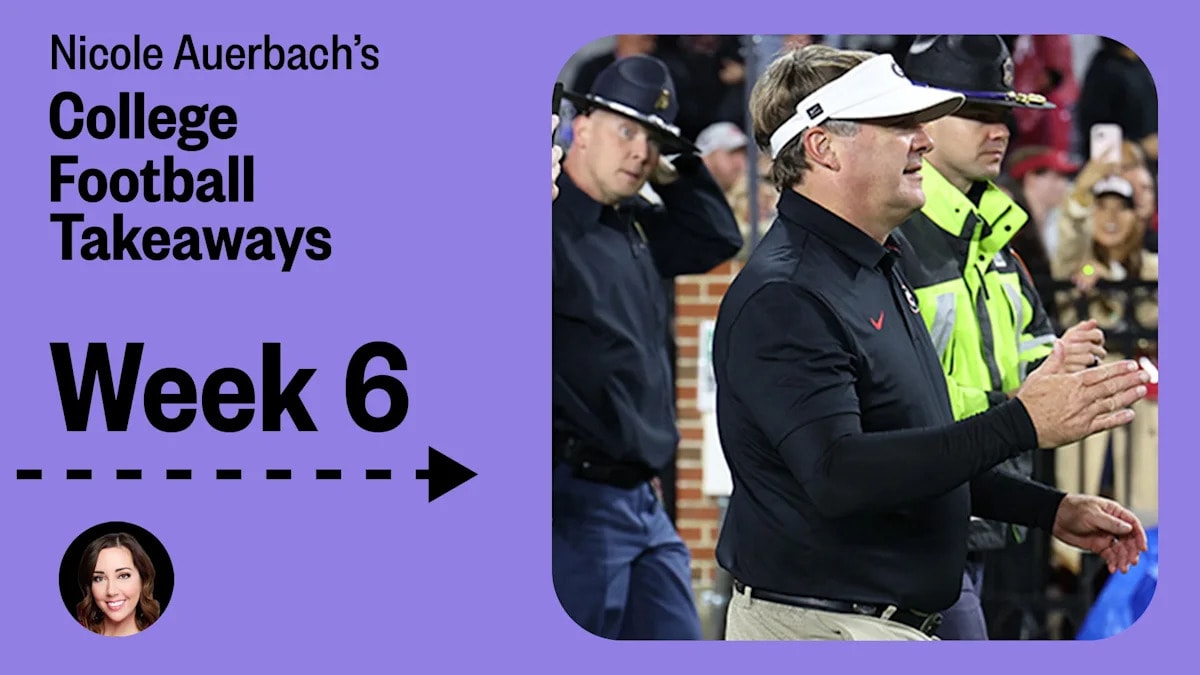
Week 6 Takeaways: Kirby Smart adjusts, UCLA’s rise grabs the CFP conversation, and college football keeps rewriting itself
From a stunning result in Eugene to an upset in the Red River Rivalry, Week 6 reinforced what makes the sport feel impossible to predict. In separate storylines, Alabama’s season path and UCLA’s title picture both got sharper.
Week 6 of the college football season delivered the kind of chaos the sport is famous for, with results that immediately reshaped how teams view their next few weeks. The broad takeaway from across the top conferences was simple: small margins, quick adjustments, and one explosive swing can flip an entire storyline. In this round of games, that theme played out in multiple directions, including a notable “stunning result in Eugene” and an “upset in the Red River Rivalry,” two fixtures that carry instant national attention even when the season is still early.
For Alabama, the headline takeaway framed the moment as a problem-solving success for coach Kirby Smart and his staff. According to the Week 6 round-up, Smart “eliminates Alabama problem,” a reference to how Alabama responded within the flow of the game and what that shift might mean for a team that cannot afford lingering issues if it wants to remain a consistent contender later in the season. The key football point in that framing is not a single play, but the implication that Alabama’s concerns did not persist the way they had earlier in the year.
UCLA’s storyline moved in the opposite direction: instead of correcting a flaw, it amplified momentum. The same Week 6 takeaways column described UCLA as becoming a CFP contender, essentially positioning the Bruins as part of the playoff conversation rather than a team waiting for permission to matter. That does not automatically mean a team is “in” the final-field picture, but it does change how each subsequent game gets judged, because a CFP-contending label increases expectations for consistency, late-game execution, and performance against remaining quality opponents.
The Week 6 landscape also underlined why “title picture” talk is never just about one team. When a result in a high-visibility setting goes unexpectedly, it can change the strength of multiple paths at once. A surprise game in Eugene affects conference perception, and an upset in the Red River Rivalry affects both teams’ national resumes. In practical terms, it compresses the margin for error, because teams watching from the outside now need to take advantage of their own opportunities immediately rather than waiting for clearer sorting later.
The Alabama and UCLA narratives also point to a more general recruiting and roster-building reality, even though Week 6 itself is about games. When a coaching staff is described as fixing an issue, it indicates operational control, whether that shows up as scheme clarity, better situational choices, or improved execution under pressure. When a program is framed as joining the CFP picture, it suggests the team’s current identity matches what it needs to survive late-season scrutiny, which is the bridge between one good game and a sustained postseason run.
What to watch next is less about a single “headline” and more about follow-through. If Alabama’s adjustment was the difference, the question is whether the team can keep that level of problem-solving in the weeks that follow. For UCLA, the question is whether the CFP-contender framing becomes earned consistency, or whether it was a brief high point that the rest of the schedule challenges. With college football’s volatility already on display, the remaining games will likely reward teams that can absorb surprises and still make the next correct decision.
At the same time, it is worth noting that this particular round-up is a takeaways piece rather than an official statistical ledger. The themes are clear, but the exact mechanisms behind “eliminating Alabama problem” and the specific basis for “UCLA becomes CFP contender” are best confirmed through game reports and box scores from the programs and conferences involved. The next verification step is reviewing the detailed game narratives and performance breakdowns tied to Week 6.
Why It Matters
- Unexpected results from Week 6 can quickly alter the playoff-resume math for multiple teams at once.
- Alabama’s “problem-solving” framing suggests its path back to consistency may depend on repeated execution, not one isolated fix.
- UCLA’s shift toward “CFP contender” status changes how upcoming games are evaluated, especially in high-leverage moments.
- Because the season remains volatile, teams must keep responding to adversity rather than relying on preseason expectations.
Sources
Key Facts
- A Week 6 takeaways column emphasized a major surprise result in Eugene.
- The same round-up highlighted an upset tied to the Red River Rivalry.
- The column’s Alabama focus described coach Kirby Smart eliminating an Alabama problem.
- The column’s UCLA focus described UCLA becoming a CFP contender.
- Overall, the takeaway was that Week 6 accelerated multiple storylines that affect the playoff conversation.