
THE APEX TIMES
Week One in Michigan turns the recruiting process from film to live evaluation
High school football’s opening slate in Michigan ends the 7-on-7 and camp window, giving recruiters their first look at prospects in full-game situations and competitive pressure.
Week One in Michigan high school football is now the first true test for many of the state’s most recruited players. Camps and 7-on-7 events are over, and what remains is a different kind of evaluation: reading how prospects process reads at game speed, respond to pressure, and perform in moments that do not exist during controlled drills. For college programs, it is a reset of sorts, because live reps can confirm what recruit film suggests, or expose gaps that practice settings may hide.
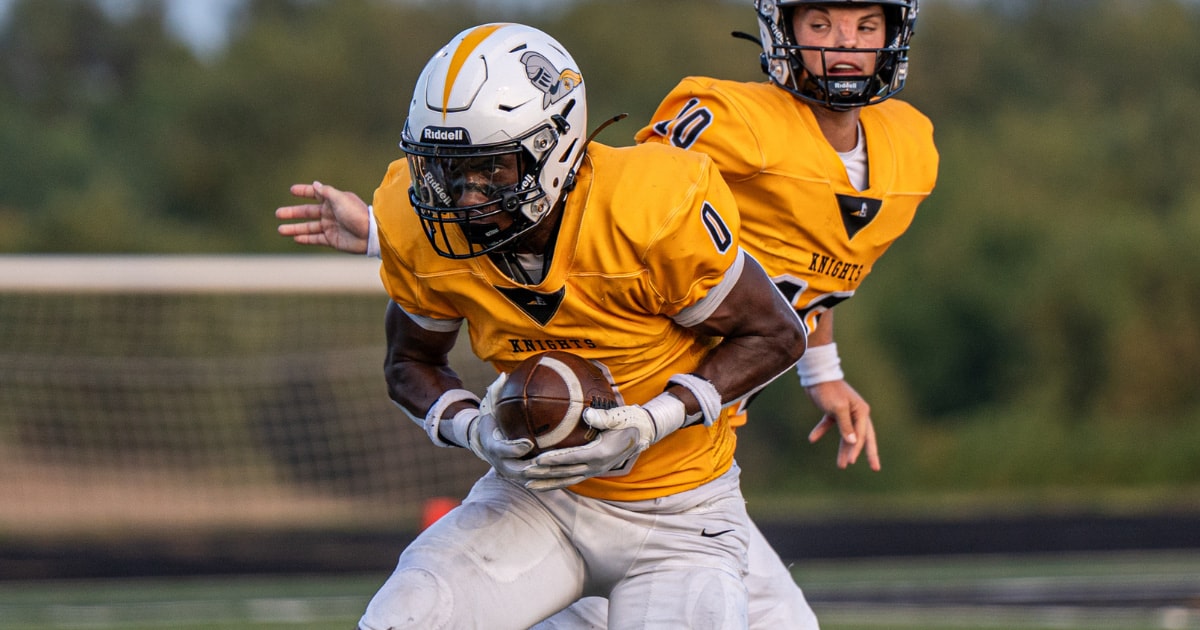
The core recruiting question for Week One is fairly consistent across positions. On offense, evaluators typically watch whether timing and chemistry show up immediately, especially on routes and exchanges that require more than raw skill. Receivers are assessed on release discipline and separation when defenders can use full rules, quarterbacks on decision speed and footwork under contact, and running backs on how they identify lanes when the defense is allowed to adjust in real time.
On defense and special teams, live evaluation tends to emphasize effort details that do not always register during summer work. Defensive players are judged on assignment clarity, pursuit angles, and how they play through traffic rather than around it. Kick and punt situations also matter because they can reflect both athleticism and reliability, two traits recruiters often try to separate when they are not yet sure how a prospect’s role will translate to college systems.
Michigan’s high school schedule also creates an immediate contrast between prospects facing high-level opposition and prospects whose early opponents may be less demanding. That does not automatically discount either group, but it does shape what evaluators can conclude from one game. A standout performance against a strong opponent tends to carry more weight for scouts, while a quieter game can still be explainable by scheme matchups, play-calling, or a prospect’s specific usage. In other words, Week One is rarely the final verdict on a recruit, but it is often the first chance to narrow questions.
From a process standpoint, Week One serves as a bridge between recruiting conversations and recruiting certainty. Recruiters can only do so much with summer highlights, which are often produced in environments that feature limited pass rush, fewer coverage disguises, and less physical escalation. Game action adds variables that coaches and staff look for when they are trying to decide whether a prospect is ready for higher-level coaching, faster defensive looks, and more structured offensive timing at the next level.
The other reality of early-season recruiting evaluation is logistics. Scouts can see players only when they are on the field, and in Michigan the season’s start concentrates attention into a short window of games. That concentration can amplify narratives, too, which is why teams typically try to track repeatable traits rather than one-off moments. A prospect who wins repeatedly on similar plays, or who shows consistent decision-making when the opponent adjusts, becomes easier to project.
As the season gets going, evaluators generally expect follow-up checks to matter just as much as the opener. The next weeks provide more film in varied contexts, including different weather conditions, different defensive looks, and different game plans based on each team’s identity. For recruiters, that means Week One might start a conversation, but subsequent games usually refine the picture and help staff separate development potential from short-term results.
Week One in Michigan, then, is less about crowning recruits and more about testing them under real constraints. The most meaningful takeaways for college programs are usually the ones that are visible in the fundamentals: how a quarterback protects the ball and handles pressure, how a receiver looks on contested targets, how a defensive player maintains assignment discipline, and how special teams athletes execute the unglamorous details that coaches love to trust. Over the coming weeks, those observations will decide who remains a top priority and who becomes a wait-and-see case.
Why It Matters
- Live game action gives college programs a more reliable read on how prospects perform under pressure than summer drills alone.
- Early-season matchups help determine whether a prospect’s production is sustainable against stronger, more complex resistance.
- Recruiting priorities can shift after Week One when coordinators and scouts see fundamental traits translate in real game tempo.
- The first weekend can set the tone for follow-up tracking, which often carries more weight than the opener for long-term evaluation.
Key Facts
- Michigan’s high school football Week One marks the beginning of live, game-based recruiting evaluation after the camp and 7-on-7 stretch ends.
- College recruiters look for how prospects handle speed, full-contact coverage, and in-game adjustments that are difficult to replicate in summer settings.
- Evaluators pay attention to repeatable traits in decision-making, assignment discipline, and fundamentals rather than only one standout play.
- Matchup strength and team context can shape what scouts can responsibly conclude from any single opener game.
- Week One creates the concentrated field-time needed for scouts to confirm or question recruiting projections before later-season follow-ups.