
THE APEX TIMES
From realignment drama to a changing of the NFL’s replay rules, the 49ers and Seahawks have built an NFC West rivalry defined as much by high-stakes turning points as by the teams’ shared spotlight.
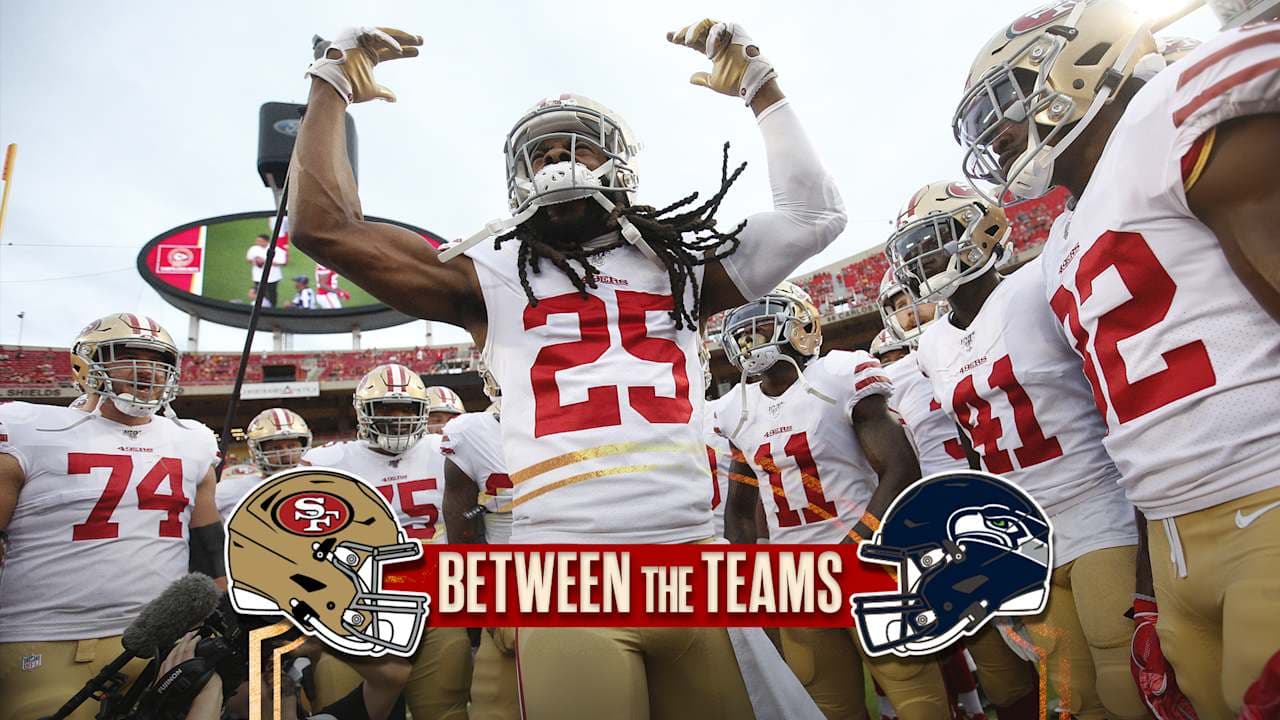
The San Francisco 49ers and Seattle Seahawks will meet for the second time in the 2026 season after San Francisco won 32-29 on Oct. 11. The latest matchup continues a rivalry that took off after Seattle moved to the NFC and rejoined the NFC West in 2002, setting up decades of direct competition for division position and postseason momentum.
Since that realignment, the teams have met in multiple seasons with major postseason stakes, including the path to a Super Bowl that has run through both franchises more than once. One defining stretch came in the 2013 season, when the rivalry reached its highest volume with three meetings.
In 2013, the Seahawks took a dominant first step in Seattle, winning 29-3 to leave San Francisco trailing in the season series. The 49ers responded in the rematch at Candlestick Park, overcoming a late deficit with a long Frank Gore run that set up a game-winning drive. Phil Dawson’s late field goal put the 49ers in front, and an Eric Wright interception on Seattle’s next play sealed the victory.
The rivalry’s most famous chapter of the era arrived in the NFC Championship Game at CenturyLink Field (now Lumen Field) in Seattle. On the first play from scrimmage, San Francisco forced a strip-sack of Russell Wilson, leading to points. Seattle later took its first lead of the game on a touchdown connection to Jermaine Kearse.
That title game also produced a pivotal rules moment after a collision involving NaVorro Bowman near the goal line. The initial ruling was a fumble with Seattle recovering, but the aftermath made clear the ball had remained with Bowman; the league later changed its replay rules to allow reviews of loose-ball recoveries, a change that became informally known as the “NaVorro Bowman Rule.”
The finish of that NFC title game featured one of the rivalry’s signature defensive swings. With 30 seconds left and San Francisco trailing, Colin Kaepernick targeted the corner of the end zone for Michael Crabtree. Richard Sherman tipped the pass away and Malcolm Smith came up with the interception that clinched the NFC championship, which set up Seattle’s Super Bowl XLVIII run.
Not every turning point has been about one postseason game. The rivalry has also included major cross-franchise player careers, including Jerry Rice, who spent 16 seasons with San Francisco before playing the second half of his final NFL season with Seattle after a midseason trade in 2004. Another example is Ricky Watters, who ran for 2,840 yards in three seasons with the 49ers before finishing his career with the Seahawks.
The coaching ties add another layer to the matchup’s familiarity. Mike Holmgren coached in San Francisco from 1986-1991 before becoming the Seahawks head coach in 1999. Pete Carroll, after serving as San Francisco’s defensive coordinator in 1995-96, later returned to the rivalry as Seattle’s head coach, going on to become the franchise’s winningest.
As they line up again at Levi’s Stadium, Seattle still holds the all-time series advantage, leading 33-25 in 58 meetings, including a 2-1 edge in the postseason. For a rivalry that has repeatedly shifted playoff outcomes, the recurring theme is clear: the games that matter most are often the ones decided by a single drive, a single defensive play, or a rule change that outlives the contest itself.
Comments
Community guidelines. Comments may be removed for violations.
Loading comments...