
THE APEX TIMES
What Jayden Daniels’ LSU jersey-number complaint triggered, and what came next
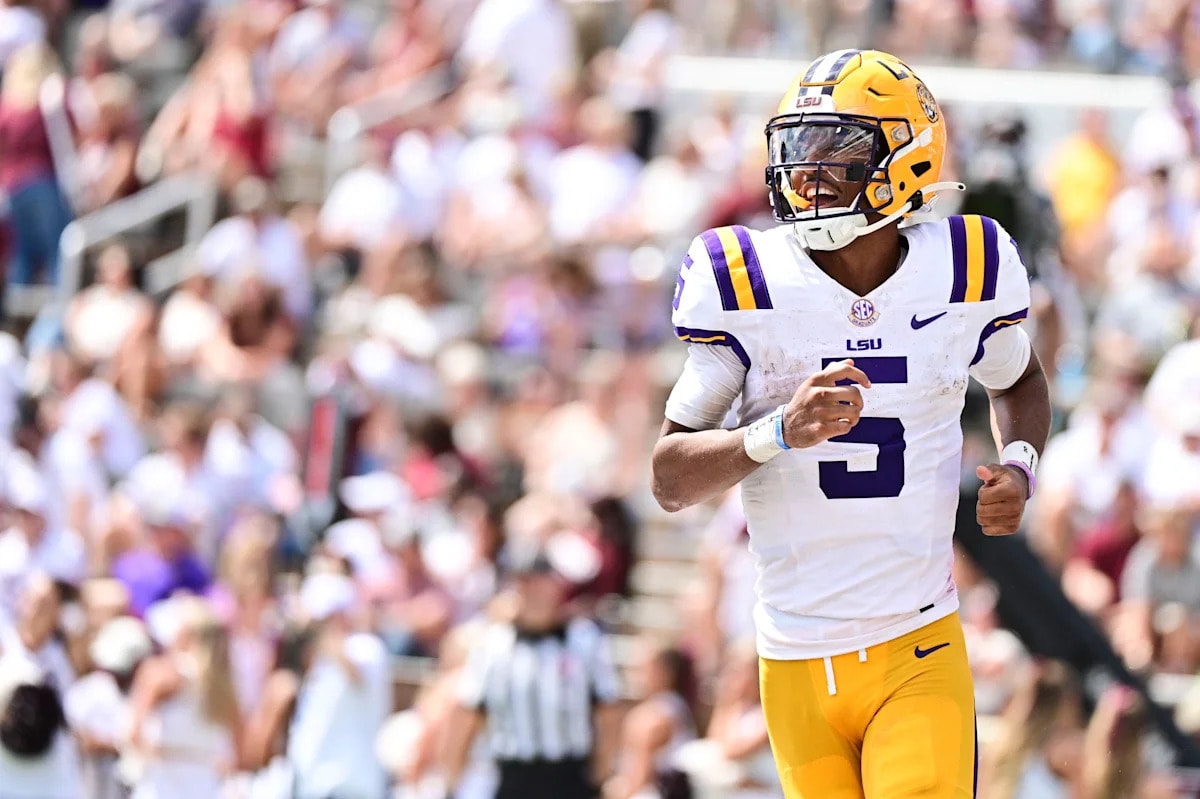
Daniels’ public complaint about a former LSU number being worn has produced a fresh turn in an already unusual story that bridges his time in Baton Rouge and the spotlight of the NFL.
Former LSU quarterback Jayden Daniels’ complaint about his old uniform number being worn has led to another reported development, according to Yahoo Sports. The story, which framed Daniels as one of college football’s more prominent recent stars now in the NFL, describes a “new development” that arrived after his earlier public issue. While the report does not provide enough detail in the available packet to confirm the exact mechanics of the follow-up, it clearly positions the jersey-number matter as the catalyst for the latest twist.
The Daniels-to-LSU connection matters because the jersey number issue is more than a symbolic gripe in the sport’s culture. At major programs like LSU, numbers are tied to identity, recruitment mythology, and fan memory, especially when a player transitions from a storied college program to the national stage. Daniels’ time at LSU created a long-running public association between specific No. values and a quarterback era that fans still track, even after the player moves on.
In general terms, jersey-number questions in college and pro football can intersect in messy ways. NCAA and NFL teams both operate within league and roster constraints that allow some flexibility, but numbers still function like shorthand for branding, messaging, and tradition. That means when an attention-grabbing former player complains publicly, it can quickly turn into a topic for media, social platforms, and supporters who interpret the wearing of a number as either respect or disrespect. In Daniels’ case, the reported complaint is described as having sparked enough interest that a later “development” became news.
The Yahoo Sports item also suggests the follow-up is tied to the idea of “one of the NFL’s young stars” and a more prominent past college football figure. That framing implies the newest reporting connects Daniels’ situation to the current NFL landscape in some way, but the available information does not establish whether the development involves a specific player, a league policy, a team statement, or simply the next rumor cycle in a broader jersey-number conversation. Because the details are not included here, readers should treat the “what happened next” portion as incomplete until further primary reporting or official confirmation is available.
What can be stated with confidence from the packet is that Daniels’ complaint about an LSU number being used created immediate momentum, and the follow-up was significant enough to be framed as a “new development” in a national sports outlet. That alone highlights how quickly college football storylines can re-emerge long after a player departs, particularly when the player is now a high-visibility NFL figure. It also underscores a broader pattern in modern football coverage, where personal requests and fan-facing narratives can become a multi-step news story rather than a one-time post.
For LSU, the practical takeaway is that jersey-number discussions are now part of a larger public-relations ecosystem. Even if a number is simply a roster choice that satisfies personnel needs, the meaning fans attach to those numbers can force additional scrutiny. For the NFL, the larger takeaway is that former-college legacies remain active in the league’s media cycle, meaning current stars can become entangled in older collegiate narratives through reporting connections, social attention, and comparative culture.
As this story continues, the next clear checkpoint would be whether any LSU team spokesperson, Daniels’ representation, or the organization associated with the newly referenced follow-up provides an on-the-record explanation. Without that, the most important thing to watch is not the tone of the reporting but the specifics: which number is at issue, who is wearing it, and what exactly the “development” changes or confirms. Until those pieces are confirmed, the outline of the story is clear, but the details remain to be verified.
Why It Matters
- Jersey-number issues carry cultural weight in college football, where numbers become linked to eras and identities.
- A former star’s public complaint can extend a college football storyline into an NFL-era media narrative.
- If the follow-up includes official responses, it could clarify how teams handle number legacy expectations.
- The story reflects the speed at which personal or symbolic disputes can turn into multi-part sports coverage.
Key Facts
- Yahoo Sports reported a “new development” connected to Jayden Daniels’ complaint about his former LSU jersey number being worn.
- The story frames Daniels as a former LSU star now in the NFL and presents the jersey-number complaint as the catalyst for the latest turn.
- The Yahoo Sports report also indicates the follow-up involves additional context connected to the NFL’s current landscape, but the available packet does not include those specifics.
- The underlying theme is how jersey-number meaning can persist and resurface after a player’s transition from college to the NFL.