
THE APEX TIMES
What Seahawks “run it forward” can borrow from the Mariners and Brewers, according to Yahoo Sports
A football offseason mindset check turns into a baseball study session, as a Yahoo Sports column draws parallels between how the Mariners and Brewers build competitive teams and how the Seahawks can think about their next football steps.
On Aug. 18, Yahoo Sports published a column asking a simple question: what can the Seattle Seahawks learn from two MLB franchises, the Seattle Mariners and the Milwaukee Brewers, as the Seahawks look to “run it forward.” The premise is that football’s roster and identity-building can take cues from how baseball organizations manage roster construction, player development, and decision-making over multiple seasons.
The article frames baseball less as a distraction and more as a logic test. Baseball teams face constant tactical churn through everyday matchups, but they still need a durable approach to when to swing for impact, when to stick with a plan, and how to treat recurring opportunities as part of a longer timeline. The column’s broader point is that “forward” thinking is not only about adopting the newest idea, it is about building habits that hold up when the game stops cooperating.
From the Seahawks’ perspective, the “run it forward” language in the column is treated like a coaching and front-office philosophy, not a catchphrase. In baseball terms, the Mariners and Brewers stand in for organizations that must align scouting, coaching, and player usage so that short-term outcomes do not override long-term evaluation. The Seahawks, the column suggests, can benefit from a similar alignment, especially when football decisions require patience but also demand near-term performance.
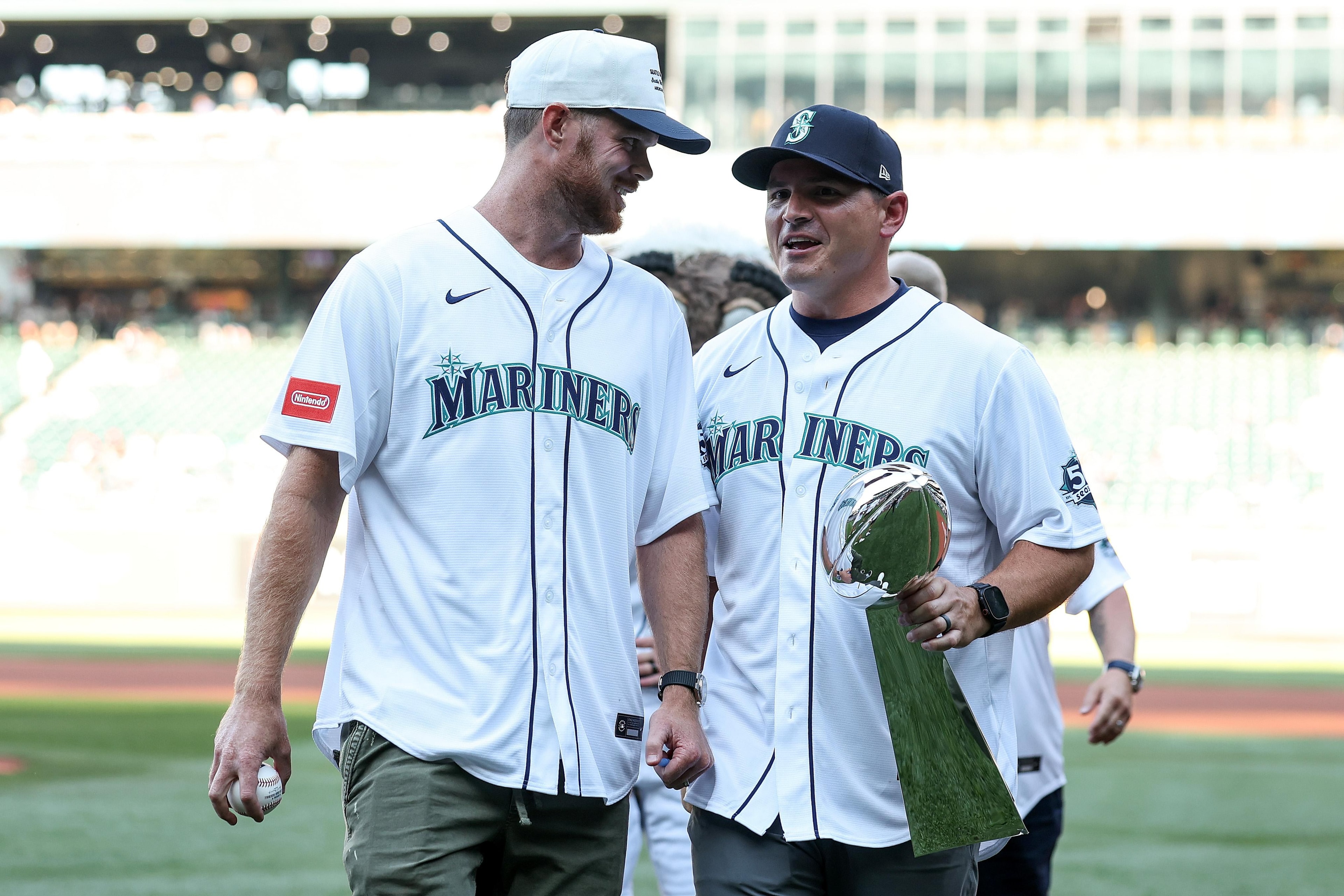
The Mariners tie-in matters for Seattle because it is not an abstract comparison. A local major-league club has to operate under public scrutiny and competitive pressure while still managing the reality that development and chemistry do not arrive on demand. If the Seahawks are trying to sharpen how they deploy talent and evolve their identity, the column argues the Mariners’ public arc offers a useful blueprint for thinking about timelines, roles, and what “progress” looks like when it is not immediate.
The Brewers add a second lens through contrast. Where the Mariners are an example of consistency and ongoing evaluation in a familiar market, the Brewers represent a different model of sustaining competitiveness by combining player development with purposeful roster decisions. In the author’s view, that dual track, development plus roster-building, is exactly the kind of repeatable engine football organizations often try to replicate when they want results beyond one roster cycle.
There is an important caveat to how far these cross-sport lessons should be taken. A football team’s schedule, roster constraints, and weekly game planning are not comparable to baseball’s matchups and daily rotation. The value of the comparison is therefore philosophical rather than technical. The column is not offering a playbook; it is pointing to organizational behavior, such as how teams decide what they can control, what they can measure, and what they will revise.
For Seahawks fans, the “watch next” part is less about baseball statistics and more about whether Seattle’s process shows sharper coherence. If the Seahawks are truly “running it forward,” the test will be whether the team’s offseason and in-season football choices reflect a consistent evaluation framework, a clearer understanding of roles, and fewer whiplash swings in approach.
Ultimately, the column is a reminder that competitive teams rarely win by chasing novelty alone. Even across sports, the organizations that endure tend to build systems that survive randomness, keep improving without losing their identity, and keep turning information into better decisions as seasons unfold.
Why It Matters
- Cross-sport comparisons can sharpen how fans and observers evaluate a team’s process, not just its outcomes.
- For Seattle, the “run it forward” concept sets expectations about organizational coherence, roster roles, and evaluation discipline.
- Using MLB franchises as analogs highlights the importance of aligning development, coaching, and roster decisions over multiple seasons.
- The Mariners-and-Brewers contrast underscores that “forward” thinking can look different depending on an organization’s specific player pipeline and competitive window.
Key Facts
- Yahoo Sports published a Seahawks-focused column on Aug. 18, titled “What can the Seahawks learn from the Mariners and Brewers?”
- The column connects the Seahawks’ “run it forward” framing to MLB organizational lessons drawn from the Seattle Mariners and Milwaukee Brewers.
- The piece is presented as a baseball-to-football strategy comparison rather than a team-specific news report.
- The article’s central theme is process and philosophy, using baseball models to illustrate how teams can think about longer-term development and decision-making.