
THE APEX TIMES
What the Bears’ Gervon Dexter trade could report about Ryan Poles’ approach
By moving Gervon Dexter, Chicago adds a new question mark to its defensive front while also reaffirming how Ryan Poles wants the roster built. The practical details may matter more than the headline, and the next round of moves will clarify the plan.
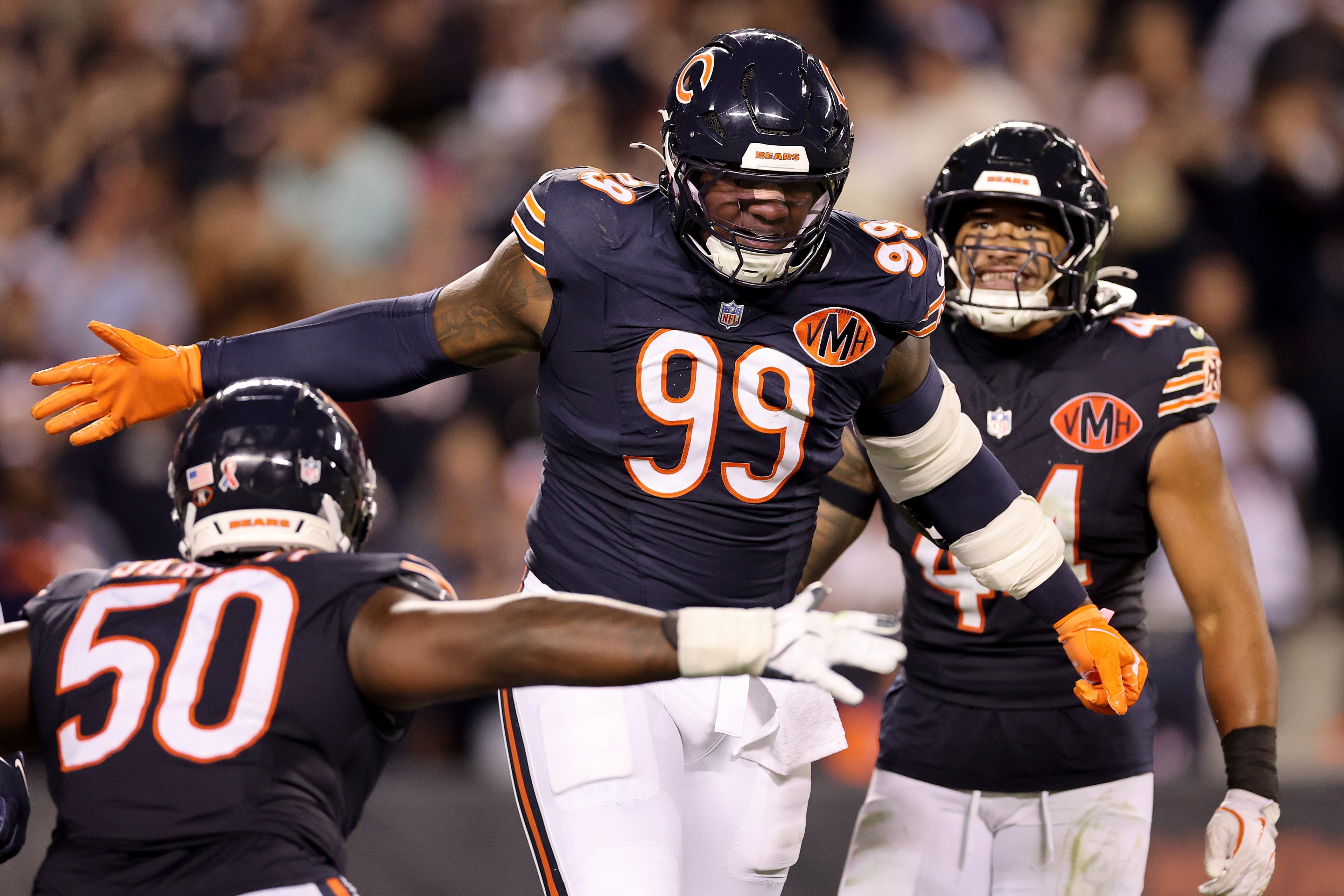
The Chicago Bears have traded Gervon Dexter, a transaction that immediately reshapes the conversation around Ryan Poles and the franchise’s roster construction. Even when the particulars of a trade do not completely define a season, personnel moves at the center of the rebuild usually reveal priorities, whether that is flexibility for the future, a specific schematic fit, or a willingness to reset expectations at key positions.
Dexter’s departure creates a direct opening in the Bears’ defensive front that will need to be filled by the current roster’s internal options. From a team-building standpoint, trades like this often push coaching staff to do two things at once: define what they believe their core defensive identity is, and accelerate the evaluation of the players on the roster who will carry the workload if a major piece is gone.
For Poles, the move fits a broader pattern of operating with an eye toward roster churn rather than preserving one player as a long-term assumption. That does not automatically imply a failure or a win. But it does indicate the front office’s comfort with moving on when it believes the value of the next phase outweighs the value of the existing piece.
Yahoo Sports framed the trade as a window into Poles’ decision-making, and its central argument is that the Bears are continuing to address what they view as limitations or mismatches rather than letting them persist for the sake of continuity. In that sense, the Dexter trade is less about honoring a player and more about enforcing a standard for how the team wants to function on Sundays.
What matters next is not only who replaces Dexter, but how the Bears distribute snaps and responsibilities across the defensive line. If the team leans heavily on younger or less established options to cover the void, it suggests the front office is comfortable with development growing pains in exchange for long-run roster clarity. If the Bears instead prioritize stability elsewhere, it would report the trade was part of a larger, already-structured plan rather than a stand-alone pivot.
There is also a financial and personnel-management dimension that trades always touch, even when the public narrative focuses on fit and talent. A general manager does not typically move a player without weighing cap implications, available roster spots, and the cost of retaining comparable production. Without additional confirmed details beyond the fact of the trade, the most responsible takeaway is that the Bears are acting decisively and expecting the next phase to be built differently than the one that included Dexter.
The Bears’ next steps will determine whether this becomes a footnote or a turning point. Watch for how the defensive front is staffed immediately after the trade, and for whether Chicago’s subsequent roster decisions align with the same underlying philosophy highlighted by the Yahoo Sports analysis.
In the meantime, the trade leaves fans with one simple, practical question: who becomes the functional centerpiece of the defensive line in Chicago’s system? The answer will arrive through role assignments, snap counts, and how the defensive scheme is adjusted to match the personnel the team has chosen to keep.
Why It Matters
- A major defensive-line trade can change how Chicago structures its front, affecting the team’s defensive identity and weekly game planning.
- The move can be read as a report about how aggressively Poles is willing to reset or reshape the roster when he believes it will improve outcomes.
- The Bears’ next personnel decisions and snap distribution will clarify whether the team is prioritizing development, flexibility, or immediate stability.
- How Chicago fills Dexter’s role can influence evaluation timelines for the rest of the defensive front and the coaching staff’s scheme commitments.
Sources
Key Facts
- The Bears traded Gervon Dexter, according to Yahoo Sports’ report published August 31, 2026.
- Yahoo Sports’ analysis centers on what the Dexter trade could indicate about Ryan Poles’ approach and direction for Chicago.
- The report presents the trade as meaningful for how the Bears will move forward with the roster.
- No additional transaction details, trade partner information, or compensation terms were included in the provided discovery text.
- The trade creates an immediate roster-production need on Chicago’s defensive line that must be addressed internally and/or through subsequent moves.