
THE APEX TIMES
Where Are They Now: TJ Graham’s AFC East detour from N.C. State to Buffalo and the Jets
Once drafted by the Bills and later making his way to the Jets, receiver TJ Graham’s path shows how quickly NFL plans can change, even for players who arrive with college momentum and a clear skill set.
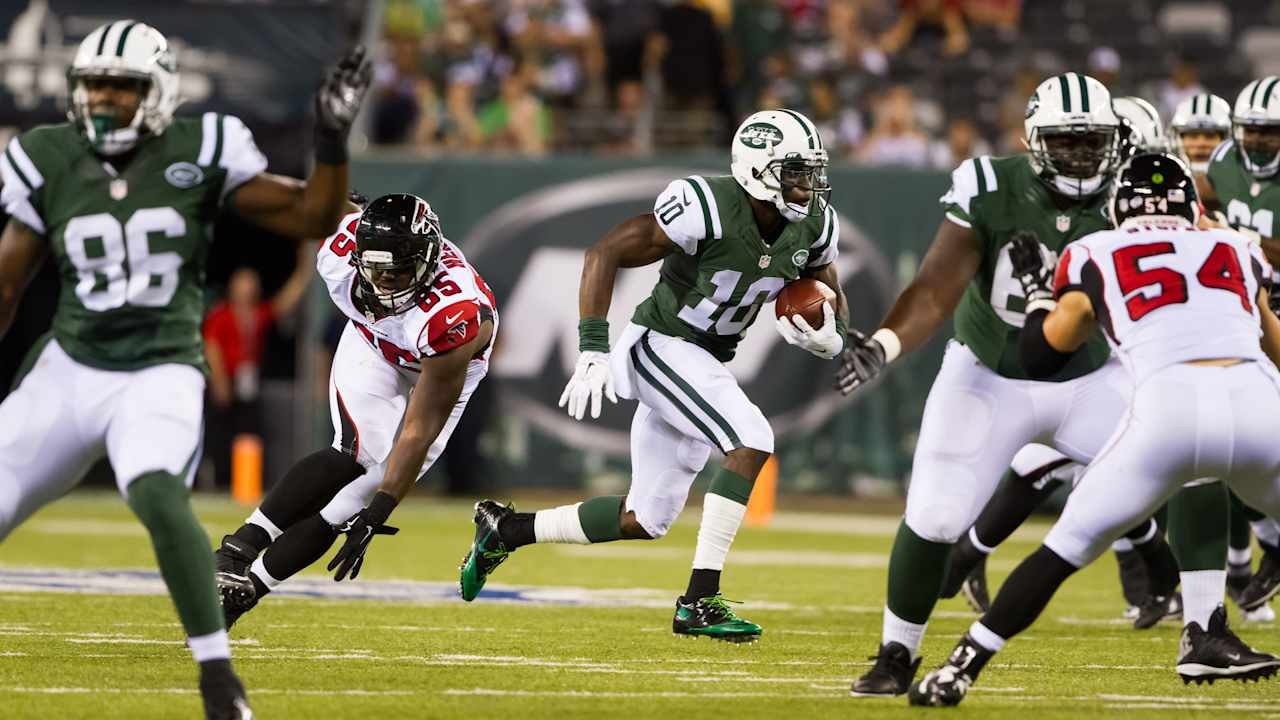
TJ Graham’s pro football story reads like a map of the AFC East itself, with stopovers in two neighboring locker rooms. In a new “Where Are They Now” look, the New York Jets revisit the journey of the former N.C. State player, who was drafted by Buffalo in 2012. The account centers on what happened after he left college, when the league’s pace and roster churn made the next steps far less predictable than any draft-day storyline.
Graham’s early NFL timeline started with the Bills. He spent two seasons with Buffalo, and then returned again for the 2014 training camp, a stretch that reflects how tenuous the margin can be between earning a stable role and being pushed to the next opportunity. Training camp, for players in that phase, is often less about grand guarantees and more about proving that the small details translate when the speed and contact levels rise.
From there, the narrative turns to a move within the same division, as Graham later joined the Jets. In the Jets’ recap, the key theme is the difficulty of eventually becoming a long-term fixture in the AFC East. Even with talent and effort, the reality is that teams in the same division can change their needs quickly, and competition at the receiver position can be shaped by coaching priorities, scheme fit, and the constant arrival of new players. Graham’s experience illustrates how the learning curve does not end after the draft.
The Jets’ feature frames his professional development as a discovery process. Graham learned that the NFL is not a straight line from college production to reliable playing time. Instead, it is a cycle of auditions, depth-chart battles, and coaching evaluation, with each camp and each offseason carrying its own set of questions. For a player, the work has to be consistent, but the opportunities can remain inconsistent.
Graham’s connection to both Buffalo and New York matters in part because the AFC East offers a unique form of continuity and familiarity. Divisional rivals play each other often enough that teams scout their matchups in detail, and players who move between teams must adjust quickly to new play-calls and new expectations from teammates and coaches who have already seen what the league demands. The same boundary lines that define rivalry also define how quickly a player can be judged.
For fans following roster-building logic, Graham’s story is a reminder of what “making it” can really mean. It is not only about getting drafted, or even about surviving the first set of cuts. It is about sustaining performance across multiple evaluations, including training camp environments where coaches look for readiness that shows up the minute practice becomes more physical and decisions become faster.
As the Jets continue to tell “Where Are They Now” stories, Graham’s case stands out as a two-division arc that underscores how NFL careers can turn on timing and opportunity as much as on skill. The next time the Jets face the Bills, the reminder is not just the rivalry, but the churn that drives careers like Graham’s, where each roster stop is both a chapter and a test.
Why It Matters
- Graham’s path reflects how quickly NFL careers can pivot after the draft, even within the same division.
- Time in training camp underscores that roster roles often require repeated evaluation, not one-time entry.
- A player moving between AFC East teams highlights how divisional familiarity does not eliminate scheme and competition challenges.
- Stories like this help explain why receiver depth charts can change rapidly and why continuity is hard to maintain.
Key Facts
- TJ Graham played college football at N.C. State before entering the NFL.
- He was drafted by the Buffalo Bills in 2012.
- Graham spent two seasons with Buffalo.
- He also was part of Buffalo’s 2014 training camp.
- He later joined the New York Jets, continuing his career within the AFC East.