
THE APEX TIMES
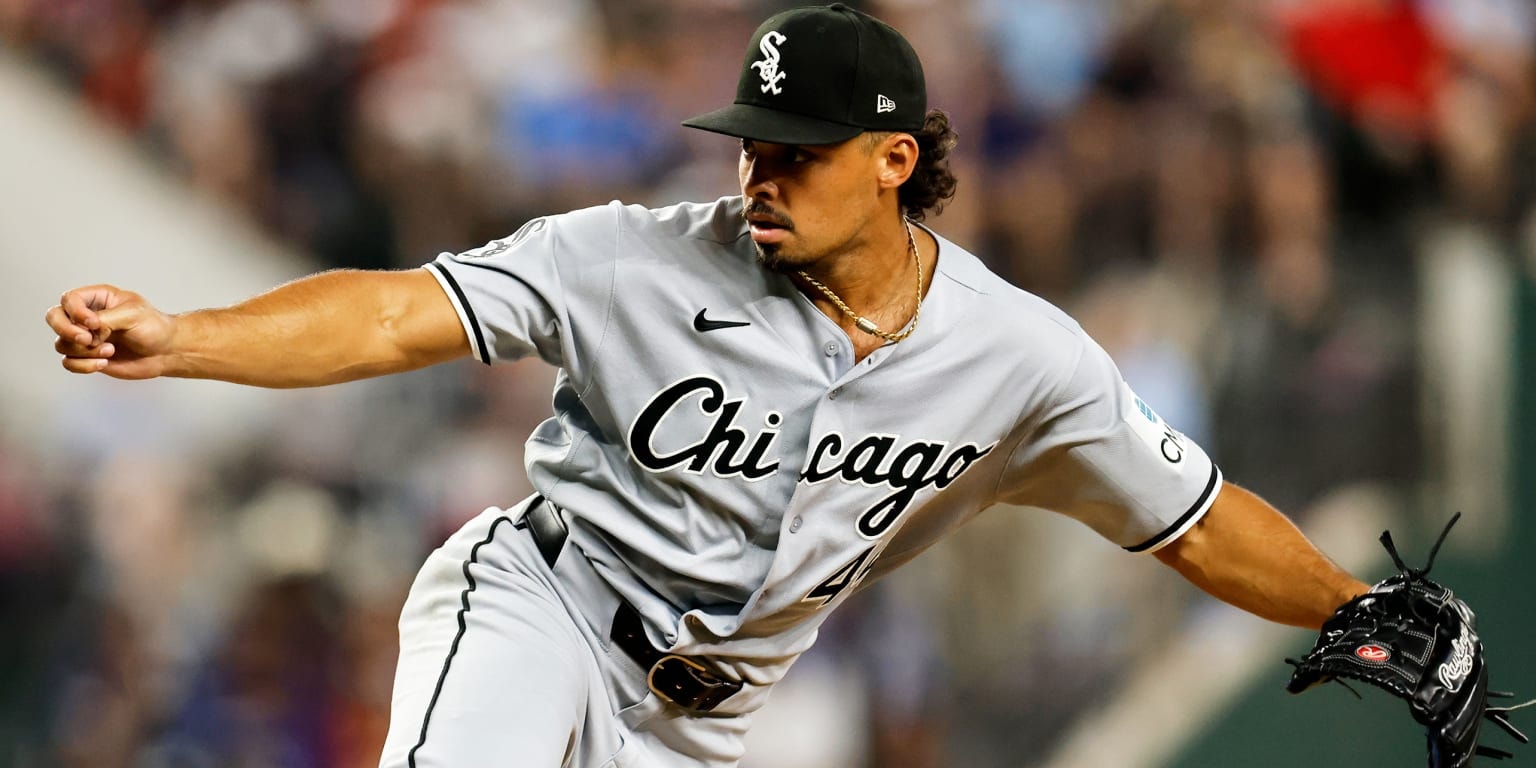
White Sox look to Jordan Hicks’ midseason reinvention as late-inning weapon
A recent MLB team feature points to relief pitchers with the steepest strikeout-rate jumps over the past seven weeks, including Seattle’s Andrés Muñoz and Oakland’s Mason Miller, and frames Chicago’s Jordan Hicks as a potential “reinvention” success story in the bullpen.
Midseason reinvention is often a phrase reserved for spring training plans that arrive a little late. In Chicago, it is being treated like a real-time bullpen strategy, with an MLB feature tying the White Sox’ relief corps to a broader league trend: over the last seven weeks, some relievers have produced strikeout rates that stand out even by late-inning standards. The story’s trivia prompt leads with the names that have surfaced at the top of that seven-week strikeout-rate leaderboard, including Mason Miller at 42.9 percent and Andrés Muñoz at 46.7 percent.
From there, the focus shifts to whether the White Sox have identified their own bullpen “ace reliever” answer through adjustment rather than replacement. The MLB piece characterizes Jordan Hicks as a pitcher whose second-half plan has looked different enough to matter, suggesting the White Sox’ bullpen can be more than a collection of arms if Hicks’ form keeps translating into strikeouts and outs in leverage spots.
Strikeouts do not automatically translate to wins, but in October-style roster construction they often function as a proxy for command and swing-and-miss efficiency. That is the context embedded in the seven-week comparison the feature uses. By looking at a defined recent window, MLB is essentially asking a simple question: who is not just throwing hard, but also missing more bats when the innings tighten up.
For Chicago, the importance of this kind of bullpen production is straightforward. A team does not need every reliever to behave like a closer to change outcomes. What it needs is at least one or two relief options that opponents respect, because that respect shapes the manager’s leverage choices and the hitters’ aggressiveness. When a pitcher like Hicks is framed as reinvention-driven, the implied goal is consistency in the moments that decide games, not just flashes of velocity.
The featured seven-week snapshot also matters because it sets a bar for what to watch next. Even standout strikeout rates can drift if hitters adapt, if pitch usage changes, or if an adjustment runs its course. In the case of the White Sox, the relevant follow-through is whether Hicks sustains the effectiveness MLB points to as part of his midseason reset, and whether the bullpen around him can capitalize on that stability late in games.
At the league level, the same list that puts Miller and Muñoz near the top also underscores how competitive bullpen strikeout profiles can be in a short span. Muñoz’s inclusion at 46.7 percent is a reminder that other teams are also extracting late-inning strikeouts at an elite pace. That does not diminish Chicago’s potential to benefit from Hicks, but it does set the standard for what “another ace reliever” would need to look like over a longer stretch.
In the coming weeks, the simplest way to judge the Hicks reinvention story will be to see whether Chicago’s late innings feature him in the highest-leverage spots with confidence, and whether his strikeout and outcome profile continues to match the pitch-and-results pattern described by MLB’s bullpen-focused framing.
Why It Matters
- If Hicks’ reinvention continues to produce swings and misses at a high level, it gives the White Sox a more reliable leverage option.
- Bullpen strikeout production tends to be especially valuable late in the season when roster roles narrow and managers rely on high-leverage outs.
- The comparison to other elite strikeout relievers (Miller and Muñoz) provides a measurable standard for how impactful a bullpen ace has to be over time.
- Sustained late-inning effectiveness can help shape how Chicago manages innings, matchup planning, and postseason roster usage if they contend.
Key Facts
- MLB’s feature frames a seven-week window of relief pitcher performance using strikeout rate as the centerpiece.
- The seven-week strikeout-rate leaders named in the piece include Oakland’s Mason Miller at 42.9 percent and Seattle’s Andrés Muñoz at 46.7 percent.
- The same MLB feature connects Chicago’s Jordan Hicks to the concept of a midseason reinvention as a bullpen impact story.
- The White Sox’ bullpen context is positioned around whether Hicks can function as an “ace reliever” type through the late-inning importance of strikeouts.